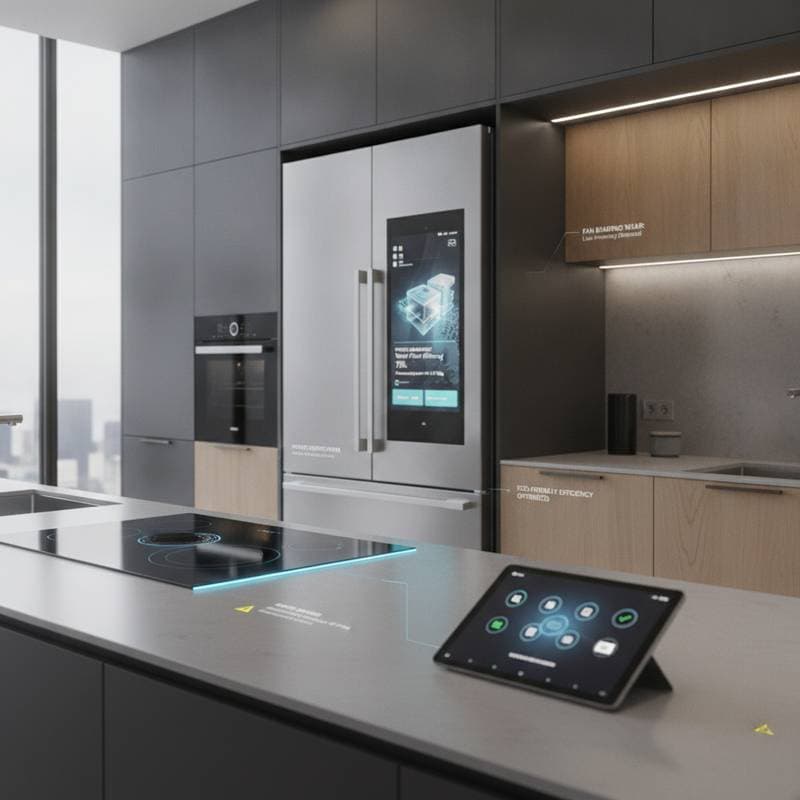
Robot Vacuums Now Talk to Your Smart Oven
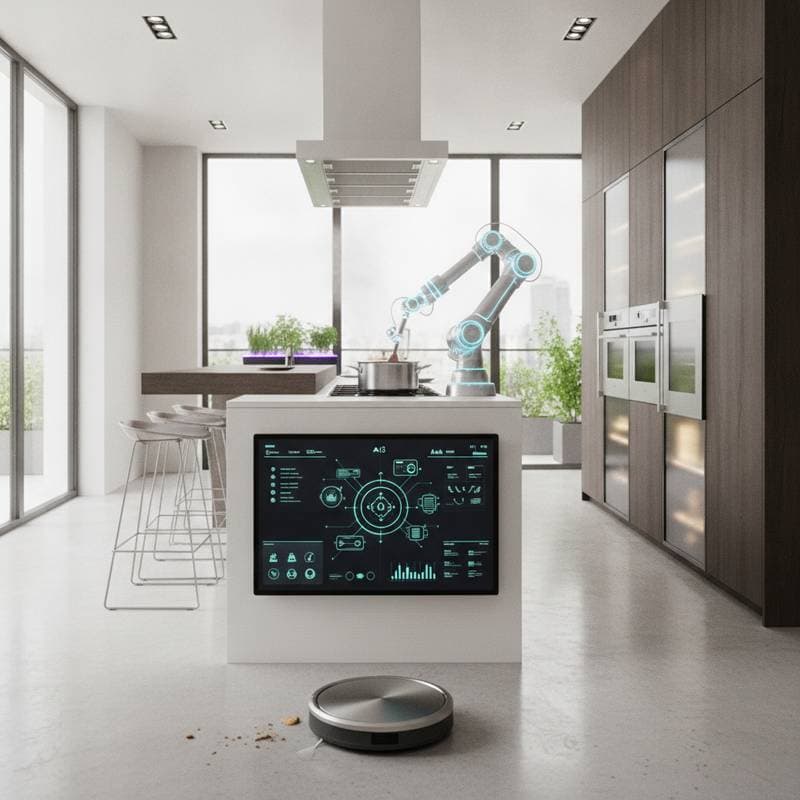
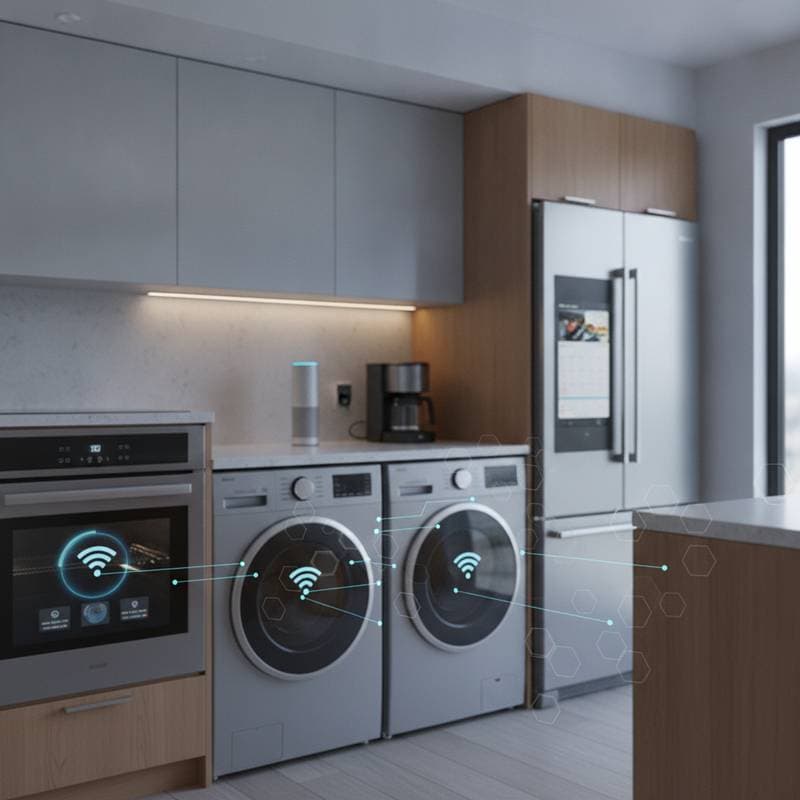
Robot vacuums and AI cooking systems now share data to coordinate cleaning and meal preparation, creating kitchens that handle tasks on a single schedule.
Loading...

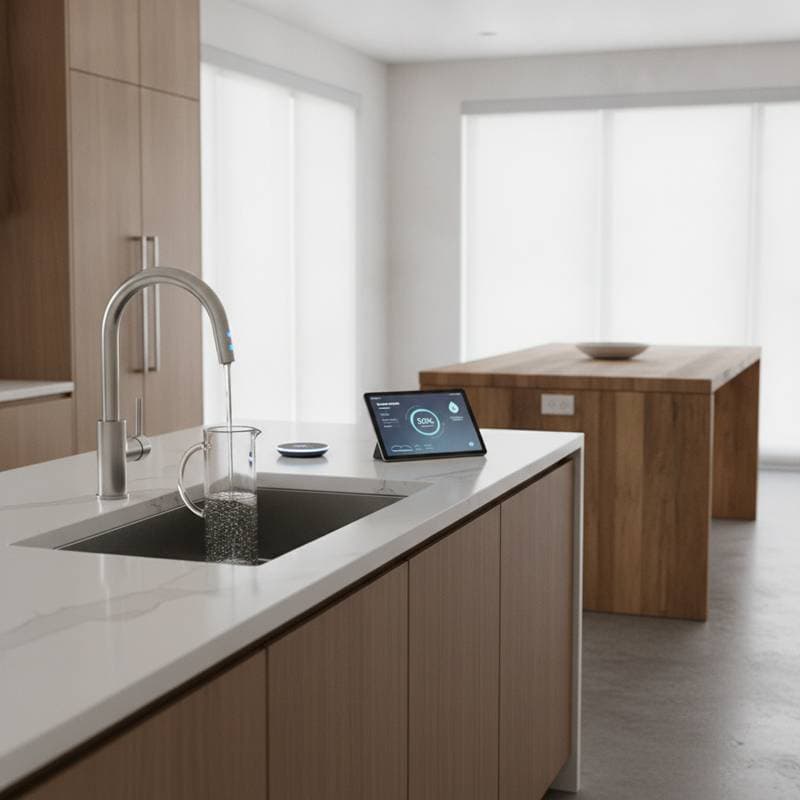
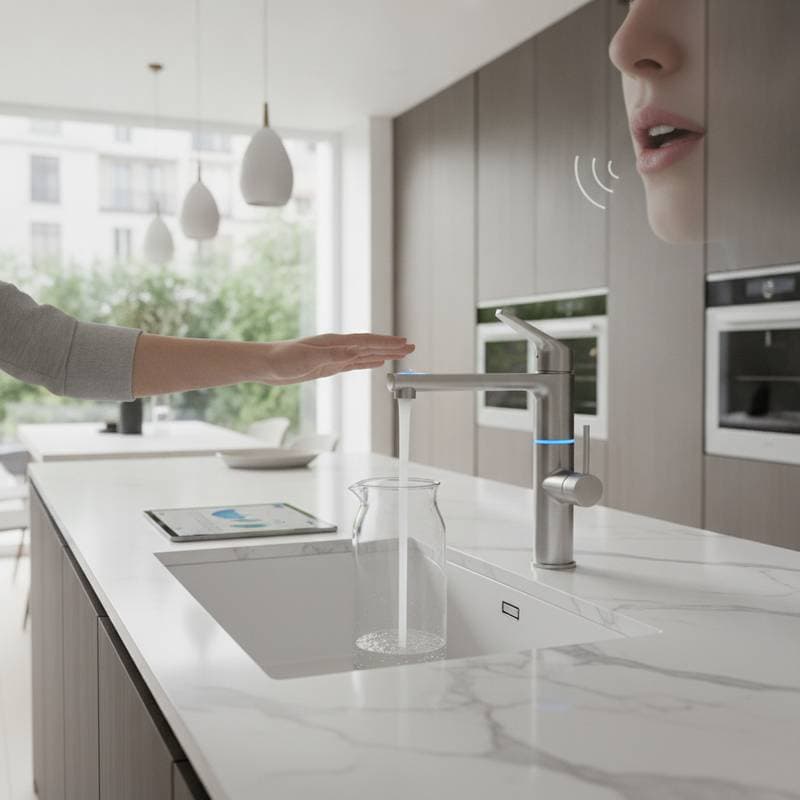
Touchless faucets use motion sensors to cut kitchen water waste by up to 50 percent. They combine hygiene, convenience, and smart features that support daily routines and long term sustainability.
Robot vacuums and AI cooking systems now share data to coordinate cleaning and meal preparation, creating kitchens that handle tasks on a single schedule.
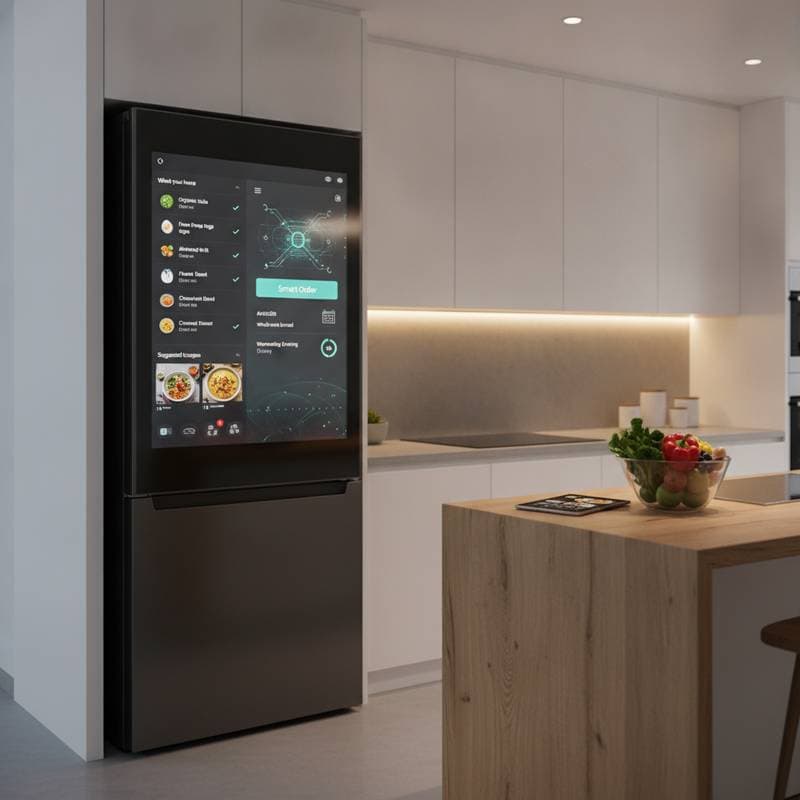
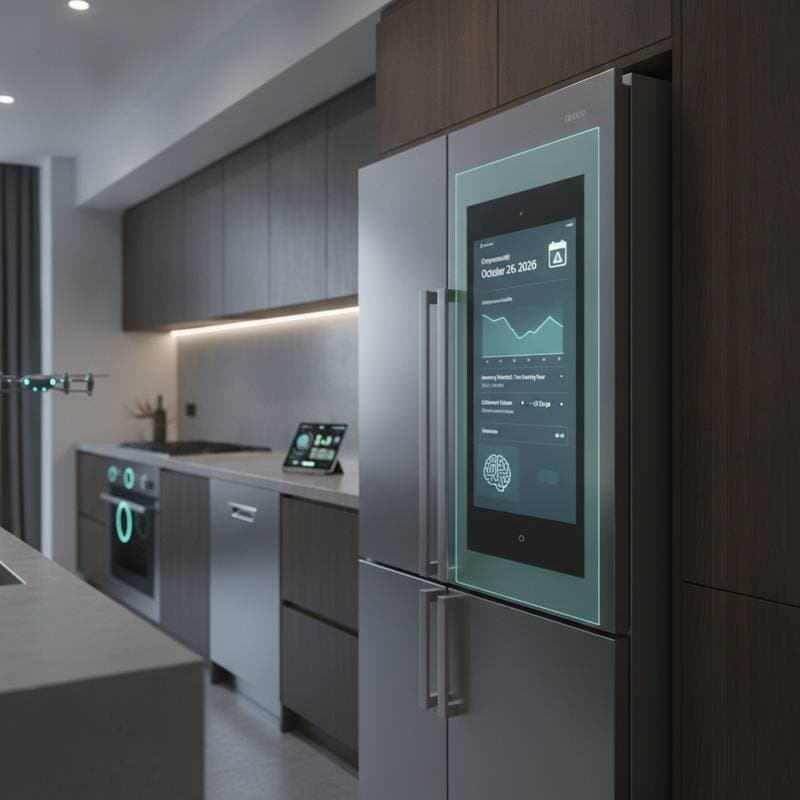
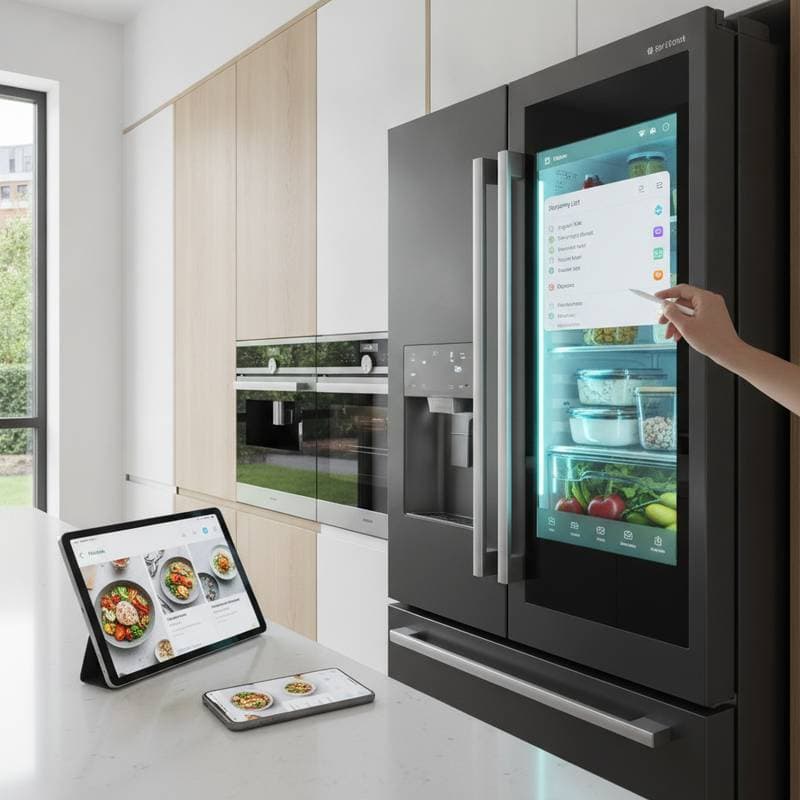
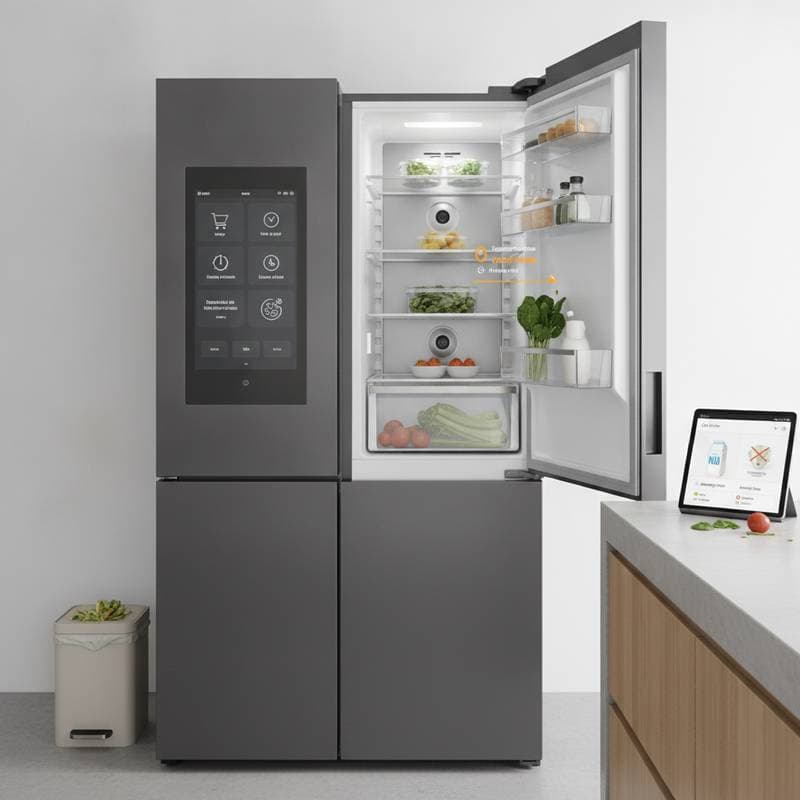
AI-powered smart fridges are transforming kitchens into predictive hubs that track inventory, suggest recipes, and automatically order groceries. By learning user habits and reducing waste, these appliances simplify meal planning and save money. With growing integration and privacy safeguards, the fridge is evolving into the intelligent core of connected homes.
Gesture control turns kitchens into touchless environments. Motion sensors replace buttons on faucets, ovens, and lights. The systems improve hygiene, support accessibility needs, and reduce energy use through automatic responses.
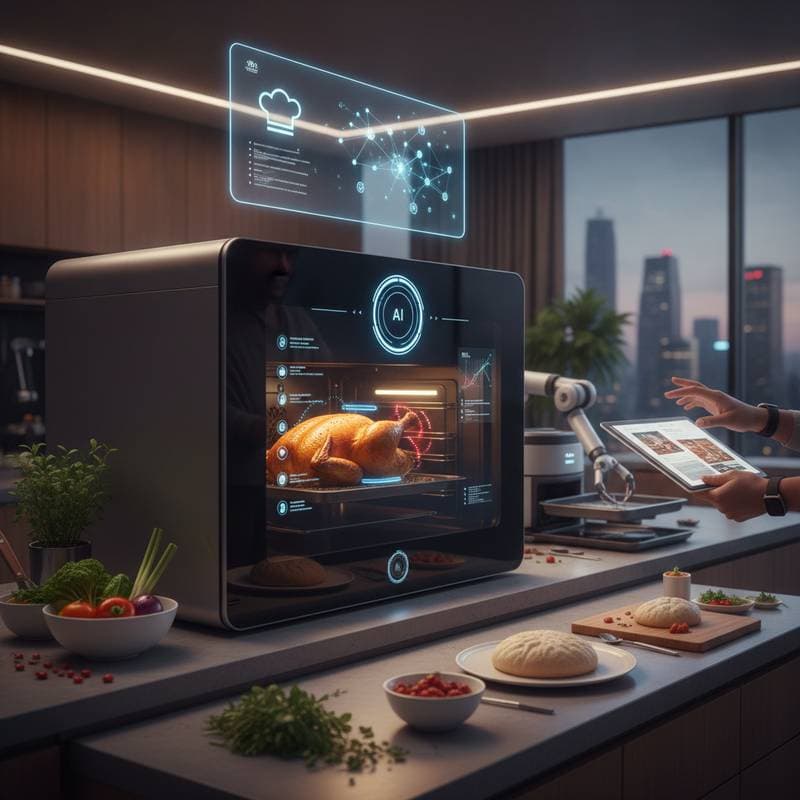
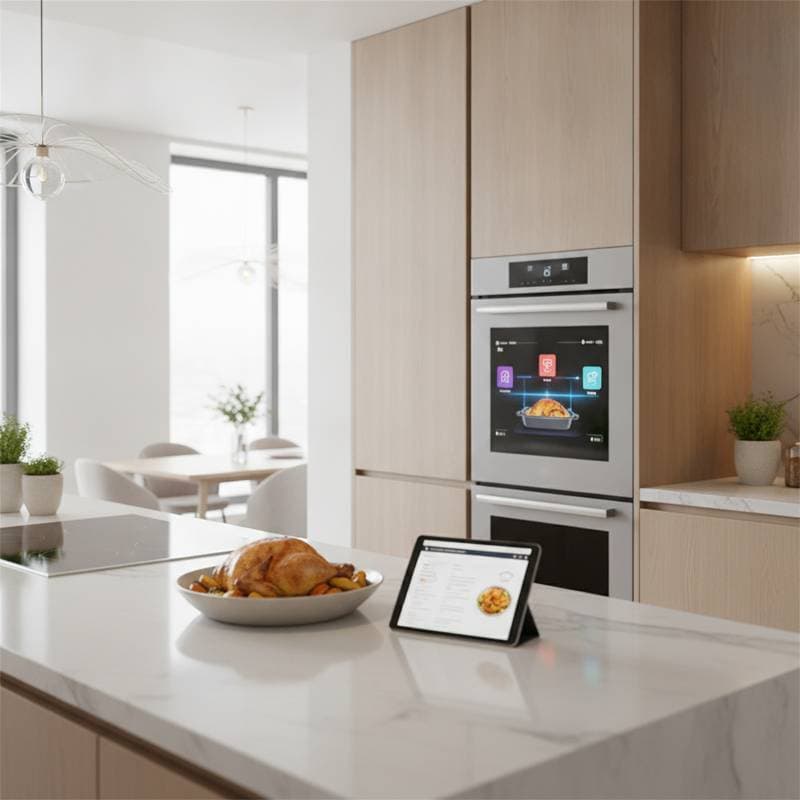
Smart ovens use sensors, cameras, and machine learning to identify food, track preferences, and automate precise cooking. These appliances reduce manual effort while improving consistency and energy efficiency in daily meal preparation.
Predictive maintenance in smart appliances now identifies potential failures up to three months before they occur through continuous sensor monitoring and cloud analysis.
Smart refrigerators monitor contents, integrate with recipes, and reorder essentials through connected services. Models range from basic inventory apps to full command centers that reduce waste and simplify planning.
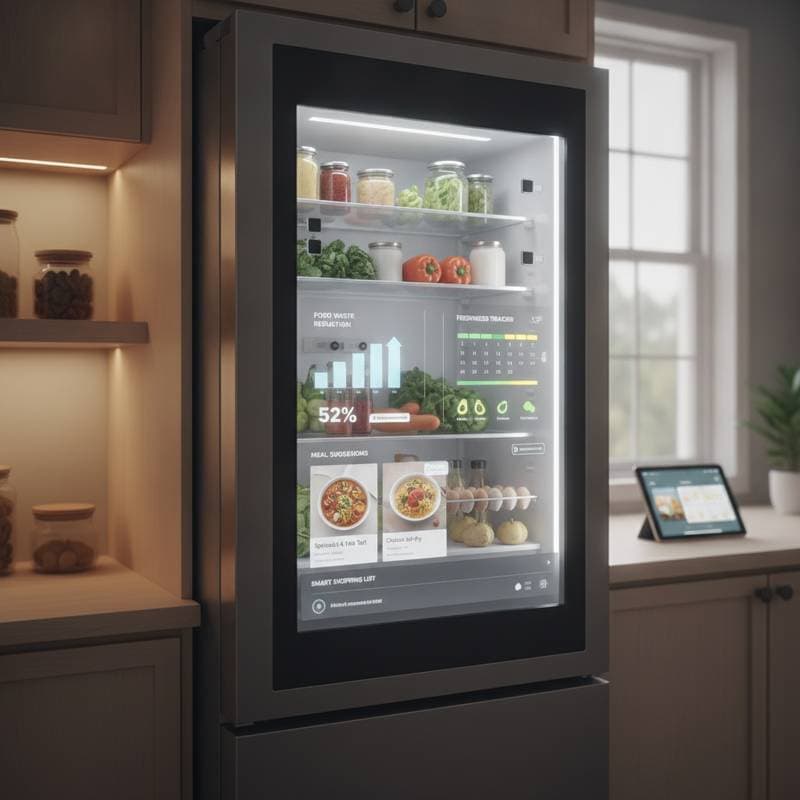
AI-powered smart refrigerators cut food waste by half through real-time inventory tracking, predictive freshness alerts, and recipe suggestions that help households shop smarter and cook more efficiently.
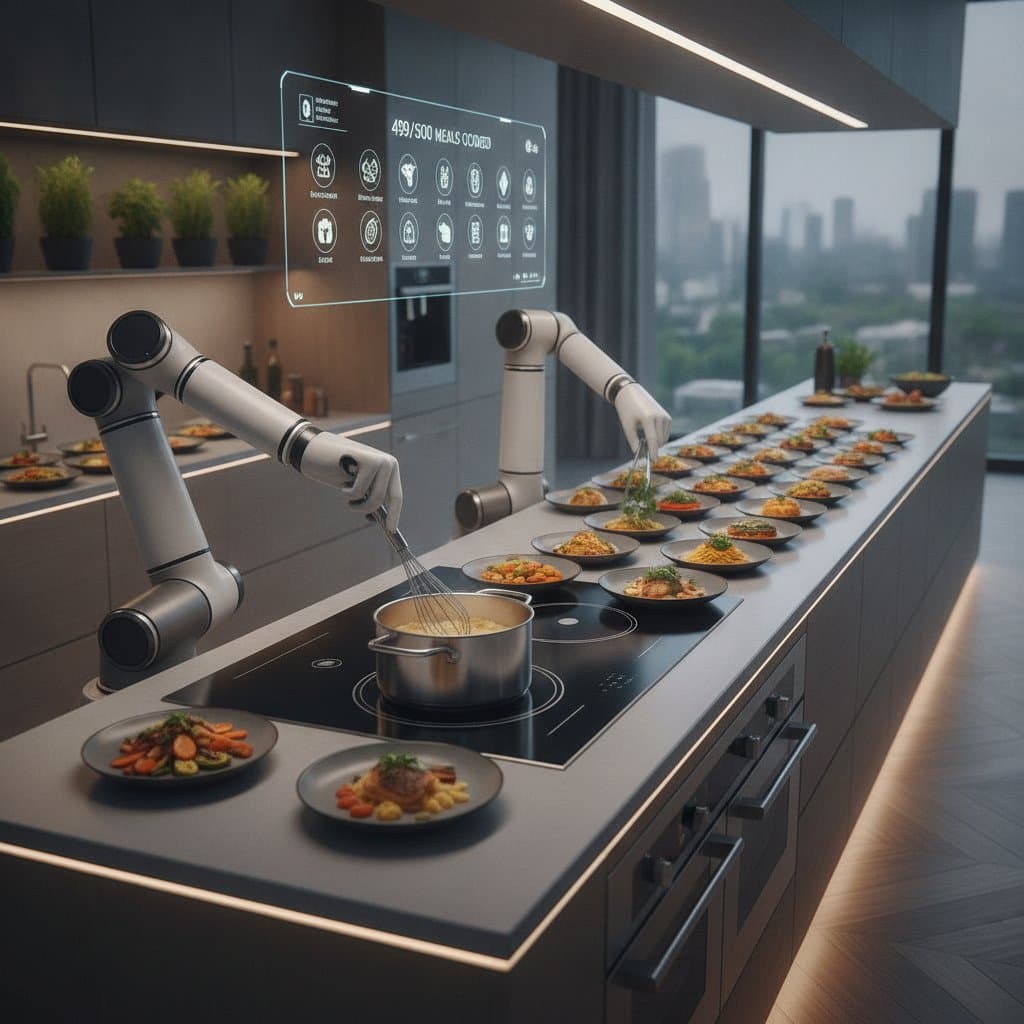
Robot chef arms use AI and sensors to prepare hundreds of recipes from scratch, handling chopping, stirring, and plating while connecting to smart home devices for streamlined meal routines.
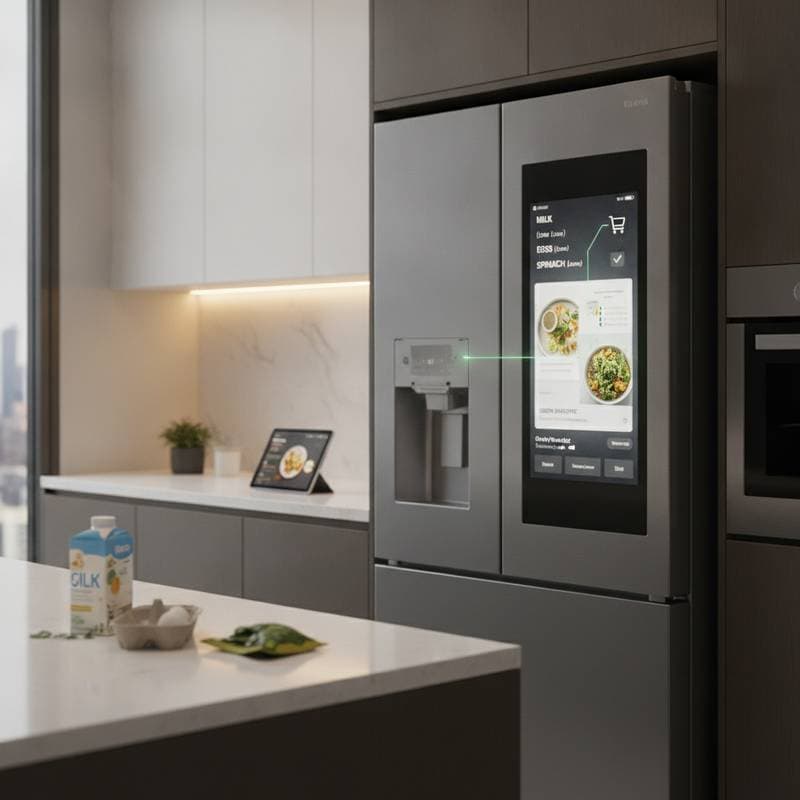
AI-powered meal prep turns smart fridges into proactive kitchen assistants that sync real-time inventory with grocery lists and meal plans. The technology predicts needs, suggests recipes, and automates restocks to save time, reduce waste, and support healthier eating.
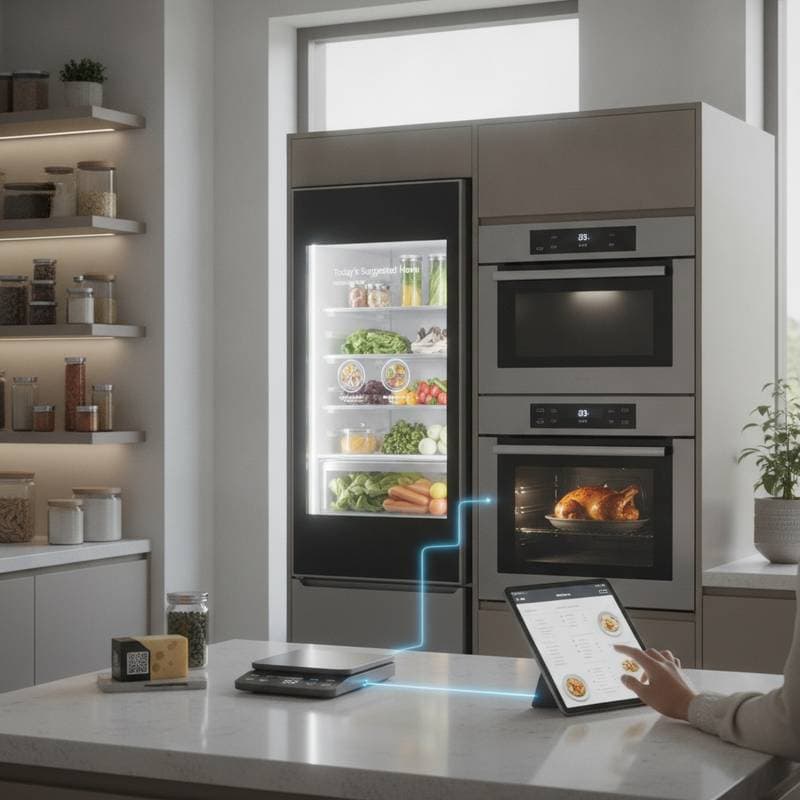
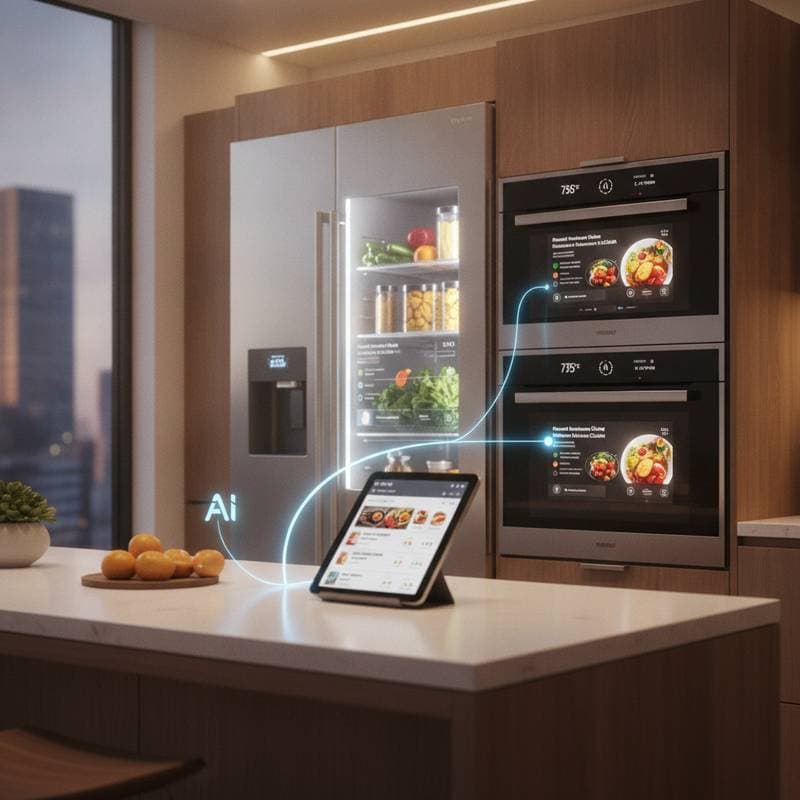
AI meal planning now joins refrigerators and ovens into one responsive system. It tracks ingredients, suggests recipes, and manages cooking settings to reduce effort and waste while supporting personal nutrition goals.
AI-powered kitchen appliances are transforming meal prep from chore to convenience. Smart ovens, cookers, and fridges now learn habits, suggest recipes, and automate cooking steps. From reducing waste to syncing with health goals, these connected devices promise faster, smarter, and more personalized dining, bringing futuristic efficiency to everyday kitchens.
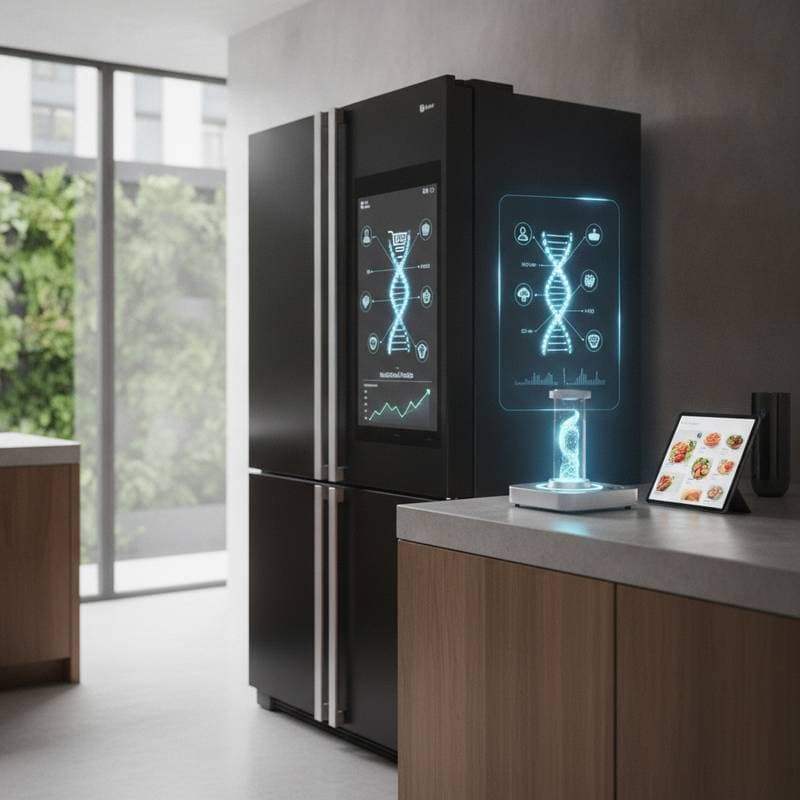
A DNA-aware smart fridge redefines personalized nutrition by using genetic data and AI to order groceries that match your body specific requirements. This integration of health insights with smart home technology turns everyday eating into a proactive, data-driven process.
Smart homes are shedding bulky hubs for seamless, direct device connections. Hubless smart appliances simplify setup, boost reliability, and enhance interoperability across brands. From faster response times to lower costs, this shift delivers effortless automation and a more connected living experience.
Smart ovens redefine home cooking by reading online recipes, adjusting settings automatically, and delivering chef-level precision. From budget models to premium options, these appliances simplify meal prep while saving energy and learning user preferences.
Touchless smart faucets bring motion or voice activation to kitchen sinks. They improve hygiene, limit water waste, and integrate with voice assistants for precise daily tasks.
Robot chefs automate meal preparation with precision sensors and adaptive software. They handle tasks from chopping to plating while fitting into smart home setups and reducing daily effort.
AI meal planning now links refrigerators, ovens, and recipe systems into one workflow. Inventory tracking, automated preheating, and adaptive cooking reduce waste while supporting personalized nutrition goals.
AI refrigerators monitor contents in real time, suggest recipes, and place grocery orders automatically. These appliances reduce waste, improve energy use, and simplify kitchen management for modern households.
AI powered refrigerators track inventory, predict usage patterns, and extend freshness to cut household food waste substantially. These appliances help users save money and maintain organized kitchens through automated monitoring and practical suggestions.