Appliances That Warn You Before They Break Down
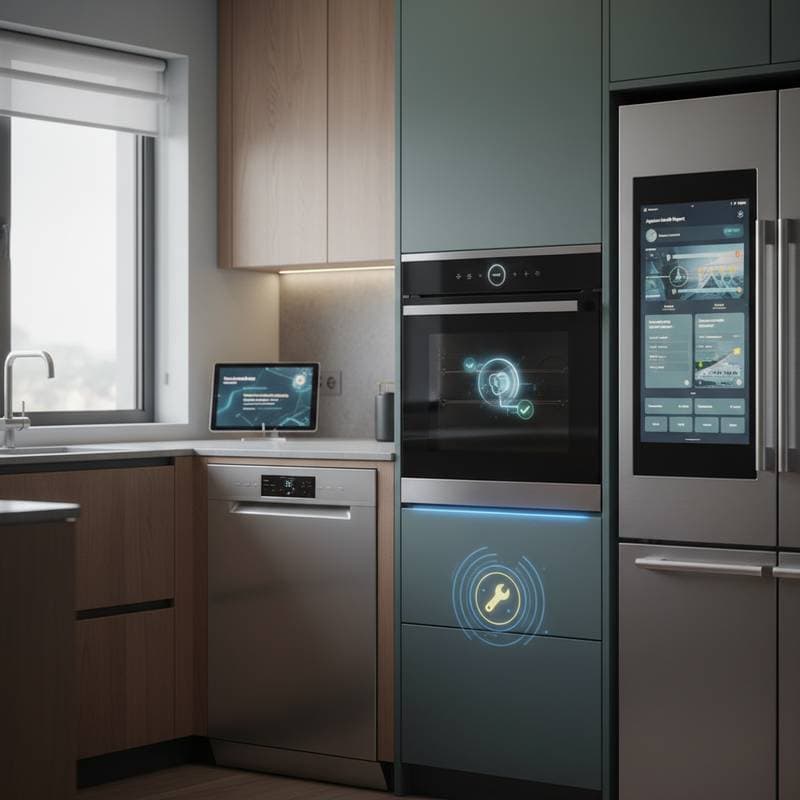
Self-diagnosing appliances represent a significant advancement in home maintenance. These devices employ sensors, connectivity, and predictive algorithms to identify potential issues before they lead to breakdowns. By alerting users early, they extend the lifespan of appliances, enhance efficiency, and provide substantial convenience in the modern connected kitchen.
From affordable dishwashers to high-end ovens, these intelligent systems integrate seamlessly into daily life. They not only prevent unexpected failures but also promote sustainability through optimized performance. Homeowners gain peace of mind knowing that their appliances monitor themselves proactively.
How Self-Diagnosing Appliances Work
Self-diagnosing appliances rely on a series of integrated technologies to maintain optimal operation. The process begins with continuous monitoring, followed by analysis, alerting, and resolution support.
1. Continuous Monitoring with Sensors: Built-in sensors track key performance metrics such as temperature, vibration, water flow, and energy consumption. These sensors operate silently in the background, collecting data on every cycle or usage period. This real-time information forms the foundation for detecting deviations from normal operation.
2. Data Analysis and Predictive Algorithms: The collected data feeds into onboard processors or cloud-based systems that apply machine learning algorithms. These algorithms compare current patterns against historical baselines to forecast potential failures. For instance, unusual motor vibrations might signal impending wear on bearings, allowing the system to flag the issue days or weeks in advance.
3. User Notifications and Alerts: Once an anomaly appears, the appliance sends customized notifications via a companion mobile app, email, or integrated smart home hub. Alerts include clear descriptions of the problem, severity levels, and estimated timelines for escalation. Users receive these updates without interrupting appliance function.
4. Guided Fix or Service Connection: Notifications often provide step-by-step instructions for simple resolutions, such as clearing a filter or adjusting settings. For more complex issues, the system connects directly with service providers to schedule repairs. Some models enable remote diagnostics, where technicians access data to prepare solutions before arriving onsite.
Advanced appliances refine their predictive capabilities through machine learning. As usage data accumulates, the system adapts to specific household patterns, improving the accuracy of future alerts.
Insider Tip
High-end brands frequently perform remote diagnostics without user prompts. Technicians access this information during support calls, which accelerates troubleshooting and facilitates quicker warranty processing. This feature operates discreetly to ensure seamless service.
Real Appliances Leading the Way
Current market offerings demonstrate the accessibility of predictive maintenance across various budgets. These examples highlight practical integrations and benefits.
Budget Option: Whirlpool WDT750SAKZ Dishwasher (approximately $750). This model features app-based diagnostics that detect sensor malfunctions or drainage problems early. Users receive notifications to prevent minor issues from causing full stoppages, making it an effective introduction to smart maintenance.
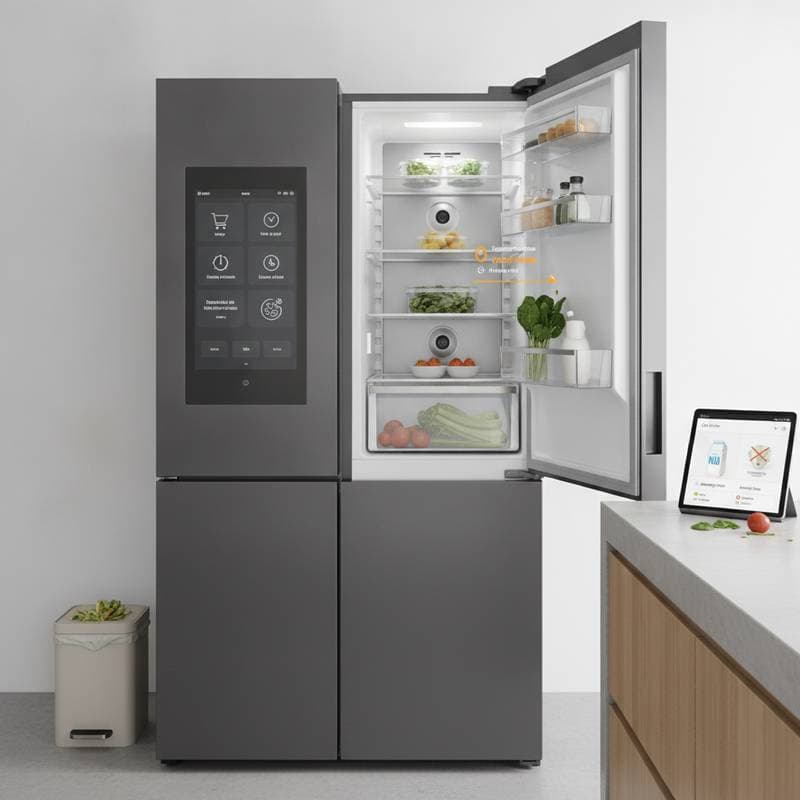
Mid-Range Choice: LG Smart InstaView Refrigerator (approximately $1,900). It monitors door seals, defrost cycles, and overall performance through the LG ThinQ app. The system identifies inefficiencies and offers guidance for adjustments, such as repositioning seals to maintain cooling efficiency.
Premium Selection: Samsung Bespoke Smart Oven with SmartThings (approximately $3,000). Beyond self-diagnosis, it integrates with SmartThings for recipe suggestions and cloud-based logging. Technicians review performance data remotely, minimizing onsite visits and downtime.
These appliances extend compatibility to voice assistants like Alexa and Google Home. Integration allows centralized alert management within a smart home ecosystem.
Upgrade Path Considerations
Owners of existing connected appliances should verify firmware updates for added diagnostic functions. Manufacturers often deploy these enhancements free of charge to compatible models. For legacy devices, consider smart plugs such as the TP-Link Kasa Smart Plug HS300 (approximately $25). These monitor energy patterns and alert users to irregularities, providing entry-level predictive insights.
Practical Considerations Before You Buy
Selecting self-diagnosing appliances requires attention to several factors for long-term satisfaction.
Budget Planning: Initial purchases cost 10 to 20 percent more than traditional models. However, reduced repair frequency and energy savings offset this premium over time.
Network Reliability: Strong Wi-Fi ensures timely alerts and remote access. In areas with spotty coverage, a mesh network system maintains consistent connectivity throughout the home.
Data Privacy: Usage data collection raises concerns for some users. Examine the manufacturer's privacy policy; leading brands typically anonymize diagnostic information to protect personal details.
Professional Installation: Engage certified technicians for units involving plumbing or wiring. Proper setup preserves warranty coverage and activates all smart features safely.
Maintenance Timeline: Predictive systems schedule routine tasks like filter replacements or vent cleaning. Follow these prompts to maximize appliance longevity.
The Bigger Picture: Efficiency and Sustainability
Beyond convenience, self-diagnosing appliances drive environmental benefits. Efficient operation conserves water and electricity, while early interventions reduce the need for complete replacements. This approach minimizes landfill waste and supports resource conservation.
Predictive features enable dynamic energy management. A refrigerator, for example, might postpone defrosting to align with lower-demand periods on the electrical grid. Aggregated data from multiple units helps manufacturers develop durable components, lowering overall industry waste.
Common Questions About Self-Diagnosing Appliances
1. Do these appliances function without internet access? Basic operations continue offline, but alerts and diagnostics depend on connectivity.
2. Can users address issues independently after receiving alerts? Many include troubleshooting guides for simple tasks, such as sensor resets. Professionals handle electrical or sealed-system repairs to ensure safety.
3. What occurs if alerts go unaddressed? The appliance operates until the problem intensifies, potentially leading to inefficiency or failure.
4. Are software updates automatic? Brands deliver them via apps; regular checks maintain diagnostic precision.
5. Does predictive maintenance extend beyond kitchen appliances? Similar technologies appear in laundry machines and HVAC units, with kitchens serving as primary innovation hubs.
6. Are repairs costly when smart systems fail? Modular sensors simplify replacements, often at lower expense than mechanical overhauls.
7. How accurate are the diagnostic predictions? Precision increases with accumulated data, transitioning from broad alerts to tailored insights.
Steps to Integrate Predictive Appliances into Your Home
Begin by assessing current appliances for smart compatibility. Update firmware where possible, then select new models based on usage needs and budget. Set up app integrations promptly to activate monitoring. Regular reviews of alerts ensure proactive maintenance, yielding lasting efficiency and reliability.