Robot Chefs Transform Home Kitchens into Restaurants
Smart homes already manage lighting, cleaning, and security with ease. The kitchen now undergoes a similar evolution. Robot chefs integrate automation, precision, and culinary innovation to create a fluid experience. This technology shifts from futuristic idea to practical enhancement, delivering professional results alongside daily simplicity.
Envision returning home to the scent of perfectly prepared risotto, executed by a robotic arm that adheres to every detail without error. Such systems complement human cooking rather than supplant it. They save time, minimize waste, and elevate routine dinners to sophisticated levels.
1. Autonomous Cooking Systems
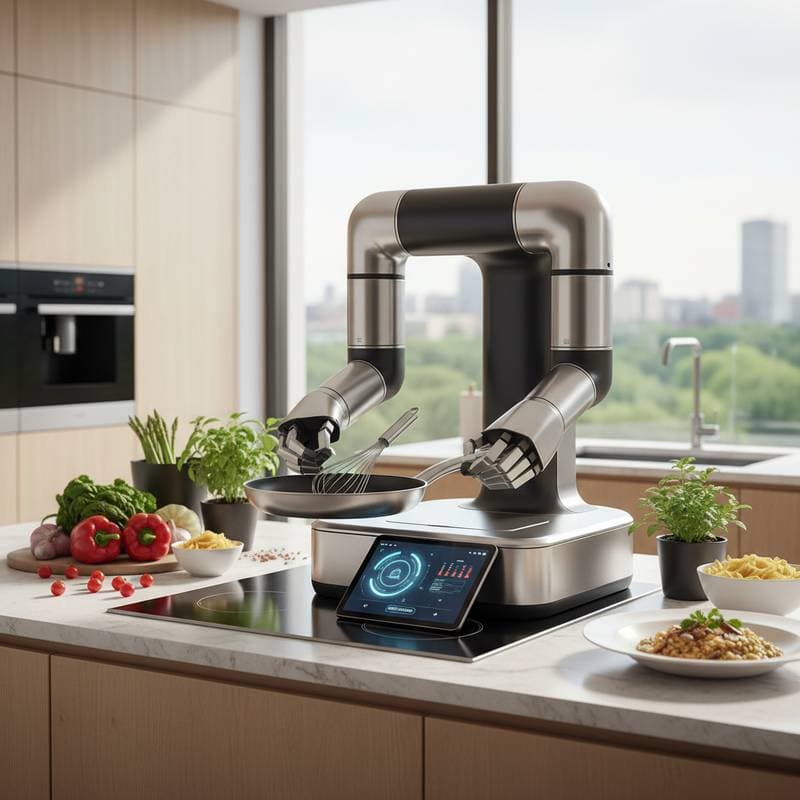
Fully autonomous systems represent the forefront of robotic cooking. These platforms plan, prepare, and present entire meals using exact mechanical actions and advanced sensors that replicate human techniques.
Time constraints challenge many families in achieving balanced nutrition. A robot that handles sautéing, stirring, and seasoning allows individuals to unwind or complete other tasks. This shift introduces significant improvements to everyday routines.
Moley Robotics offers a prime example with its kitchen robot equipped with articulated arms that mirror human movements precisely. The device follows digital recipes, performs cleanup, and recommends dishes based on pantry contents. Users experience the support of a dedicated chef more than a mere appliance.
2. Precision Temperature Control
Cooking involves precise chemical reactions, where accuracy separates ideal outcomes from failures. Robot chefs surpass traditional methods through sensors and algorithms that eliminate estimation.
Consistency proves challenging in home settings. Automated systems sustain specific temperatures and durations for various components, guaranteeing uniform results on each occasion.
Integrated smart induction cooktops with robotic oversight track heat at fine intervals. They make real-time adjustments to produce elements like a butter-seared finish or a perfectly poached egg. Households seeking quality and simplicity find this approach transforms dependability.
3. Recipe Intelligence and Personalization
Beyond mechanics, robot chefs function as adaptive learners that tailor to user preferences. Vast recipe databases and input from users enable refinements in flavor, consistency, and visual appeal.
Food evokes strong emotions, making personalization essential. A system that recalls preferred spice levels in curries or crispness in pizza crusts infuses automation with warmth.
Samsung's Bespoke Kitchen suite and comparable platforms generate recipe ideas aligned with health objectives or stock on hand. Future developments will anticipate timing and emotional states, harmonizing with daily rhythms.
4. Smart Ingredient Management
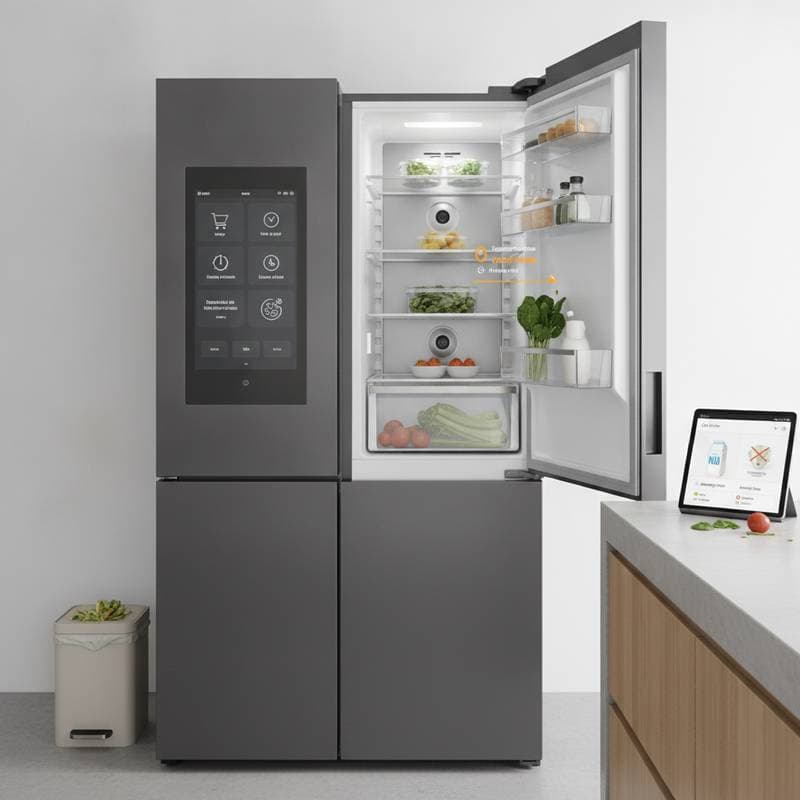
Practical innovation in robot chefs includes monitoring of supplies. Cameras, weight detectors, and barcode scanners enable real-time inventory assessment in pantries and refrigerators.
This feature yields dual advantages: decreased waste and informed purchasing. Awareness of exact contents permits recipe modifications or alerts for replenishment.
Consider a kitchen proposing a vegetable stir-fry upon detecting produce at peak freshness. Such prompts conserve resources, cut expenses, and promote consumption of optimal ingredients. LG and Panasonic advance this through refrigerators that communicate seamlessly with cooking units for integrated management.
5. Multi-Cuisine Mastery
Robot chefs extend capabilities to varied global traditions. They master intricacies from sushi assembly to pasta formation, capturing authentic styles.
This expansion broadens access to elite culinary arts. Specialized knowledge or costly outings become unnecessary for exceptional dishes.
Devices like Picnic and Piestro robotic pizza makers deliver artisan pies with flawless uniformity. Emerging tools address stir-fries, ramen, and dessert arrangements, extending professional diversity to domestic spaces.
6. Touchless Hygiene and Safety
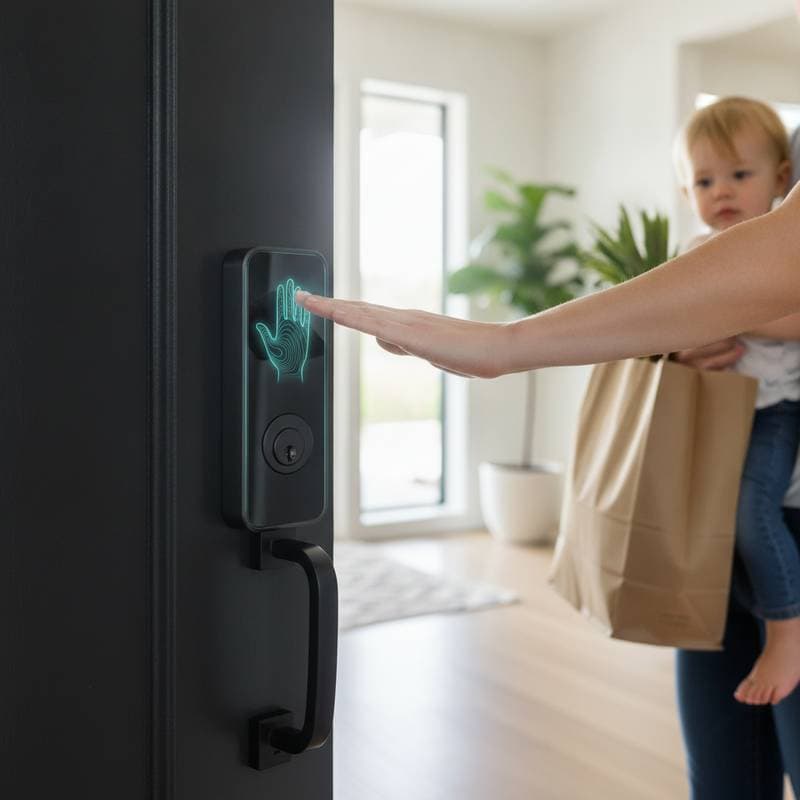
Hygiene remains vital in food preparation, and automation strengthens it. Robot chefs minimize direct handling, lowering contamination chances, while systematically sanitizing tools and areas.
Safety and reassurance benefit from these measures. Integration with intelligent dishwashers and UV treatments maintains sterility across elements.
Sensors identify spills or smoke, halting processes to avert hazards. Embedded protocols manage heat and movement securely, instilling trust for users, particularly in homes with young children or sensitivities.
7. Voice and App Integration
Unified interfaces define efficient kitchens. Robot chefs interface with voice assistants and applications, enabling remote initiation, oversight, or alterations to preparations.
This accessibility alters engagement with meal creation. Individuals preheat ovens or commence boiling water en route home, synchronizing arrival with readiness.
Alexa, Google Home, and dedicated apps serve as virtual aides. Verbal commands like initiating dinner streamline the process into a cohesive, linked routine.
8. Energy Efficiency and Sustainability
Automation extends to environmental responsibility via optimized operations. Robot chefs shorten cooking durations, prevent excess heating, and curb excess usage.
Sustainability appeals to those balancing comfort with eco-consciousness. Accurate regulation lowers energy consumption in electricity and gas, while portion control maximizes ingredient utilization.
Analysis of habits prompts sustainable selections, fostering lasting green practices. Future kitchens blend intelligence with awareness for tangible impact.
9. Collaborative Cooking Experiences
Robotic cooking unexpectedly fosters social bonds. Groups explore recipes with machine-guided accuracy, incorporating personal touches.
Technology enhances relationships rather than isolating them. Delegation of tasks like dicing or mixing preserves space for innovation and dialogue.
Picture assembling a multi-course dinner with companions, as the robot manages sequences while participants savor interactions. This blend sustains the pleasure of communal preparation minus typical strains.
10. The Rise of Subscription-Based Food Ecosystems
Robot chefs spur innovative commerce through subscriptions for portioned supplies or recipe collections compatible with devices.
Meal planning evolves accordingly. Selection from tailored options allows precise execution by the system, bypassing traditional sourcing.
Suvie and Brava merge devices with ongoing services, forming cycles of ease and inspiration. This model underscores technology's focus on integrated content and hardware.
Elevate Daily Meals with Robotic Precision
Robot chefs convert domestic spaces into bespoke dining venues. Automation, smarts, and aesthetics yield expert execution free from demands. These tools empower rather than displace culinary enthusiasts.
Professionals, caregivers, and flavor aficionados gain fresh opportunities. Routine duties diminish, outcomes standardize, and preparations gain purpose.
Widespread use will yield intuitive, responsive environments. Appliances communicate, adapt, and foresee requirements, rendering food handling intuitive. Gourmet home dining emerges as accessible to all.