Kitchen Robots Revolutionize Dishwasher Unloading
The Persistent Challenge of Post-Wash Cleanup
Dishwashers have long simplified the washing process, yet the task of unloading remains a tedious chore. Wet dishes must be handled carefully to avoid breakage, and sorting them into cabinets demands time and organization. Many households spend up to 30 minutes daily on this step, leading to frustration and inefficiency.
Recent advancements in home automation address this gap directly. Kitchen robots designed specifically for unloading dishwashers emerge as practical solutions, integrating seamlessly into modern kitchens. These devices promise to eliminate manual handling, allowing users to focus on more enjoyable activities.
How These Robots Operate
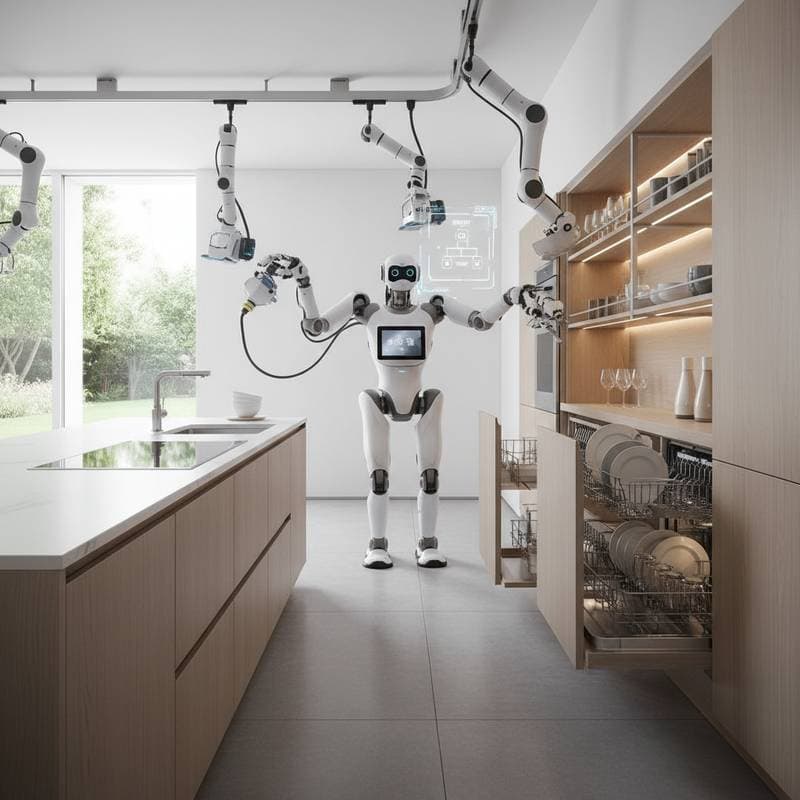
At the core of these kitchen robots lies advanced artificial intelligence combined with precise computer vision. Sensors scan the dishwasher interior to identify each item's type, cleanliness, and position. For instance, plates, glasses, and utensils receive unique classifications to ensure accurate handling.
Suction-based grippers or soft robotic arms then grasp the items gently. The technology mimics human dexterity while surpassing it in consistency and speed. Once removed, the robot sorts dishes based on user-defined preferences, such as placing everyday plates in lower cabinets and delicate glassware in upper ones.
Integration with smart home systems enhances functionality further. Users can schedule unloading cycles via voice commands or mobile apps, ensuring the kitchen stays tidy even during busy evenings. Safety features, including obstacle detection, prevent accidents around children or pets.
Available Models and Features
A range of models caters to different budgets and needs. Entry-level options, priced around $500, offer basic unloading and sorting for standard dishwashers. These compact units fit on countertops and handle up to 12 place settings per cycle.
Mid-tier models, starting at $1,000, incorporate faster processing speeds and customizable storage paths. They connect to voice assistants like Alexa for hands-free operation and include self-cleaning mechanisms to maintain hygiene.
Premium versions exceed $2,000 and provide full kitchen integration. Equipped with multiple arms, they manage larger loads and even reload dishwashers. Advanced AI learns from user habits, optimizing routines over time for maximum efficiency.
- Budget Model Example: Handles core tasks with minimal setup; ideal for small families.
- Mid-Range Option: Adds app control and energy-efficient motors; suits tech-savvy users.
- High-End Unit: Features modular attachments for expanded chores; perfect for large households.
Benefits Beyond Time Savings
Adopting a kitchen robot transforms daily routines profoundly. Users report reclaiming hours weekly, redirecting energy toward family time or hobbies. Cleaner organization reduces clutter, fostering a more serene living space.
Energy efficiency stands out as another advantage. These robots consume less power than repeated manual runs of dishwashers and dryers. Long-term, they lower water usage by ensuring dishes air-dry in place rather than requiring additional rinsing.
Health considerations also improve. By minimizing contact with potentially unclean surfaces, the robots reduce germ exposure. This proves especially valuable in homes with vulnerable members, such as young children or elderly individuals.
Steps to Integrate a Kitchen Robot
Selecting the right model begins with assessing your dishwasher size and kitchen layout. Measure available space and review compatibility lists from manufacturers. Online demos provide insights into real-world performance.
Installation typically requires minimal effort. Most units attach via magnetic bases or suction mounts near the dishwasher. Initial setup involves calibrating sensors through a guided app tutorial, which takes about 15 minutes.
Ongoing maintenance ensures longevity. Wipe down grippers weekly and update software quarterly for optimal performance. Troubleshooting guides address common issues, such as grip adjustments for oddly shaped items.
- Evaluate your needs and budget.
- Purchase and unbox the unit.
- Follow the setup wizard in the app.
- Test with a partial load to verify functionality.
- Adjust settings based on daily use.
Looking Ahead to Smarter Kitchens
Kitchen robots mark a pivotal step in home automation evolution. As technology advances, expect expansions into other chores like meal prep or inventory management. Early adopters already enjoy streamlined workflows, setting the stage for fully autonomous homes.
Investing in such innovations yields immediate and lasting returns. Cleaner, more efficient kitchens await those ready to embrace this future. The era of hands-free household tasks has arrived, one unloaded dishwasher at a time.