AI Fridges Ending Food Waste with Smart Meal Plans
Smart homes are evolving fast, and one of the most promising upgrades is happening in the kitchen. The refrigerator, once a simple cooling box, is becoming an intelligent assistant that helps reduce waste, plan meals, and even save money. With artificial intelligence powering the next generation of smart fridges, the days of forgotten leftovers and expired produce may soon be behind us.
The Problem with Food Waste
Most households throw out a surprising amount of food every week. Forgotten fruits, expired dairy, and unused leftovers pile up quietly. Beyond the guilt of waste, this also means wasted money and energy. Traditional fridges can keep food cold, but they do not help you remember what is inside or how to use it efficiently.
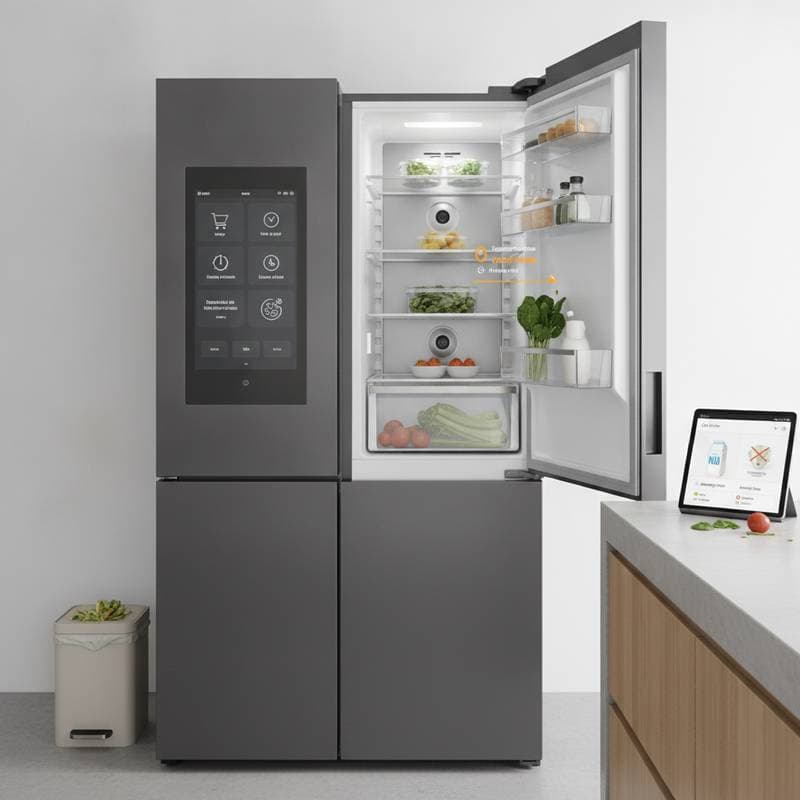
This is where AI-driven refrigerators step in. By combining sensors, cameras, and machine learning, these appliances can identify the contents of your fridge, track expiration dates, and suggest recipes that match what you already have. The result is a smarter kitchen that helps you eat better and waste less.
How AI Fridges Actually Work
Modern AI fridges use a mix of internal cameras and barcode scanners to recognize what you store. Each time you add groceries, the fridge logs them automatically, tracking freshness and quantity. The connected app then analyzes this data to generate meal suggestions, grocery lists, and reminders.
Some models even learn your preferences over time. If you frequently make pasta on weekends, the fridge might recommend recipes that use your remaining vegetables and leftover sauce. Over weeks of data, it can anticipate your cooking habits and restock suggestions accordingly.
The technology behind these systems comes from advances in computer vision and smart data integration. Instead of relying on manual input, the fridge identifies foods by appearance and patterns, similar to how a person would recognize an apple or a carton of milk.
Why It Matters for Everyday Life
Reducing food waste is not just about saving the planet, it is also about simplifying daily living. A fridge that knows what you have and helps plan meals can remove one of the biggest household headaches: deciding what to cook.
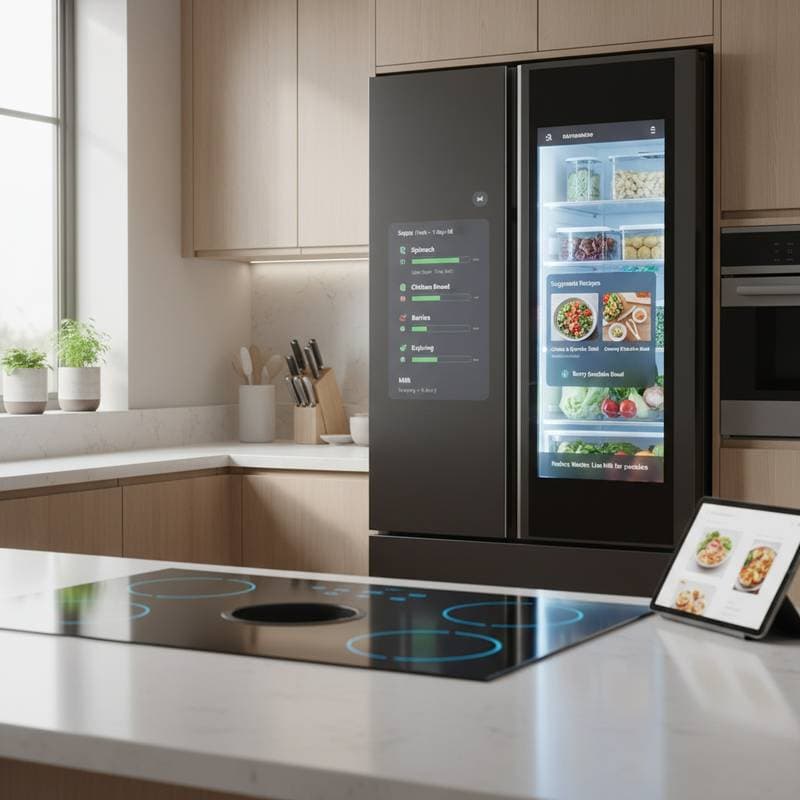
Imagine finishing work and receiving a notification that says, “You have chicken, spinach, and cream nearing their best-by dates. Here are three recipes you can make tonight.” That kind of convenience transforms meal planning from a chore into a guided experience.
Families also benefit from better budgeting. When you only buy what you need, grocery bills shrink naturally. According to consumer research, households using smart appliances with inventory tracking report fewer forgotten items and more efficient use of perishable foods.
Real-World Examples Leading the Way
Several major brands have already introduced AI fridges that show how this concept works in practice. Models from companies like Samsung and LG feature internal cameras that let users check their fridge contents from a smartphone. This means you can see whether you still have eggs while standing in the grocery aisle.
Other brands are experimenting with recipe integration. For example, a connected fridge might sync with meal planning apps to suggest dishes based on what is inside. Some systems even connect with online grocery services to reorder essentials automatically.
While these functions are still evolving, the direction is clear. The fridge is becoming a central command center for kitchen management, blending convenience with sustainability.
Overcoming Barriers to Adoption
The idea of a fridge that tracks every item might sound futuristic, but there are still challenges. Cost is one factor, as these smart appliances often come at a premium. Privacy is another concern since cameras inside the fridge may make some users uneasy.
Manufacturers are addressing these worries through better data controls and software updates. Many systems process images locally, meaning they do not upload personal data to cloud servers. As production scales and competition increases, prices are expected to become more accessible, allowing more households to join the shift toward intelligent kitchens.
Practical Benefits Beyond Waste Reduction
AI fridges do more than cut waste. They support healthier eating by helping users plan balanced meals. They can remind you to use ingredients before they spoil, reducing the temptation to order takeout. Some even suggest portion sizes or track calorie information to support dietary goals.
For busy families, this automation saves time. Instead of scanning shelves or guessing what to cook, the fridge provides ready-made plans tailored to what you already own.
Making Smart Kitchens a Reality
The move toward AI-driven meal planning fits the broader trend of unified smart ecosystems. Just as voice assistants control lighting or security, refrigerators are joining the network of devices that learn from and respond to your habits.
For consumers considering the upgrade, the smartest step is to start small. Even a connected fridge with basic tracking can make a noticeable difference in how you manage groceries.
Living with Less Waste and More Ease
Smart fridges are not just about cool tech, they represent a shift toward mindful consumption. By cutting food waste, simplifying meal decisions, and promoting healthier habits, these appliances redefine what it means to live efficiently.
The next time you open your refrigerator, imagine it not as a cold box, but as a helpful partner that knows your preferences, supports your goals, and helps you make the most of every ingredient. In a world where convenience and sustainability go hand in hand, the AI fridge might just be the smartest upgrade your kitchen could ever get.