Robot Chefs Now Cook Michelin-Quality Meals at Home
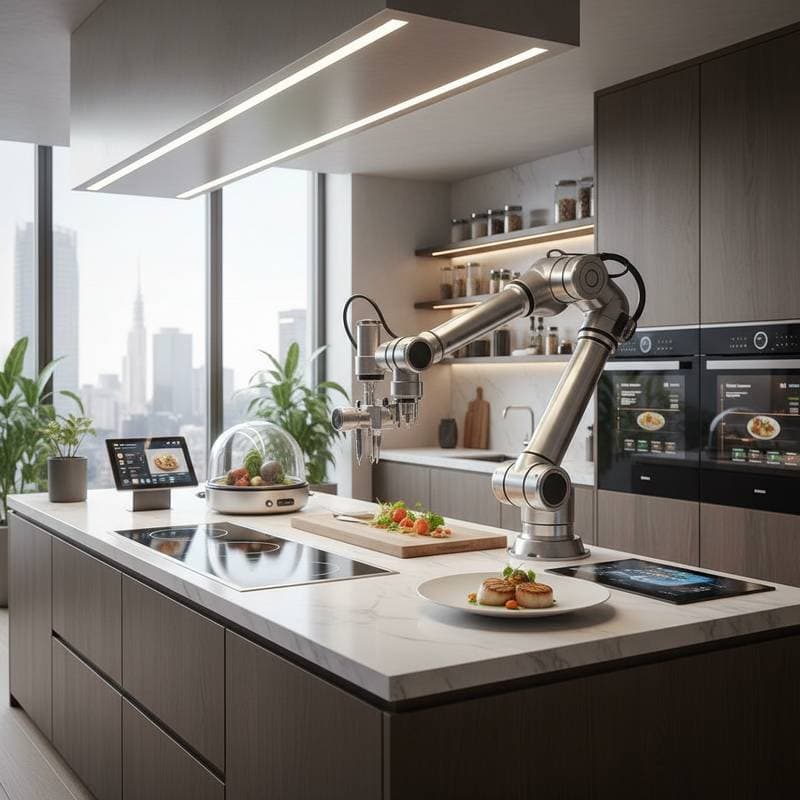
Imagine returning home from a long day to discover a perfectly plated risotto on the counter. Its aroma carries notes of buttery richness and subtle truffle essence through the air. A sleek stainless steel arm has executed the preparation, adhering to a Michelin-grade recipe with unwavering precision. This scenario moves beyond science fiction as smart kitchen technologies advance toward delivering gourmet meals that match the standards of fine dining establishments.
The Promise of an Automated Kitchen
Many individuals aspire to bypass the daily cooking routine while still savoring restaurant-quality dishes at home. Home cooks often appreciate flavorful meals but resent the associated mess, time demands, and uncertainties in preparing intricate recipes. Automated cooking systems address these challenges by managing slicing, stirring, timing, and plating with robotic precision.
The potential for growth in this area remains substantial. Smart devices already control lighting, security, and climate in homes, but the kitchen represents the next frontier for automation. Food preparation requires nuanced sensory evaluations that machines have only begun to emulate effectively. Current robot chefs employ computer vision, precise temperature mapping, and ingredient identification to accomplish tasks previously deemed beyond mechanical capabilities.
How Robot Chefs Actually Work
An automated cooking system integrates multiple smart appliances into a unified framework.
- Robotic Arms and Sensors: These components execute the physical aspects of cooking. Equipped with cameras and torque sensors, they delicately handle tasks such as cracking an egg, flipping a crepe, or stirring a sauce while preserving optimal texture.
- Smart Cooktops and Ovens: Induction surfaces link directly to the robot, modulating heat in real time to align with recipe specifications.
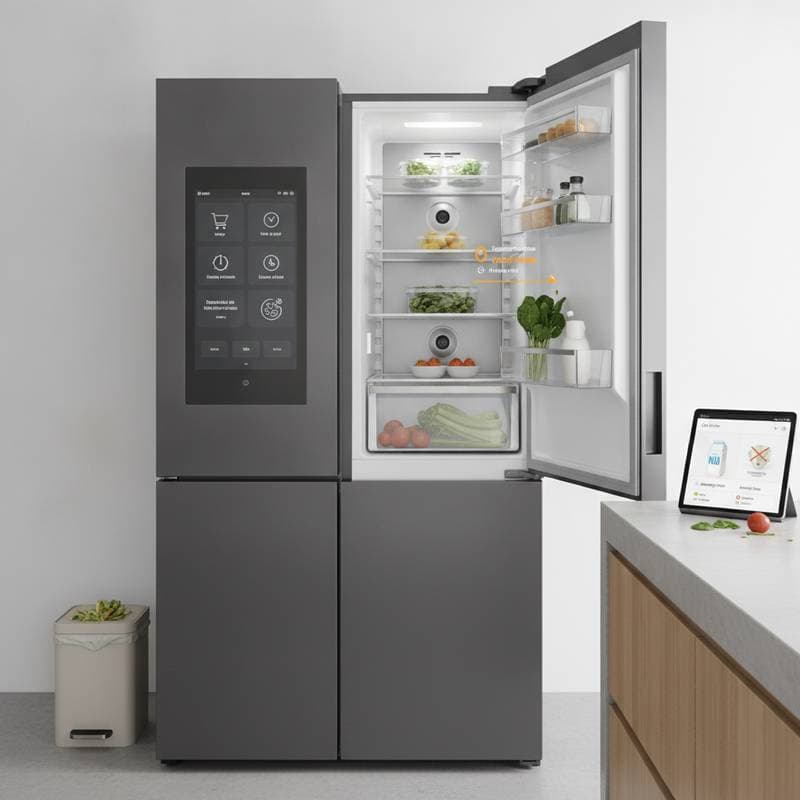
- Ingredient Recognition and Storage: Advanced vision technology identifies and quantifies ingredients autonomously. Certain models feature refrigerated compartments that sustain precise storage conditions.
- AI Recipe Libraries: Cloud-hosted databases convert traditional recipes into executable machine instructions, assigning specific movements and durations to each step.
This integration yields a fluid cooking experience. Users select a recipe via a tablet, prepare the ingredients, and allow the robot to oversee the entire process.
Calibration Is Everything
Precision in robot chefs hinges on accurate calibration between sensors and cookware. Experts advise selecting pots and pans equipped with embedded temperature sensors. Such compatibility enables the robot to monitor heat distribution precisely, avoiding overcooking or inconsistencies.
Real Products You Can Try Now
Various companies offer notable advancements in automated cooking solutions.
- Budget Option: Suvie 3.0 Smart Meal Station (approximately $399). This compact unit handles refrigeration, cooking, and broiling on a programmed schedule. It suits professionals seeking dependable automation without significant expense.
- Mid-Range Choice: CookingPal Multo (approximately $999). This versatile appliance performs chopping, steaming, and sautéing through voice commands or app integration. It provides recipe instructions and continuous temperature oversight.
- Premium Selection: Moley Robotic Kitchen (starting at $150,000). This high-end setup employs articulated robotic arms that replicate human motions. It delivers consistent chef-level results, including intricate sauces and elegant plating.
These products align with diverse needs. The Suvie emphasizes simplicity for time-strapped users, the Multo supports creative adjustments, and the Moley elevates kitchens into automated showcases.
The Learning Curve and What to Expect
Initial setup demands some effort, despite the focus on automation. Systems depend on recipe mapping, requiring translation of dishes into digital formats. Preloaded options simplify entry, but custom recipes involve demonstrating techniques or inputting parameters.
Beginners benefit from starting with programmed menus. Intermediate users refine settings like temperatures or substitutions. Advanced operators develop full sequences, with capabilities expanding through software enhancements.
Cost, Safety, and Installation Considerations
Upgrading a kitchen for smart cooking extends beyond purchasing equipment.
- Budget Range: Basic units begin at a few hundred dollars, fitting small spaces or apartments.
- Mid-Tier Systems: Investments from $1,000 to $5,000 cover multifunctional setups with cloud access.
- Luxury Installs: Comprehensive robotic kitchens surpass six figures, often including tailored cabinetry, ventilation, and electrical modifications.
Safety features prove vital given the involvement of high heat. Essential elements include emergency stops and motion sensors. Professional installation is recommended, particularly for connections to gas or power sources.
Plan for Future Upgrades
Allocate budget for expandable components. Manufacturers often support add-ons like enhanced sensors or broader recipe collections. This strategy sustains relevance amid evolving technology.
Compatibility and Ecosystem Planning
Robot chefs function within broader smart home networks, such as Google Home, Amazon Alexa, or Apple HomeKit. Integration synchronizes cooking with ambient controls, like adjusting lights or climate for meals. For instance, initiate dinner preparation as the thermostat cools the room and lighting warms to a dining ambiance.
Verify connectivity protocols before purchase. Options typically include Wi-Fi or Bluetooth, with premium units supporting Zigbee or Matter for expanded compatibility.
The Emotional Side of Robotic Cooking
Beyond practicality, this technology touches on deeper aspects of meal preparation. Cooking often serves as a personal expression, fostering family bonds and cultural traditions. Robot chefs augment rather than supplant these experiences, such as by preserving heirloom recipes for flawless replication.
Reliability frees users to prioritize enjoyment. Without concerns over technique or timing, attention shifts to plating, shared moments, or simply relishing the results.
Environmental and Sustainability Benefits
Automated systems contribute to eco-friendly practices. Precise portioning and timing reduce food waste and energy consumption. Advanced models track emissions and recommend sustainable ingredient alternatives.
Integration with energy monitors enables off-peak scheduling. This approach eases grid demands and lowers utility costs.
The Road Ahead for Robot Chefs
Experts forecast robot chefs achieving dishwasher-like ubiquity. Declining prices and growing recipe databases will drive household adoption of hybrid automation. Future developments include adaptive algorithms that tailor dishes to individual preferences, such as firmer pasta or precise steak doneness.
Emerging tactile sensors mimic human touch for texture assessment. These enable home preparation of finicky items like soufflés or tempura.
Making It Happen in Your Kitchen
To begin, opt for an entry-level smart cooker before advancing to full systems. Choose brands with robust support for updates and recipes. During remodels, design spaces with automation in mind: ample counters, accessible power, and flexible storage.
Consult specialists via contractor networks for installations. The aim is augmentation, not replacement, of culinary skills. From routine breakfasts to elaborate menus, these tools bridge innovation and indulgence, one calculated step at a time.
FAQs
What is a robot chef?
A robot chef is a smart appliance system that automates cooking tasks using robotic arms, sensors, and software-guided recipes.
How do robot chefs ensure food safety?
They incorporate temperature monitoring, motion detection, and emergency protocols to handle high-heat operations securely.
Can robot chefs handle custom recipes?
Yes, users can input or demonstrate recipes, with AI adapting steps for machine execution over time.
What is the average cost of a robot chef system?
Costs range from $400 for basic units to over $150,000 for premium installations, depending on features and scale.
Do robot chefs integrate with other smart home devices?
Most connect via Wi-Fi, Bluetooth, or standards like Matter, syncing with ecosystems for coordinated routines.