AI Cooks Meals Effortlessly with Smart Kitchen Tech
Smart homes once emphasized lighting, security, and climate control. Today, the kitchen drives innovation. Intelligent ovens, adaptive recipe platforms, and interconnected appliances reshape cooking, eating, and meal planning. Artificial intelligence realizes the vision of a kitchen that anticipates needs, adjusts cooking times automatically, and delivers consistent results.
This evolution aligns with demands for convenience and personalization. Individuals seek healthier meals without constant oversight. They desire tools that conserve time while elevating quality. AI addresses these needs through precise machine learning informed by culinary principles.
1. Smart Ovens That Think Like Chefs
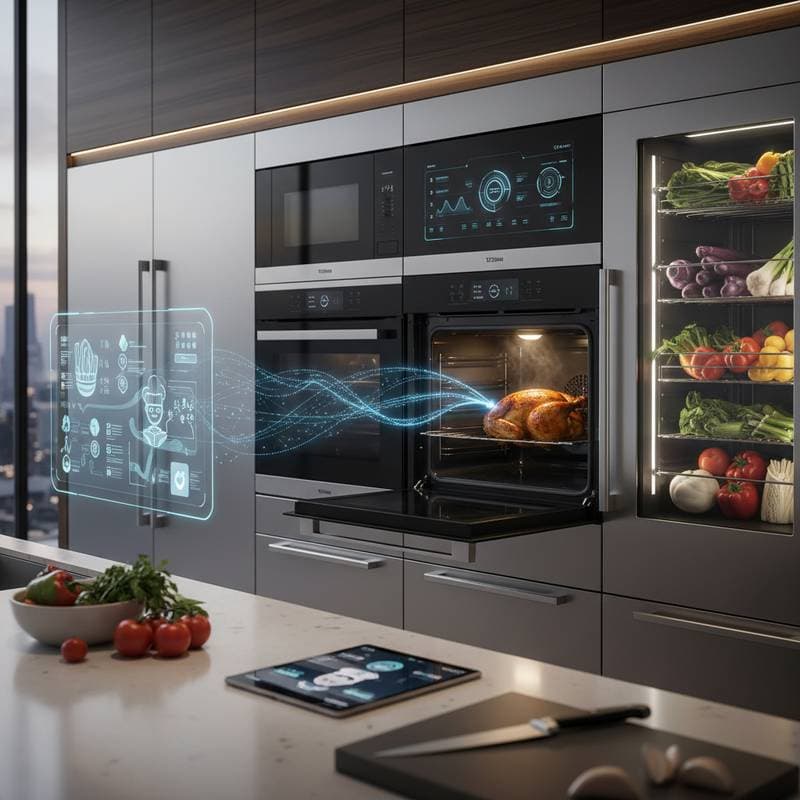
Contemporary smart ovens incorporate cameras, temperature sensors, and AI algorithms to detect food items. Upon identification, they optimize temperature, cooking mode, and duration. This approach removes uncertainty, preventing overcooked or underdone outcomes.
Such ovens deliver professional consistency for daily use. Roasting vegetables or baking salmon yields ideal texture and flavor. Research indicates users experience greater satisfaction with automated preparations.
Brands like June and Brava employ visual recognition. Place a chicken breast inside, and the oven selects a suitable profile, then alerts upon reaching optimal doneness. Novice cooks achieve restaurant-quality dishes with little intervention.
2. AI Recipe Platforms That Adapt to You
Recipe applications progress from fixed lists to interactive systems that study user patterns. They examine cooking history, dietary restrictions, and inventory to propose meals matching moods, objectives, and available items.
Personalization simplifies planning. Users receive targeted suggestions based on preferences and stock, minimizing waste and fostering culinary exploration.
SideChef and Whisk leverage AI for customized recommendations. These apps connect to grocery services, adding needed items to orders. This integration streamlines the transition from planning to preparation.
3. Connected Appliances That Communicate
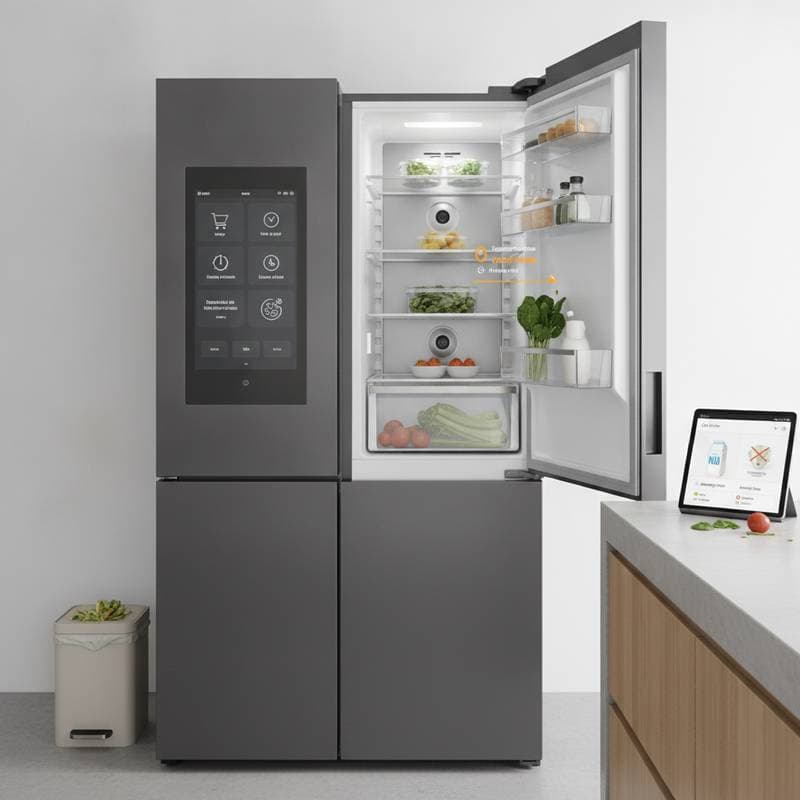
In unified kitchens, appliances exchange information. Refrigerators propose recipes from contents, then signal ovens to preheat accordingly.
This connectivity streamlines processes, cuts manual efforts, and enhances energy efficiency through synchronized operations.
Samsung's SmartThings platform unifies devices via a single application. A low-stock alert from the fridge prompts recipe ideas using existing supplies, with the oven readying itself automatically.
4. Voice and Gesture Control for Effortless Interaction
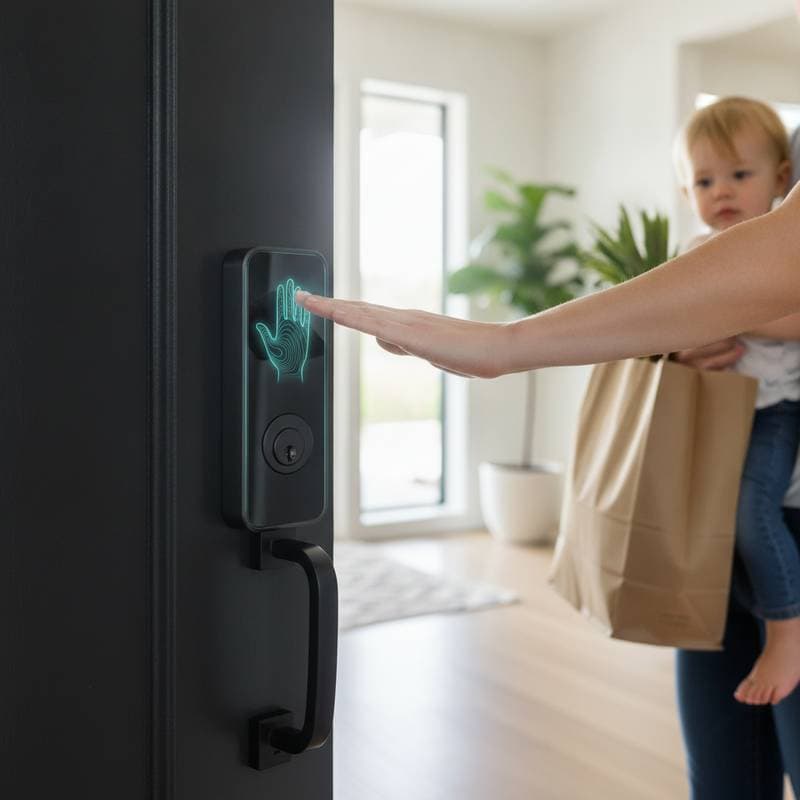
Messy hands during cooking hinder touch interfaces. Voice commands and gestures enable hands-free operation for recipes, settings, and monitoring.
These methods boost hygiene and ease. Instruct the oven to reduce heat or query roast temperature without workflow disruption.
Amazon Alexa and Google Assistant pair with smart ovens for verbal directions on preheating, timers, or status checks. Emerging gesture systems allow hand waves to pause or continue functions.
5. Predictive Cooking and Real-Time Feedback
Sensors monitor moisture, temperature, and progress continuously. Predictive AI adjusts proactively to avert issues.
This foresight ensures uniformity and accelerates mastery of recipes by preempting problems.
Tovala's oven scans barcodes and accesses cloud data for precise cooking of prepared meals. It modifies heat and time dynamically, learning preferences to refine future results.
6. Smart Scales and Ingredient Recognition
AI scales and cameras detect ingredients, quantify amounts, and revise recipes instantly. Excess milk triggers immediate recalculations to salvage the dish.
This technology promotes accurate cooking without expert skills, encouraging confident experimentation.
Drop's scale works with apps to measure additions step by step, updating instructions in real time. It balances creativity with reliability for home chefs.
7. Wellness-Driven Meal Recommendations
AI tracks nutrition, proposes balanced options, and aligns with dietary aims. Integration with fitness wearables extends wellness support.
Automated suggestions foster lasting habits, replacing manual tracking with informed choices.
NutriSense and Noom link to kitchen tools for comprehensive guidance. A protein deficit noted by a tracker prompts suitable dinner ideas with detailed instructions.
8. Automated Meal Prep and Robotic Assistance
Robotic tools handle stirring, flipping, and other routines. They manage tedium, preserving the pleasure of cooking.
This assistance eases preparation for time-strapped families and maintains uniformity in bulk tasks.
Moley Robotics offers a system for full meal creation. Though high-end, it previews a blend of automation and human input.
9. Data Privacy and Consumer Trust
Connected devices gather data on routines and choices. Ethical designs grant users oversight of information usage.
Privacy assurance drives acceptance. Clear policies and robust security build essential confidence.
Manufacturers provide dashboards for data review and control, enhancing transparency and user education.
10. Sustainability Through Smart Cooking
AI optimizes energy, curtails waste, and promotes efficient consumption. Appliances recommend portions and preserve freshness.
These features advance eco-friendly practices alongside comfort.
LG's ThinQ connects refrigeration and ovens to track expiration. Imminent spoilage triggers timely recipe suggestions, cutting waste and costs.
Shifting Kitchen Routines
AI alters food interactions profoundly. Cooks partner with systems that adapt and evolve. The kitchen evolves into a creative hub, accessible to all skill levels.
Affordability and standards like Matter boost adoption by enabling seamless brand interoperability. Unified ecosystems replace fragmented tools.
Daily Integration of AI Assistance
Intelligent systems blend seamlessly into routines. An oven recalling pizza preferences or an app scheduling around fridge contents smooths operations.
Users often find this support intuitive, shifting focus from control to preferences.
Steps to Adopt Smart Cooking
Begin modestly with a smart oven or adaptive app. Test voice features or inventory tracking.
This partnership enhances creativity and efficiency. Technology anticipates schedules, turning meals into enjoyable experiences rather than burdens.