The Evolution of Kitchen Automation: Meals Ready Overnight
Smart home technology has advanced far beyond basic controls for lights and temperature. Kitchens now stand at the forefront of innovation, where appliances equipped with artificial intelligence handle chopping, seasoning, and cooking during off-hours. This shift toward AI-powered kitchens that prepare meals overnight moves everyday cooking from routine labor to an automated, reliable process that fits seamlessly into modern lifestyles.
Foundations of Automated Meal Preparation
Picture arriving home to a warm, nutrient-rich dinner or starting the day with a customized breakfast, all without lifting a utensil. Advanced systems manage every stage, from selecting ingredients to final presentation, using sensors, predictive algorithms, and machine learning to align with user habits. These tools deliver results comparable to those of skilled chefs, ensuring balanced nutrition and flavor consistency.
Market research indicates a surge in demand for such appliances, driven by the expansion of interconnected home devices. Users value the time savings, minimized waste, and reliable outcomes these systems provide. Beyond mere automation, the focus lies on adapting to personal rhythms, such as preparing quick lunches for remote workers or family-style dinners for larger households.
Overnight Cooking Innovations
Central to this transformation is overnight meal preparation, where appliances marinate meats, simmer soups, or proof dough well before waking hours. Integrated calendars allow users to input preferences the evening prior, triggering processes that complete by morning or evening. For instance, a slow cooker might activate at midnight to tenderize a brisket, adjusting heat based on real-time moisture levels.
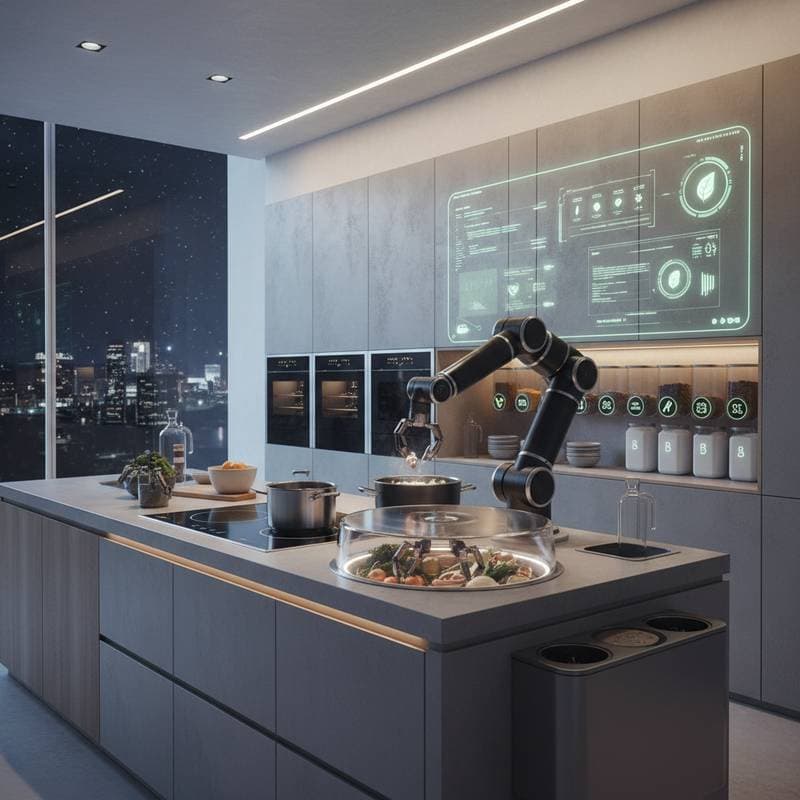
Robotic stations exemplify this trend, featuring built-in refrigeration, precise heating elements, and mechanical arms for stirring. These units process recipe databases to follow steps meticulously, adjusting for variables like altitude or humidity. Busy professionals and health-conscious individuals benefit most, as these setups reduce reliance on processed foods and delivery services.
Customizing Recipes to Individual Tastes
Personalization elevates AI kitchens by evolving recipes based on past interactions. Systems track preferences, such as reducing sodium for dietary needs or amplifying herbs for bolder flavors, and apply changes without manual input. Over time, the kitchen refines suggestions, learning from feedback like thumbs-up ratings on completed dishes.
Developers of linked cooking platforms employ this data to generate tailored meal ideas and execute modifications on the fly. An oven might crisp a pizza edge more thoroughly after noting user satisfaction with previous attempts, while a food processor fine-tunes nut butter consistency. This ongoing adaptation turns the kitchen into a responsive partner that grows with the user's evolving palate.
Seamless Appliance Integration
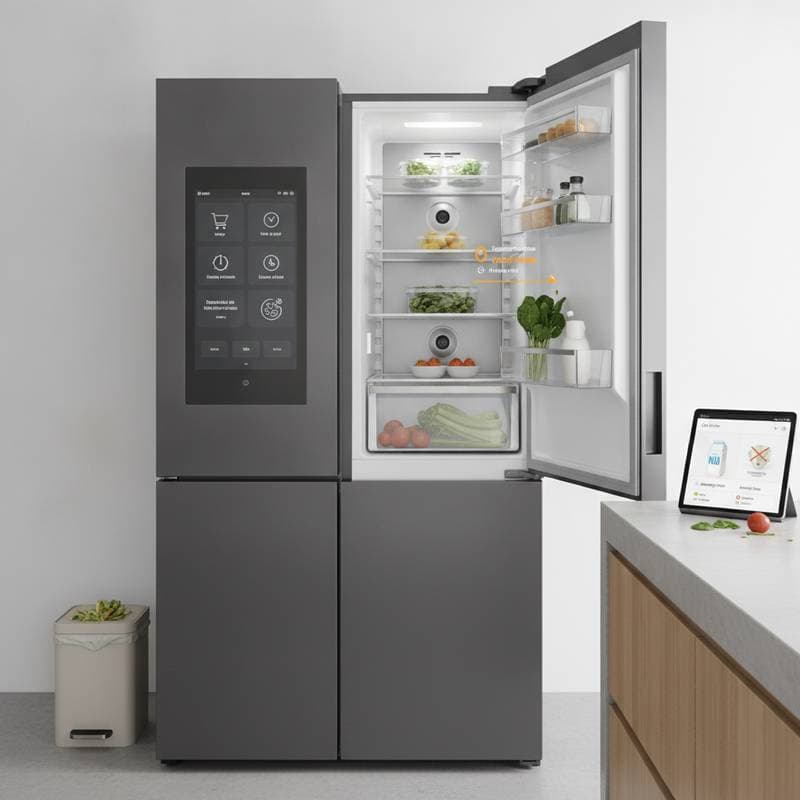
Modern kitchens thrive on interconnected devices that operate as a cohesive unit. Refrigerators monitor stock levels and alert for low supplies, ovens propose dishes using available items, and dishwashers time cycles to follow meal completion. A central hub orchestrates these interactions via a unified app, streamlining operations from planning to cleanup.
This ecosystem extends to automated grocery management, where the system generates lists and places orders through partnered services. Users gain oversight through dashboards showing inventory status and upcoming meal timelines. Such coordination eliminates silos between appliances, fostering an environment where preparation unfolds independently.
Promoting Sustainability Through Smart Design
Efficiency defines forward-thinking AI kitchens, which curb waste and energy consumption while maintaining quality. Sensors detect portion needs, track shelf life, and flag items approaching spoilage, guiding users toward optimal usage. Predictive models forecast consumption patterns to prevent excess buying, supporting both household budgets and environmental goals.
Certain systems optimize cooking by modulating power based on load size, such as lowering temperatures for smaller batches to save electricity. Recipe algorithms prioritize dishes that repurpose leftovers, like transforming yesterday's vegetables into a fresh stir-fry. These features position the kitchen as a steward of resources, aligning convenience with responsible practices.
Robotics in Everyday Cooking
Robotic elements bring professional techniques to home counters, with arms that dice produce, emulsify dressings, and assemble plates. These machines execute complex tasks with accuracy, scaling portions for solo diners or gatherings. Integration with mobile apps enables selection from extensive recipe libraries, accommodation of restrictions like gluten-free, and timed execution.
A notable advancement involves compact robots that dispense ingredients from modular cartridges, minimizing mess and cross-contamination. Post-cooking, they signal connected cleaners to sanitize surfaces. This automation empowers novice cooks to achieve gourmet results, expanding access to diverse cuisines without extensive skill development.
Intuitive Controls for Hands-Free Operation
Voice commands and gesture interfaces simplify interactions, enabling adjustments without interrupting tasks. Users dictate recipe changes or timer settings through natural speech, with systems confirming actions for accuracy. Gesture controls prove ideal during prep, allowing a wave to pause mixing or summon ingredient info.
These methods foster a collaborative feel, where the kitchen anticipates needs based on context, such as suggesting ventilation increases when detecting strong aromas. Reliability improves through noise-cancellation tech and multi-language support, making the space inclusive for all household members.
Steps to Build Your AI Kitchen
Transitioning to an automated setup begins with compatible core devices, like a networked refrigerator or programmable oven. Evaluate options for open protocols that ensure future expansions avoid compatibility issues. Start by linking two or three appliances to test workflows, then scale as familiarity grows.
Budget-conscious upgrades focus on modular systems that allow piecemeal additions, prioritizing high-impact items like multi-function cookers. Regular software updates enhance performance, unlocking new features such as advanced recipe syncing. This incremental approach democratizes access, making sophisticated cooking attainable for varied households.
Embracing Effortless, Adaptive Dining
AI kitchens preserve the essence of home cooking while amplifying its joys through reliability and innovation. They accommodate fluctuating schedules, from overnight shifts to family vacations, ensuring meals remain nourishing and enjoyable. Ultimately, these systems liberate time for what matters, integrating food preparation as an unobtrusive ally in daily life.