Imagine Dinner Preparing Itself
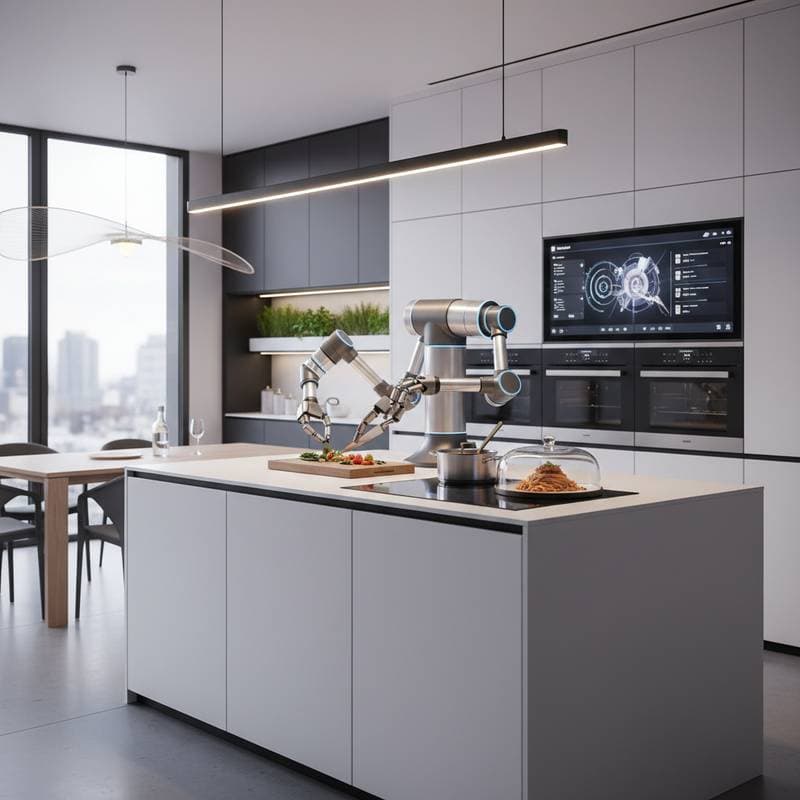
You arrive home after a demanding day. The kitchen lights activate gently, and a subtle hum emanates from the appliances. One robotic arm stirs a sauce on the stove, while another device slices vegetables with exact uniformity. The dishwasher runs quietly in the background, and the aroma of fresh basil and garlic wafts through the air. This scene may seem like science fiction, but advanced kitchen robots are making it a common reality for households worldwide.
Challenges of Contemporary Home Cooking
Preparing a homemade meal offers satisfaction, yet it demands significant time and effort. Tasks such as ingredient preparation, actual cooking, and subsequent cleanup can consume several hours each evening. Individuals often desire to cook more frequently, but balancing these activities with professional commitments, family responsibilities, and personal downtime proves difficult. Even for those who appreciate the creative aspects, monotonous duties like scrubbing cookware or monitoring rising dough diminish motivation over time.
Advancements in Smart Kitchen Technology
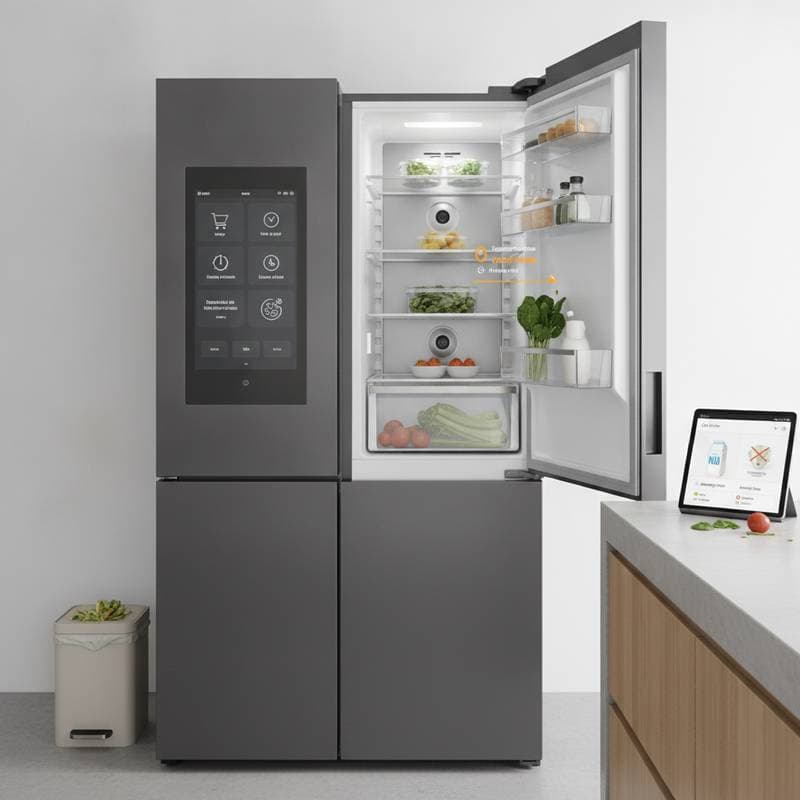
Innovations in smart kitchen devices have already reshaped cooking practices. The current evolution centers on kitchen robots, which integrate automation, artificial intelligence, and connectivity to oversee tasks from initial preparation to final presentation. These tools extend beyond mere convenience; they foster a collaborative kitchen environment.
Options range from comprehensive automated stations to devices focused on routine operations. The core benefits include enhanced efficiency, accurate execution, and expanded creative possibilities. Kitchen robots enable more frequent home cooking, minimize food waste, and encourage experimentation with diverse recipes, all without the risk of inconsistent results.
Exploring Types of Kitchen Robots
Kitchen robots vary widely in design and capability. Compact units occupy minimal counter space for targeted functions, whereas expansive setups manage full meal preparation. Primary categories encompass:
- Cooking robots designed for tasks like sautéing, boiling, or grilling with automated controls.
- Preparation robots equipped to chop, dice, knead, or blend ingredients efficiently.
- Cleaning robots dedicated to dishwashing or surface sanitization.
- Integrated robotic systems that merge multiple functions into a single unit.
Intelligence arises from their integration with mobile applications or voice assistants such as Alexa or Google Home. A simple command like "Initiate dinner preparation" prompts the robot to process vegetables based on a preselected recipe.
Examples Across Price Ranges
Consider these practical illustrations:
- Affordable choice: CHEF iQ Smart Cooker – Priced at approximately $200, this multifunctional pressure cooker links to Wi-Fi and provides recipe instructions. Built-in sensors automatically calibrate cooking duration and heat levels.
- Moderate investment: CookingPal Multo – At about $1,000, it performs chopping, mixing, steaming, and sautéing. A companion display and app ensure seamless operation for daily routines.
- High-end solution: Moley Robotic Kitchen – Beginning at $350,000, this complete system employs dual robotic arms to prepare full meals and perform cleanup. Though expensive, it demonstrates the rapid progress in accessible automation.
Annual developments yield more cost-effective models, bringing professional-grade features into average homes.
Benefits of Kitchen Robots for Daily Routines
Consistency stands as the primary strength of kitchen robots. Users avoid issues like overdone pasta or irregularly cut produce by programming preferences that the device replicates flawlessly.
Key transformations include:
- Accurate temperature control: Sensors track heat and humidity to avert scorching or insufficient cooking.
- Automated preparation: Mechanisms such as robotic appendages or blades manage slicing, stirring, or dough working, freeing time for other activities.
- Guided recipes: Integration with applications offers sequential directions, with adaptations for alternative ingredients or nutritional needs.
- Self-maintenance features: Select models clean and disinfect their parts post-operation.
Few realize that commercial kitchens have long employed robotics for precise portioning and waste reduction. Residential versions adopt similar principles, scaling ingredient amounts to match serving sizes dynamically.
Integrating Cleaning Automation
Post-meal cleanup frequently deters home cooking. Robotic solutions for dishwashing and surface maintenance address this barrier effectively.
- Entry-level pick: iRobot Braava Jet M6 – For around $400, it navigates and mops kitchen floors using advanced mapping technology.
- Balanced selection: Samsung Smart Dishwasher with SmartThings – Costing roughly $1,000, it supports remote scheduling and cycle monitoring via smartphone.
- Luxury model: LG Signature Dishwasher with TrueSteam – At about $1,800, it employs steam jets for thorough sanitization of dishes and tools.
Combining a cooking robot with a cleaning counterpart yields a near-autonomous kitchen. Users input ingredients, activate the sequence, and discover a tidy environment upon completion.
Key Factors for Purchasing Decisions
Evaluate several elements prior to acquiring kitchen robots to ensure suitability.
- Available space: Certain units demand fixed counter areas or professional installation. Assess dimensions meticulously.
- Financial scope: Basic models begin at a few hundred dollars; comprehensive setups surpass thousands.
- Safety protocols: Adhere to setup instructions, particularly for electrical or plumbing integrations. Engage certified experts for complex installations.
- System interoperability: Verify compatibility with your smart home platform. For Alexa users, confirm voice command support.
- Ongoing care: Routine wiping and firmware updates sustain optimal function. Some brands provide subscription services for support and recipe enhancements.
Professionals specializing in smart appliances can unify devices into a cohesive network. Services like HomeAdvisor or Angi facilitate connections with qualified installers at no initial cost.
Evaluating Long-Term Value
Assess the broader economics of kitchen robots. Factor in saved preparation hours, decreased spoilage, and optimized energy use to view them as strategic investments. A versatile cooker consolidates multiple tools, streamlining storage and power draw.
Efficient designs further conserve resources by precisely measuring recipe components, curbing excess. Compatibility with monitoring devices allows real-time usage tracking, enabling adjustments to energy rates during low-demand periods.
Steps to Adopt Kitchen Automation
Automation requires no complete overhaul. Identify primary inefficiencies in your routine and introduce a targeted device. A smart cooker streamlines weekday dinners, complemented by a floor-cleaning robot for hygiene.
Observe the time savings to guide further additions. These systems enhance rather than supplant personal involvement. Select seasonings, refine consistencies, and arrange presentations manually while delegating tedium to machines.
Implementing Your Automated Kitchen
Transitioning to a robotic kitchen proves straightforward today. Pinpoint specific hurdles, such as preparation demands, extended cooking durations, or cleanup burdens. Select a robot aligned with that priority.
Maintain practical outlook during integration. Familiarity develops gradually, evolving devices into reliable aides. Ongoing software enhancements deliver fresh recipes and refined processes, ensuring sustained improvement.
Frequently Asked Questions
- What is the ideal starting robot for beginners? Begin with a multifunctional cooker like the CHEF iQ for its affordability and ease of use.
- Do kitchen robots require internet connectivity? Most advanced models benefit from Wi-Fi for app control and updates, though basic functions operate offline.
- How do they handle custom recipes? Upload personal instructions via companion apps, where AI suggests adjustments for optimal results.
- Are they safe around children or pets? Reputable units include sensors to pause operations if movement is detected nearby.
- What maintenance is needed? Wipe components after each use and apply software updates monthly to maintain performance.