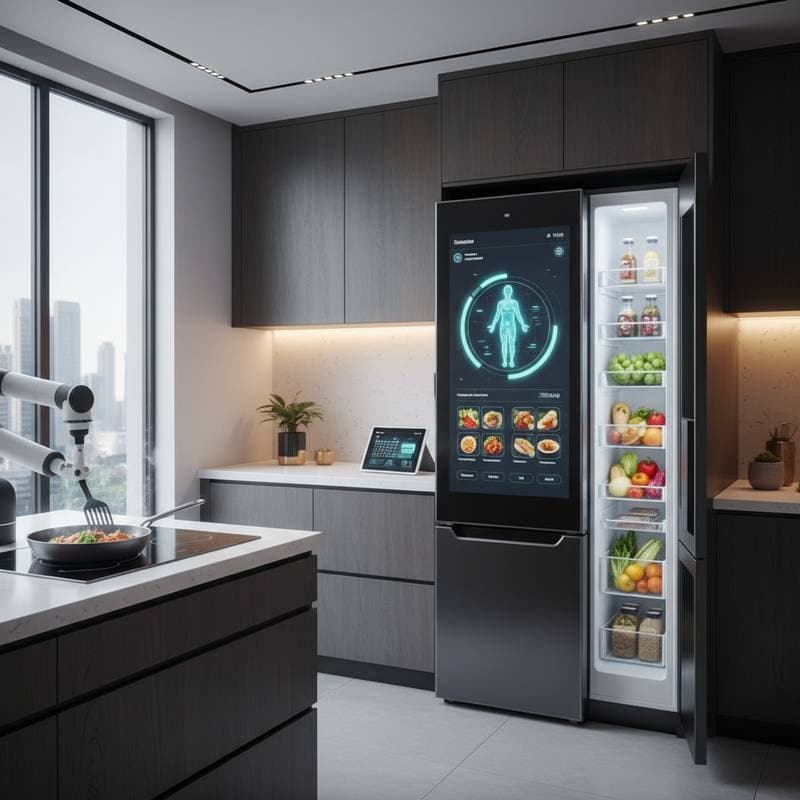
Smart Fridges Now Plan Your Meals Using Health Data
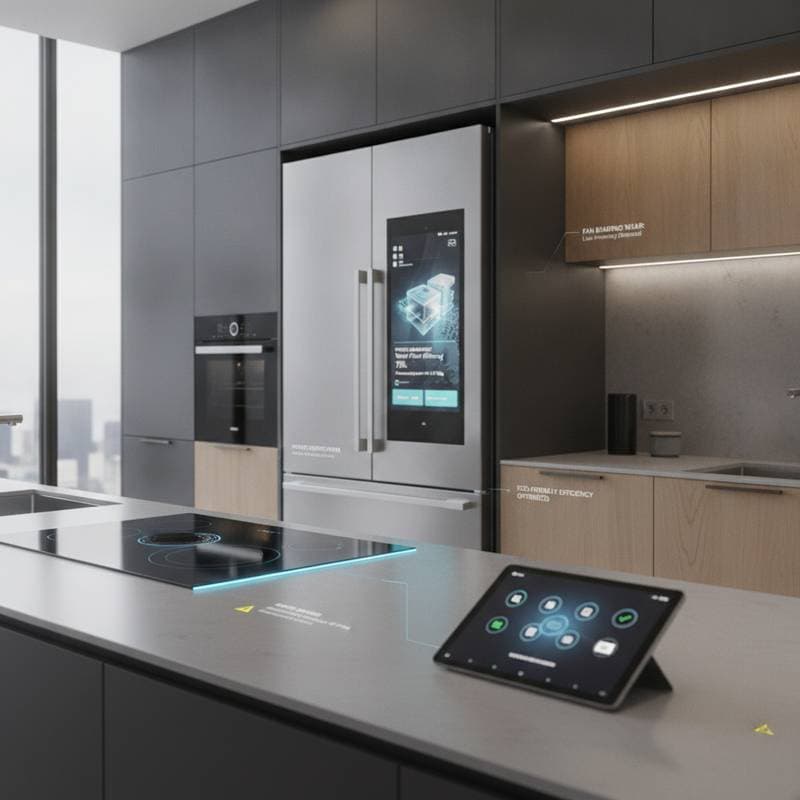
Smart refrigerators represent the latest advancement in kitchen technology. These appliances integrate artificial intelligence to analyze ingredients inside the unit and personal health information. The result offers customized meal suggestions that promote better nutrition and convenience.
Users provide data such as dietary preferences, fitness goals, and medical conditions through connected apps. The fridge then scans its contents using built-in cameras and sensors. Algorithms process this information to generate recipes that align with individual needs.
This approach moves beyond simple inventory tracking. It creates a proactive system that supports wellness objectives while minimizing food waste.
How Smart Fridges Integrate Health Data
Modern smart fridges connect to wearable devices and health apps. For instance, information from a fitness tracker reveals daily calorie intake or activity levels. The appliance uses this data to adjust meal plans accordingly.
Sensors detect expiration dates and nutritional values of stored items. Cameras identify produce and packaged goods with image recognition technology. The system cross-references this with health profiles to suggest balanced combinations.
Privacy remains a priority. Manufacturers implement encryption and user controls to secure sensitive information. Users decide what data to share and can revoke access at any time.
Key Technologies Behind the Scenes
Artificial intelligence drives the core functionality. Machine learning models predict nutritional needs based on patterns in user behavior. Natural language processing allows voice commands for adjustments.
Cloud computing enables real-time updates from nutrition databases. Integration with smart ovens or stovetops automates cooking processes. This seamless ecosystem turns the kitchen into an intelligent hub.
Leading Brands and Their Innovations
LG leads with its InstaView ThinQ series. These models feature a transparent door panel that activates with a knock. Inside, AI suggests meals by combining fridge contents with health app data from sources like Google Fit.
Bosch offers the Home Connect line, which emphasizes energy efficiency. Users input goals such as weight management or allergy avoidance. The fridge generates shopping lists and recipes that fit these parameters.
Samsung's Family Hub refrigerators include internal screens for recipe display. Touch interfaces allow direct interaction with meal plans. Synchronization with Samsung Health ensures suggestions match personal wellness targets.
Other players like Whirlpool and GE Appliances follow suit. Each brand focuses on unique features, such as voice-guided cooking or integration with meal delivery services.
Benefits for Everyday Users
One major advantage is time savings. Manual meal planning often consumes hours weekly. Smart fridges automate this task, freeing users for other activities.
Nutritional improvement follows closely. Personalized plans help meet goals like reducing sodium intake or increasing fiber consumption. Studies show such tools enhance adherence to healthy diets.
Waste reduction occurs through precise inventory management. The system alerts users to use items before they spoil. This practice lowers grocery costs and environmental impact.
Families benefit from shared profiles. Multiple users receive tailored suggestions without compromising individual privacy. The appliance adapts to group dynamics, such as accommodating vegetarian options alongside standard meals.
Steps to Implement Smart Meal Planning
Start by selecting a compatible refrigerator. Research models that support health data integration. Consider factors like capacity, energy use, and app compatibility.
- Set up the device following manufacturer guidelines.
- Download the associated app and create a profile.
- Link health apps or wearables for data import.
- Input preferences, allergies, and goals manually if needed.
- Allow the initial scan to inventory contents.
- Review and approve the first meal suggestions.
- Adjust settings as habits evolve.
Regular maintenance ensures accuracy. Clean sensors periodically and update software for new features. This routine keeps the system performing optimally.
Potential Challenges and Solutions
Initial costs can deter adoption. High-end models range from $2,000 to $5,000. However, long-term savings on food and energy offset the investment.
Learning curves exist for tech novices. Brands provide tutorials and customer support. Starting with basic functions builds confidence over time.
Data accuracy depends on user input. Inconsistent logging leads to suboptimal plans. Encourage consistent tracking through app reminders.
Connectivity issues may arise in areas with poor internet. Most fridges offer offline modes for basic scanning. Full AI features require stable connections.
The Future of AI-Powered Kitchens
Advancements promise even greater personalization. Future models may incorporate genetic data for precise dietary recommendations. Integration with smart homes will expand to lighting and music synced to cooking moods.
Sustainability drives innovation. Fridges could optimize for seasonal, local ingredients to reduce carbon footprints. Partnerships with farms might enable direct ordering.
Healthcare integration grows. Doctors could prescribe meal plans via the appliance. This bridge between medicine and daily life enhances preventive care.
As technology matures, accessibility improves. Prices may decrease, and features standardize across brands. Widespread adoption could transform global eating habits.
Achieving Wellness Through Intelligent Appliances
Smart fridges empower users to prioritize health without added effort. They blend convenience with expertise, turning routine tasks into opportunities for better living. Embrace this evolution to nourish body and schedule effectively.
By leveraging health data, these appliances deliver meals that sustain long-term goals. The kitchen becomes a partner in wellness, one smart suggestion at a time.