Smart Kitchens Enable Hands-Free Meal Preparation by 2026
Smart homes continue to reshape daily life, with the kitchen now at the forefront of innovation and ease. Autonomous kitchens that handle meal preparation with little human involvement shift from futuristic concepts to practical realities. Voice-activated devices, robotic mechanisms, precise cooking tools, and inventory sensors combine to realize hands-free cooking. Soon, tasks such as chopping, stirring, or monitoring a stove may become obsolete.
This evolution extends beyond mere automation. It fosters greater comfort, operational efficiency, and individual customization. As connected lifestyles gain traction, kitchens emerge as intelligent centers that foresee requirements, oversee supplies, and minimize excess. Picture arriving home to a completed meal, crafted by a setup attuned to personal tastes and timetables. Such scenarios draw nearer each day.
1. Robotic Systems Lead in Automated Cooking
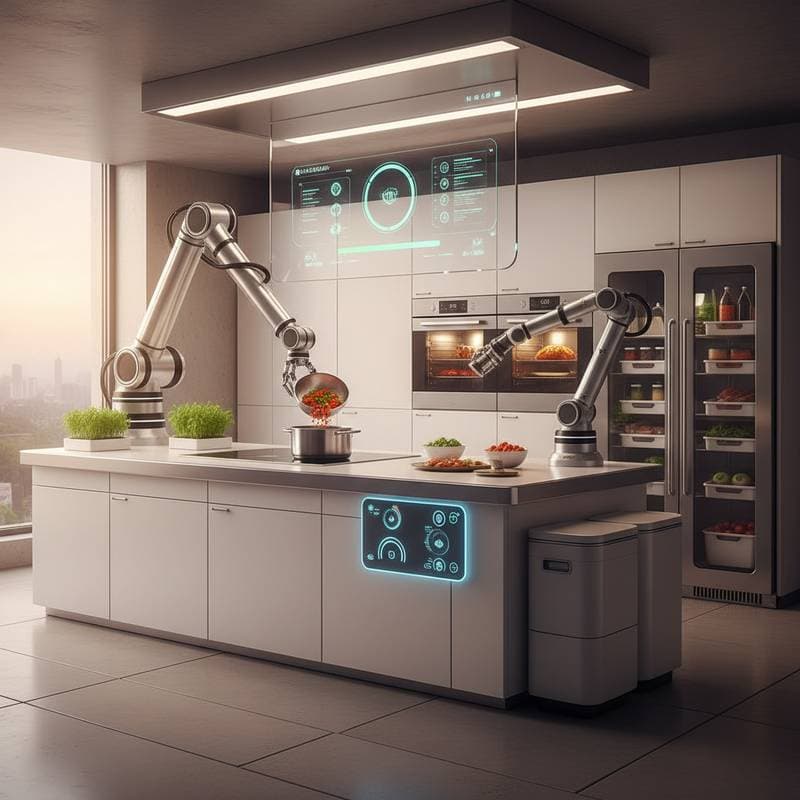
Robotic cooking platforms stand out as key advancements in contemporary kitchens. These setups employ flexible arms, visual recognition technology, and extensive recipe libraries to emulate skilled chef techniques. They manage tasks like searing produce, inverting crepes, and subsequent cleanup. Leading firms design installations that mount over conventional cooktops, compatible with standard utensils.
The benefits prove evident for time-pressed families or novice cooks. These robots deliver reliable results and simplicity. A residential robotic chef executes recipes with exact timing and flavor profiles. For instance, a prominent model deploys paired arms to imitate expert motions, drawing from a vast recipe archive. Initial users note its capability to manage intricate dishes, such as spiced sauces or braised meats, independently.
2. Advanced Recognition for Inventory Management
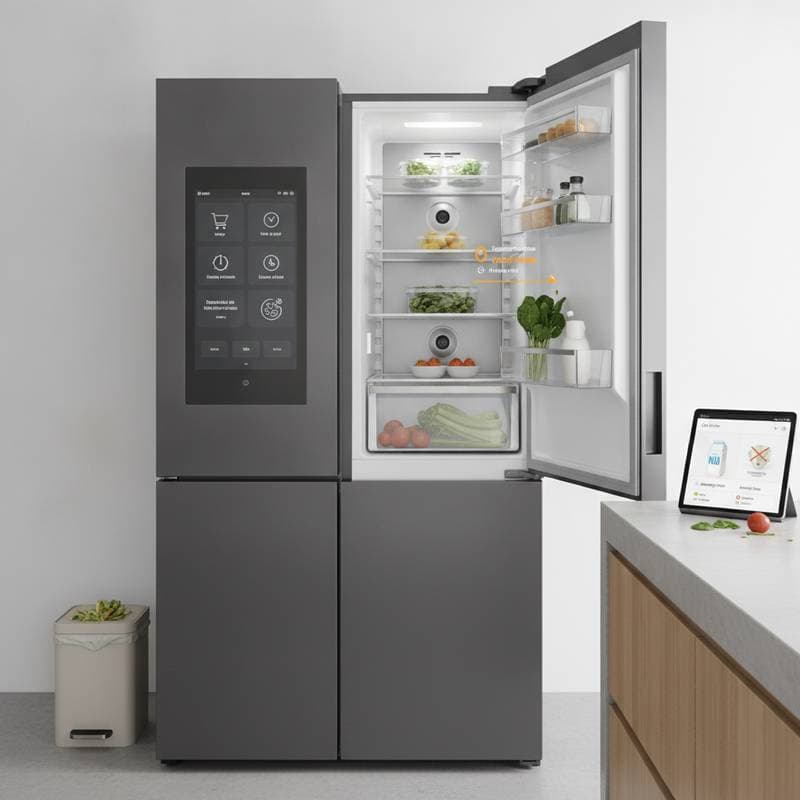
Food waste poses ongoing challenges, yet emerging kitchen solutions target it effectively. Recognition technologies deploy imaging devices and detectors to catalog fridge and cupboard contents. They monitor shelf lives and propose dishes utilizing available items. Certain versions link to e-commerce services for automatic restocking.
Such features conserve time while curbing waste and expenses. An intelligent refrigerator alerts users to nearing spoilage in fruits or dwindling dairy supplies. Paired with suggestion algorithms, these tools devise plans that maximize ingredient use. A major producer offers units with embedded cameras, enabling remote inventory views through mobile applications. Users verify breakfast staples like eggs without physical checks or notes.
3. Autonomous Precision in Cooking Adjustments
Intelligent ovens, burners, and vessels now self-regulate heat, duration, and methods. Embedded sensors gauge humidity, warmth, and mass to optimize operations for optimal outcomes. A networked oven identifies inserted foods and activates suitable modes independently. Advanced units track core temperatures to avoid excess cooking.
Home users benefit from reduced mishaps and uniform results. Uncertainty over roast completion or cookie timing fades. The equipment manages these choices. Recently, a producer launched an oven with interior imaging and artificial intelligence for dish identification and progress monitoring. Mobile access to live views proves available, though manual overrides remain rare. Home precision rivals professional standards.
4. Voice and Gesture Interfaces for Effortless Operation
Kitchens often involve disarray, rendering contactless commands essential. Voice aides integrate routinely, with forthcoming versions supporting fluid exchanges. Consider verbal instructions like preheating an oven to 375 degrees amid vegetable prep, or a hand motion to activate ventilation. Proximity and motion detectors embed into fixtures and illuminations for intuitive handling.
Market-available voice microwaves, taps, and lights respond reliably. They recite recipes or initiate timers during preparation. Evolving systems gain situational awareness, adapting to occupants and activities. This responsive dynamic infuses kitchens with vitality and seamlessness.
5. Integrated Networks for Coordinated Functionality
Interoperability among varied brands has challenged smart home progress, but common protocols now bridge gaps. Appliances exchange data via unified channels, eliminating app silos or direct oversight.
Envision an oven signaling a dishwasher post-cycle to commence washing, or a fridge logging consumed items to refine planning. Such linkages streamline chores and eliminate redundancies. Firms construct comprehensive kitchen networks under centralized dashboards. Users experience reduced oversight and fluid routines.
6. Tailored Nutrition Through Smart Planning
Rising health focus drives kitchens toward individualized support. Tools assess components, log caloric consumption, and balance nutrients. Integration with fitness trackers refines suggestions per exertion or objectives. Platforms generate customized weekly schedules for diets like plant-based, high-fat, or reduced-salt.
This method positions the kitchen as a health collaborator. It promotes informed selections effortlessly. A linked blender suggests post-exercise blends for nutrient recovery. Precision scales portion ingredients to caloric aims. Family accounts accommodate diverse needs, harmonizing enjoyment with nutrition.
7. Sustainable Practices and Energy Optimization
Eco-consciousness shapes modern residences, with smart kitchens advancing these ideals. Real-time monitors adjust power usage dynamically. A networked dishwasher postpones operations to off-peak periods, lowering bills and grid loads. Induction surfaces outperform gas or coil elements in efficiency, slashing waste.
Further, these devices encourage green behaviors. Planning automation cuts surplus food, while supply visibility aids ethical picks. Emerging composters sync with systems to convert remnants into soil enhancers. Kitchens thus balance user ease with planetary care.
8. Adaptive Learning for Personalized Routines
Sophisticated kitchens transcend commands; they evolve via user patterns. They forecast meal times, favored dishes, and preparation styles. Algorithms enhance outputs progressively. Within weeks, systems discern preferences like robust morning brews or firm evening noodles.
This personalization infuses uniqueness into each space. Kitchens mirror inhabitants' habits and inclinations. Daily life simplifies as devices attune passively. Ongoing adaptation yields ever-smoother experiences.
9. Enhanced Safety via Proactive Monitoring
Kitchen hazards demand vigilance, which smart features provide proactively. Detectors identify leaks, fumes, or excesses, halting operations instantly. Burners incorporate safeguards and activity sensors against neglect. Alerts dispatch to devices for anomalies like active ovens or heat surges.
These measures instill confidence, particularly for households with children or seniors. Reliance shifts from constant watch to automated oversight. Kitchens serve as vigilant protectors, mitigating dangers continuously.
10. Fostering Shared Culinary Moments
Cooking binds people, and innovations amplify this bond. Digital guides facilitate collective sessions or lessons, while interactive screens enable recipe sharing and visual updates. Distant connections allow synchronized remote preparation.
This dimension adds warmth to functionality. Cooking evolves from task to communal joy, merging heritage with progress. Parents instruct youth in baking, or groups host virtual gatherings; kitchens reclaim their role as connection hubs.
Embracing the Autonomous Kitchen for Everyday Ease
Adopting an autonomous kitchen unlocks streamlined routines and enriched experiences. These systems handle complexities, allowing focus on enjoyment and well-being. As technology integrates seamlessly, home cooking becomes accessible, healthful, and sustainable for all.