Imagine opening your refrigerator and finding your meals already planned for the week, ingredients stocked, and grocery deliveries scheduled automatically. No last-minute store runs occur, and no forgotten produce spoils. Just fresh food and smart suggestions await you. That is the promise of the new wave of AI refrigerators that combine smart storage with intelligent meal planning and automatic grocery ordering.
Challenges in Daily Kitchen Management
Many people have tried meal planning applications, sticky notes, and shopping lists that fail to keep pace with busy lives. Between work demands, family obligations, and unpredictable schedules, groceries often expire unnoticed or items hide in the back of the fridge. These inefficiencies accumulate, leading to wasted food and unnecessary expenses.
Smart refrigerators address these issues by extending beyond basic cooling functions. They assist in managing dietary choices, streamlining shopping routines, and promoting savings through precise inventory control.
Mechanisms Behind AI Refrigerator Functionality
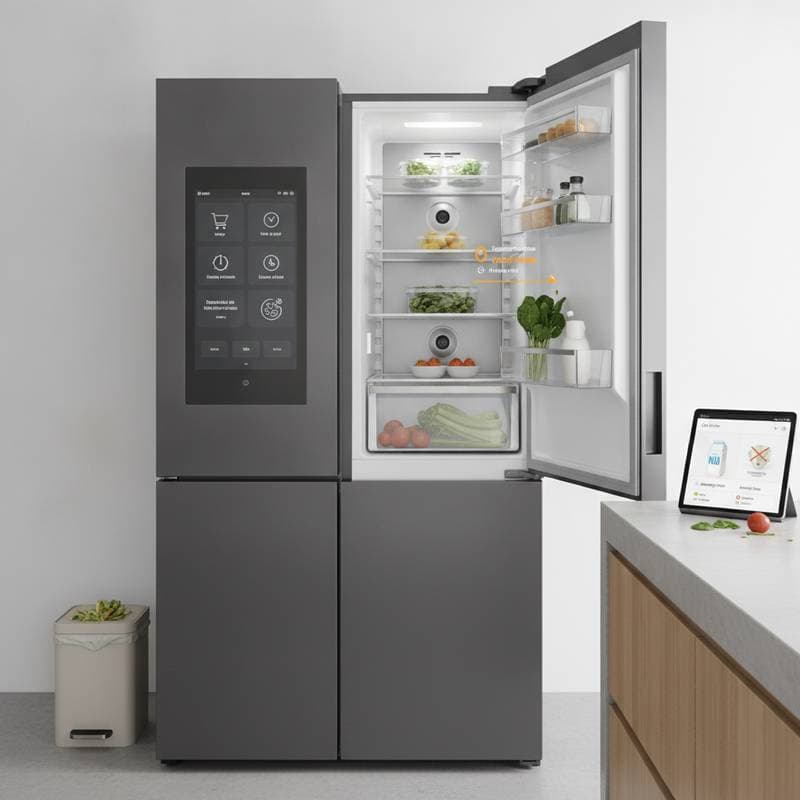
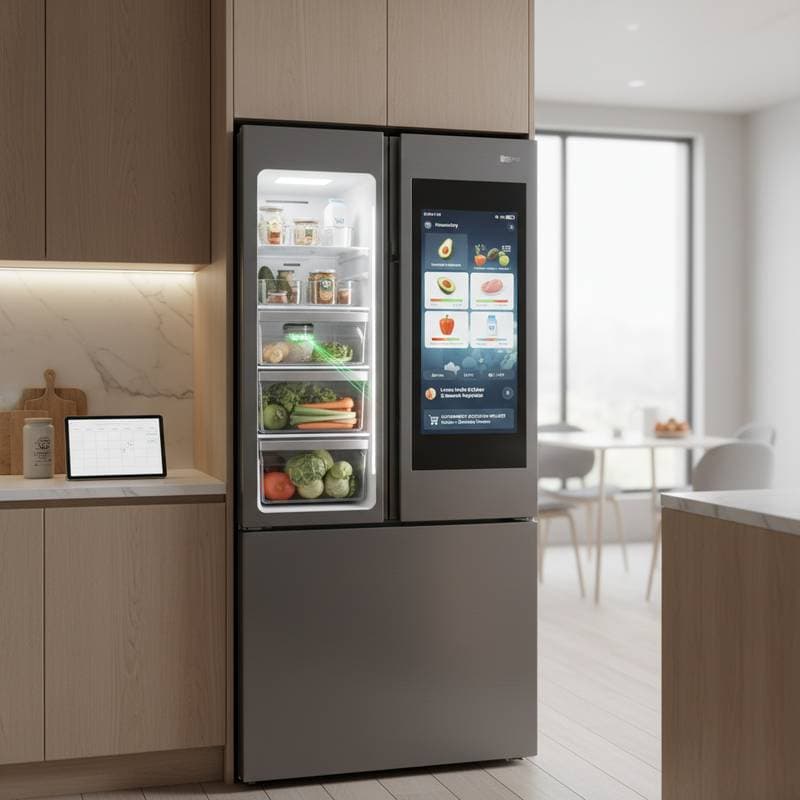
Contemporary smart refrigerators employ internal cameras, sensors, and cloud-based algorithms to monitor stored items. These systems identify products, assess freshness levels, and integrate with extensive recipe databases. When supplies like milk or eggs dwindle, the refrigerator can initiate orders via partnered grocery services without user intervention.
Advanced models generate recipe ideas based on available ingredients. For instance, a refrigerator might detect leftover chicken and propose a fresh salad recipe to prevent spoilage. This level of automation transforms routine tasks into efficient processes, fostering healthier eating habits and simplifying meal preparation.
To maximize benefits, users should calibrate sensors during initial setup and regularly update the connected app. This ensures accurate tracking and personalized suggestions that evolve with household preferences.
Selecting an Appropriate Smart Refrigerator
When considering this technology, evaluate options across various price points to match your needs and budget. The following recommendations highlight reliable models with distinct features.
-
Budget Selection: LG Smart InstaView (approximately $1,800)
This accessible model provides Wi-Fi connectivity, a transparent door display for quick views, and fundamental inventory monitoring. It integrates with virtual assistants like Alexa or Google Assistant for hands-free operation, allowing voice commands to check stock levels or add items to lists. -
Mid-Range Option: Samsung Family Hub (approximately $2,900)
Equipped with a spacious touchscreen interface, internal cameras for visual inventory, and integrated meal planning tools, this refrigerator excels in user interaction. It connects to the SmartThings ecosystem for remote access via smartphone and links directly to services like Instacart for seamless auto-ordering of essentials. -
Premium Choice: GE Profile Smart Refrigerator (approximately $4,200)
This high-end unit features sophisticated food recognition technology, voice-activated recipe guidance, and compatibility with delivery platforms such as Amazon Fresh. Over time, it analyzes usage patterns to refine grocery suggestions, prioritizing frequently purchased items and alerting users to potential waste.
Key Advice: Verify extended software support and app update commitments from retailers, as some provide these benefits exclusively through authorized channels. Confirm the duration of cloud-based features to avoid future limitations.
Essential Factors for Smart Refrigerator Adoption
Adopting a smart refrigerator involves more than enhanced convenience; it requires alignment with your current lifestyle and home setup.
- System Integration: Confirm compatibility with platforms such as Amazon Alexa, Google Home, or Apple HomeKit to enable unified smart home control.
- Network Reliability: Ensure a robust Wi-Fi connection in the kitchen area, as it powers real-time updates and remote functionalities.
- Data Security: Examine the manufacturer's policies on handling images from internal cameras to safeguard personal information.
- Ongoing Upkeep: Anticipate periodic software updates and potential subscription fees for premium recipe databases or delivery partnerships.
Installation typically proves simple, though additional expenses may arise for electrical modifications or Wi-Fi extenders if your kitchen setup demands them. Professional assessment during purchase can prevent such surprises.
Integrating a Smart Refrigerator into Routine Life
After installation, the refrigerator evolves into a proactive kitchen partner that conserves time and minimizes waste. Access weekly meal plans, coordinate grocery deliveries, and receive expiration notifications directly on your mobile device.
For optimal use, establish routines like weekly inventory scans and app synchronization. This practice not only streamlines operations but also encourages mindful consumption.
Whether pursuing a comprehensive automated kitchen or seeking relief from routine errands, these devices deliver tangible improvements. They integrate intelligence into everyday spaces, facilitating meals that nourish without the burden of planning. Embrace this evolution to reclaim time for what matters most.