Imagine a Refrigerator That Anticipates Your Needs
You return home after a demanding day and approach the refrigerator to prepare dinner. Instead of discovering missing ingredients, wilted produce, or expired dairy, everything awaits in perfect condition. Such scenarios once belonged to science fiction, yet advancements in smart kitchen technology now make them routine.
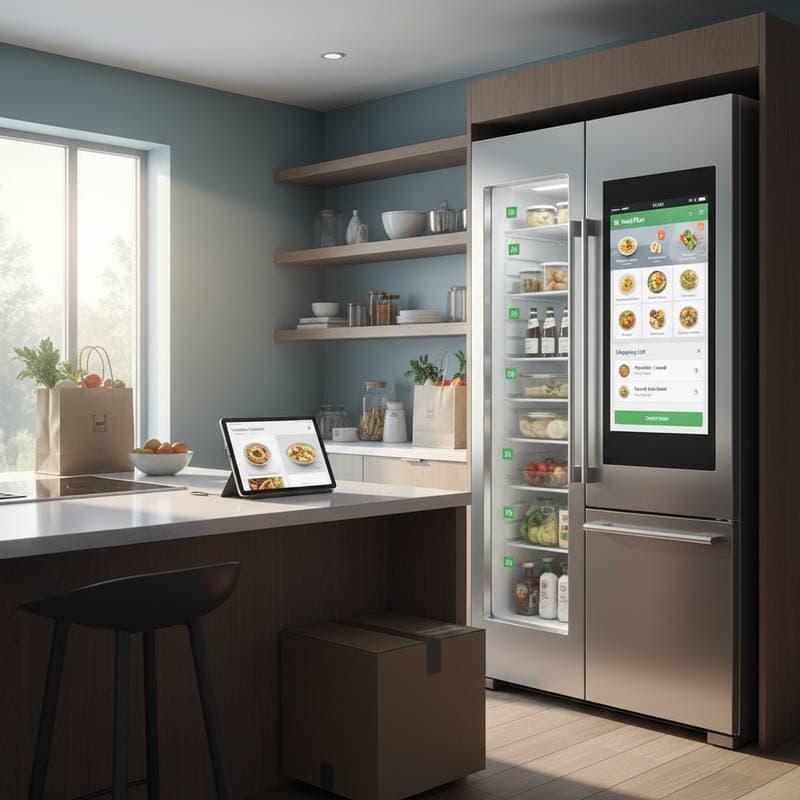
Modern refrigerators equipped with artificial intelligence track inventory in real time, monitor freshness levels, and integrate with meal planning systems. These devices generate recipe suggestions based on available items and automate restocking through grocery delivery services. The result offers a streamlined cooking experience that eliminates common frustrations associated with meal preparation.
The Evolution of Smart Kitchen Appliances
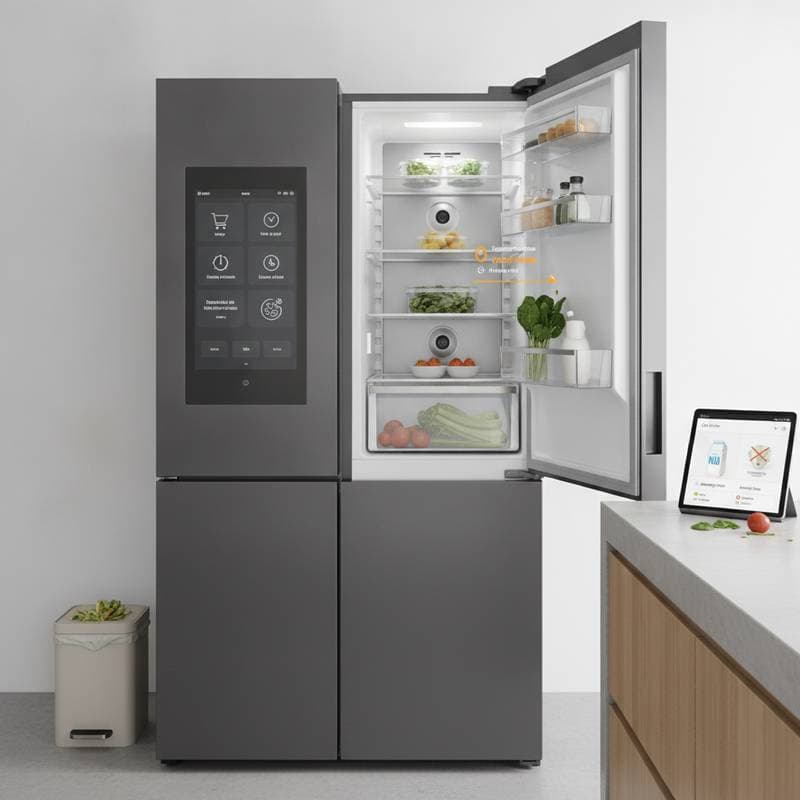
Contemporary smart refrigerators surpass basic features like water dispensers or digital displays. They incorporate high-resolution internal cameras, weight sensors, and connectivity options that enable comprehensive food monitoring. When linked to an AI meal planner, these appliances form an ecosystem capable of analyzing stock, proposing personalized recipes, and initiating purchases without user intervention.
This integration appeals to individuals seeking efficiency in daily routines. Families benefit from reduced food waste and simplified planning, while professionals gain time for other priorities. Overall, the technology fosters healthier eating habits by prioritizing fresh ingredients and aligning suggestions with nutritional objectives.
The Mechanics of AI-Driven Meal Planning
The system operates through a series of interconnected components, including hardware sensors and cloud-based algorithms. Users experience a seamless process divided into key phases that ensure continuous operation.
-
Inventory Detection: Cameras and sensors within the refrigerator identify contents upon placement. Models like the Samsung Bespoke Family Hub Refrigerator, priced at approximately $3,800, maintain an updated list accessible via a dedicated mobile application.
-
Recipe Suggestion: An integrated AI platform, such as Whisk or Yummly Pro, evaluates the current inventory alongside user preferences. It generates meal ideas that utilize items approaching their expiration dates, thereby optimizing resource use.
-
Automated Procurement: As supplies dwindle, the system populates a virtual shopping cart with essentials. Integration with platforms like Amazon Fresh, Instacart, or Walmart+ facilitates prompt delivery, often within hours.
-
Adaptive Learning: The AI refines its recommendations over time by observing consumption patterns, favorite dishes, and scheduling details. Adjustments occur automatically to accommodate changes in dietary needs or household dynamics.
Users often enhance performance by configuring substitution preferences within the application. This setting directs the system to select comparable alternatives when preferred brands prove unavailable, preventing order gaps.
Selecting Compatible Kitchen Equipment
Full automation requires careful selection of appliances that align with existing setups. Considerations include cost, available space, and interoperability with other devices. The following options span various price points and feature sets.
-
Entry-Level Model: The GE Profile Smart Refrigerator, at about $1,700, provides Wi-Fi access, built-in cameras, and compatibility with Amazon Alexa. It excels in inventory management but necessitates manual connections to external recipe tools.
-
Intermediate Option: The LG InstaView ThinQ Refrigerator, costing around $2,800, features a see-through door panel and precise freshness alerts. Through the LG ThinQ application, it supports meal ideation and voice-activated ordering from delivery partners.
-
High-End Choice: The Samsung Bespoke Family Hub Refrigerator stands out for its comprehensive controls, including a central display for recipes, calendars, and direct grocery integration. It serves as a command center for the entire smart home environment.
Compatibility remains paramount during evaluation. Samsung devices pair optimally with the SmartThings platform and Bixby assistant, whereas LG models integrate fluidly with Google Home. Align new purchases with current smart ecosystems to maximize functionality.
Essential Preparations for Implementation
Adopting this technology demands attention to supporting infrastructure and user settings. Proper setup ensures reliability and addresses potential challenges upfront.
-
Secure Network Access: Stable Wi-Fi proves essential for real-time data synchronization. In areas with weak signals, a mesh network extender can extend coverage to the kitchen vicinity.
-
Privacy Management: These devices collect information on purchasing and consumption behaviors. Review and customize data-sharing options in the application to align with personal comfort levels.
-
Account for Ongoing Costs: Premium features on meal planning services or delivery subscriptions may incur fees of $5 to $15 monthly. Factor these into long-term budgeting.
-
Routine Upkeep: Software updates maintain performance and security. Perform them during low-usage periods to minimize inconvenience.
A valuable practice involves capturing inventory snapshots via the device interface before manual shopping trips. This visual aid supports impromptu decisions, complementing automated features for greater flexibility.
Benefits Beyond Convenience
Automated systems deliver advantages that extend to lifestyle improvements. By tracking usage and suggesting balanced options, they promote mindful consumption and reduce excess purchases. Hidden items receive timely attention, curbing waste and supporting sustainable practices.
In family settings, the technology resolves daily meal deliberations, fostering harmony. For individuals, it discourages reliance on convenience foods during busy evenings. Ultimately, the AI learns to anticipate requirements, freeing cognitive resources for more fulfilling activities.
Steps to Integrate This Technology
Transitioning to an automated kitchen begins with foundational elements. Select a refrigerator with robust tracking capabilities and connect it to a complimentary planning application. Gradually enable delivery features as familiarity grows.
Within weeks, routines adapt to the efficiency gains. This approach suits those aiming to minimize produce spoilage or streamline provisioning. The fusion of AI planning and intelligent refrigeration invests in practical enhancements that elevate everyday living.
Prepare to access a refrigerator stocked with fresh essentials, where meal preparation unfolds with minimal effort.
Frequently Asked Questions
How does an AI meal planner track refrigerator contents?
Smart refrigerators employ cameras and sensors to detect items as they enter storage. The associated application receives automatic updates to reflect the current inventory.
What if an ordered item arrives spoiled?
Most delivery services offer guarantees and easy returns. Enable notifications in the app to inspect packages promptly upon receipt.
Can this system accommodate special diets?
Yes, input preferences such as vegan, low-carb, or allergen-free into the planner. The AI tailors suggestions and shopping lists accordingly.