The AI-Powered Fridge: Learning Your Meals and Automating Grocery Orders
Smart homes evolve beyond basic gadgets into integrated systems that predict and fulfill daily requirements. The refrigerator stands at the forefront of this transformation in the kitchen. This appliance now extends beyond temperature control to analyze eating patterns, propose nutritious recipes, and place orders for essential supplies. Such capabilities position the AI-powered fridge as an indispensable household partner, merging meal preparation with seamless procurement.
Core Mechanisms of the AI Fridge
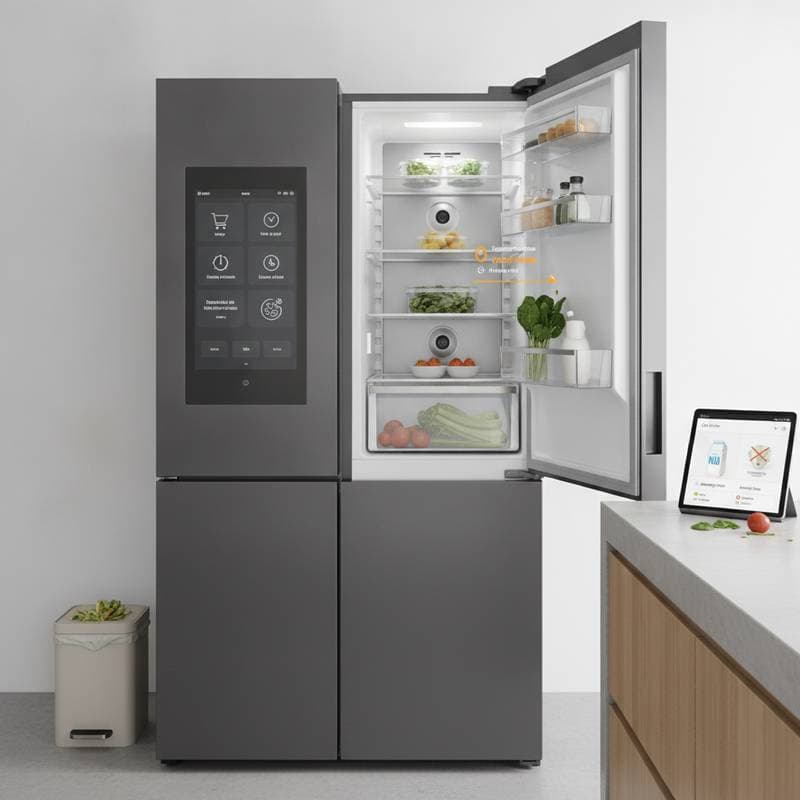
Internal cameras and sensors monitor inventory levels, storage durations, and expiration timelines with precision. Machine learning algorithms process this information alongside user-specific details, including dietary inclinations, serving estimates, and time constraints. The system generates recipe ideas utilizing existing stock and identifies replenishment needs.
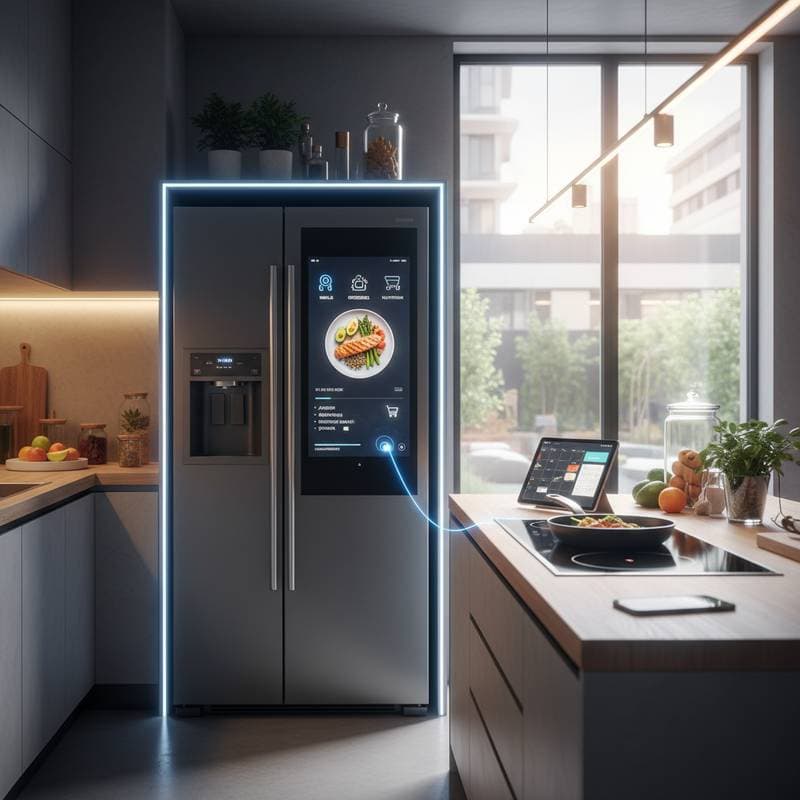
Integration with online grocery services enables automatic list creation and delivery scheduling. Owners review proposed orders via mobile applications or voice interfaces prior to finalization, balancing autonomy with efficiency. This approach removes uncertainties from meal assembly, minimizes spoilage, and eases the cognitive demands of routine planning for occupied families.
Significance in Daily Life
Households frequently encounter food waste and disorganized purchasing routines. Research indicates substantial portions of groceries spoil unused due to oversight. The AI fridge counters this by vigilantly overseeing perishability and prioritizing recipes that incorporate soon-to-expire components.
Personalized wellness trends gain momentum as consumers seek tailored guidance. The device assimilates preferences for regional dishes or health objectives to propose optimized selections effortlessly. This fusion of analytics and mechanization aligns with preferences for tools that ease choices without overwhelming users.
Evolution of Grocery Automation Networks
While linked devices exist, the synergy between kitchen hardware and retail platforms distinguishes current advancements. Collaborations between producers and vendors forge uninterrupted pathways from residence to supplier.
Certain models link to virtual shopping interfaces, permitting additions through spoken directives. Predictive restocking emerges as the advancement, forecasting demands via usage histories. The fridge refines order cadences over periods, mirroring consumption rhythms.
This progression contributes to dynamic supply frameworks responsive to domestic patterns. It advances toward seamless existence, diminishing hands-on interventions in commonplace tasks.
Practical Implementations
Leading manufacturers pioneer these features. Samsung Family Hub units employ interior imaging for stock assessment and culinary guidance. LG ThinQ variants interface with procurement networks, establishing the fridge as a central hub for domestic oversight.
Innovative firms develop adaptable software compatible with diverse hardware. These solutions aggregate inputs from refrigerators, storage monitors, and fitness devices to deliver dietary analyses and programmed procurement rosters.
Consequently, the kitchen operates akin to a dedicated culinary expert and procurement coordinator. Mornings bring customized meal prompts, midday approvals for lists, and evening arrivals of provisions.
Advantages Extending to Wellness and Efficiency
Convenience represents the primary appeal, yet deeper values emerge.
-
Minimized Waste: Vigilance over dates and proactive suggestions ensure fuller utilization of acquisitions.
-
Enhanced Nutrition: Wellness metrics inform selections aligned with targets like macronutrient balance or caloric moderation.
-
Fiscal Prudence: Parameters for expenditures or vendor substitutions capitalize on deals and rewards.
-
Ecological Gains: Judicious tracking curtails excess buys, lowering environmental impacts from discards.
These elements underscore aspirations for supportive innovations that foster intentional lifestyles.
Addressing Implementation Challenges
Appeal exists, but obstacles persist. Premium pricing deters initial uptake, though market maturation promises affordability. Interoperability with varied procurement channels demands standardization for fluid operations.
Data security concerns arise from habit monitoring. Developers implement robust encryption and clear protocols to foster confidence.
Resolution of these issues parallels the rapid acceptance of voice-activated hubs and climate controls, signaling imminent widespread use.
Envisioning Tomorrow's Kitchen Dynamics
Picture accessing a weekly itinerary synced to availability, tastes, and timelines. The fridge coordinates with cooking appliances for timely preparations, alerts wearables on completions, and triggers post-meal restocks.
This interconnected realm elevates domestic mechanization. The kitchen transforms into an intuitive space that alleviates burdens while promoting vitality. Expanding networks among devices promise unified functionalities.
Illustrative Daily Applications
Rushed Starts: Prompt a hasty morning meal from expiring goods and initiate low-stock replenishments.
Communal Evenings: Distribute alerts on family-aligned preparations with scaled servings.
Restricted Regimens: Screen options and rosters to uphold conditions seamlessly.
These instances demonstrate integration into routines as subtle aids, enhancing simplicity without intrusion.
Steps to Integrate Adaptive Kitchen Systems
Select hardware within versatile frameworks for broad device and service connectivity. Pair with recurring delivery plans to leverage efficiencies and incentives.
Initiate with basic features like recipe generation and list drafting, progressing to autonomous modes as familiarity builds. Iterative interactions refine predictive accuracy, tailoring to evolving needs.
Sustaining an Intuitive Culinary Environment
Adaptive kitchens demand occasional oversight to maintain relevance. Review order histories periodically to calibrate preferences and exclude redundancies. Update integrations as new services launch to sustain seamlessness.
This ongoing refinement ensures the system evolves with lifestyle shifts, delivering sustained value through proactive support.