Imagine Coming Home After a Long Day
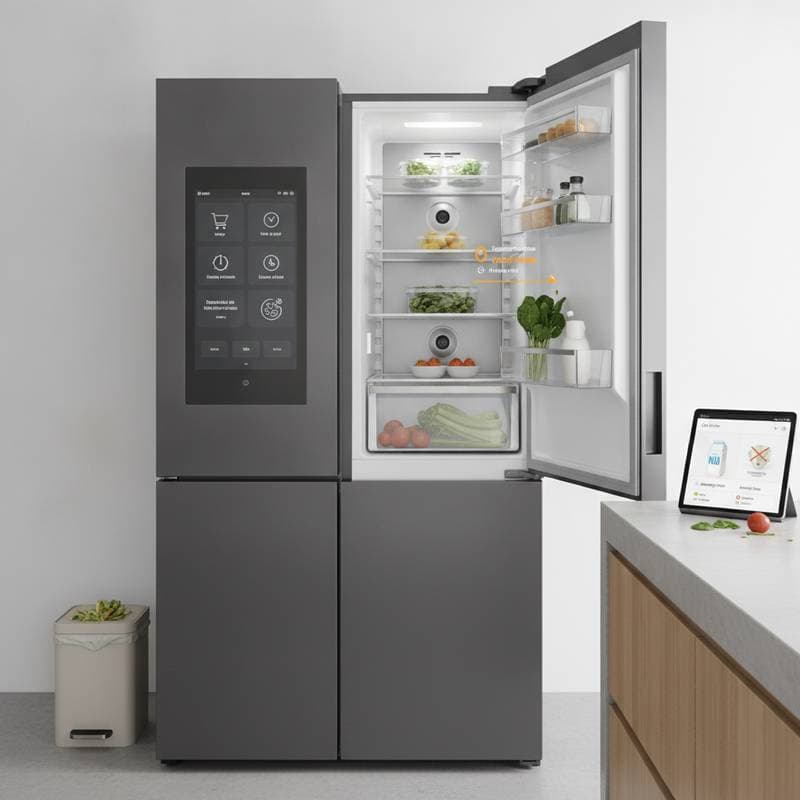
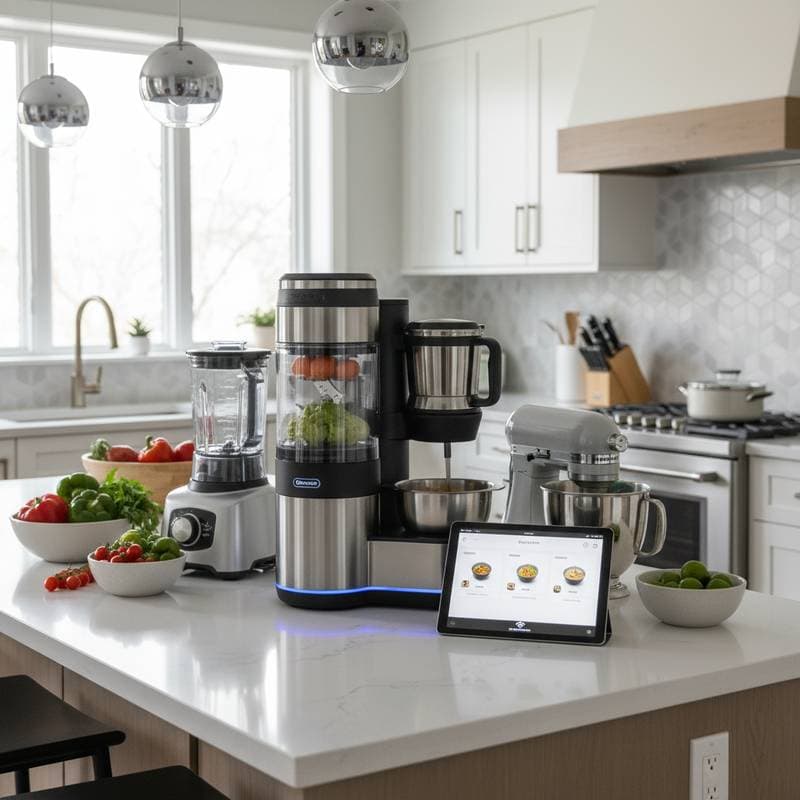
You open the refrigerator and survey the ingredients inside, pondering what meal to prepare. The prospect of chopping vegetables, stirring pots, and scrubbing dishes seems daunting. Consider instead loading those ingredients into a compact countertop robot, selecting a program, and allowing the device to manage the process while you unwind or attend to other tasks. This scenario represents current reality, as smart kitchen robots priced under $500 deliver such convenience.
Challenges in Home Cooking
Preparing meals at home promotes better health and lower costs compared to dining out, yet it requires significant time, effort, and expertise. Tasks such as planning, prepping, and cleanup often lead individuals to opt for takeout more frequently than desired. Even with enthusiasm for weekend cooking sessions, the demands of busy weekdays diminish motivation.
Kitchen automation addresses these issues effectively. Contemporary smart appliances perform chopping, stirring, cooking, and self-cleaning functions. The newest budget models under $500 produce complete meals with limited user intervention, offering compactness, efficiency, and impressive capabilities.
Overview of Kitchen Robots
These devices merge precise sensors with automation features to handle blending, stir-frying, steaming, and sautéing through pre-set recipes. For less than $500, users acquire a versatile unit that substitutes multiple small appliances, thereby conserving time, minimizing waste, and supporting nutritious eating without elevating food expenses.
The key benefit involves simplifying intricate techniques. Devices manage temperature and timing for dishes like risotto, soups, or seared vegetables, rendering cooking accessible to all skill levels.
Defining a Kitchen Robot
A kitchen robot extends beyond a basic blender; it incorporates smart sensors, accurate heating, and automated mechanisms for stirring or chopping, functioning as a tireless assistant.
Top models under $500 manage these tasks:
- Kneading dough for bread or pizza
- Preparing soups, sauces, and stews
- Sautéing vegetables or proteins
- Blending smoothies, dips, and spreads
- Steaming rice or vegetables
- Whipping creams or batters
Certain units link to Wi-Fi for recipe downloads, with advanced versions adapting times based on ingredient volume or temperature data.
Useful Feature
Select models permit saving custom recipes, enabling users to store personalized sequences. This capability evolves the device into a tailored recipe repository that recalls specific preferences.
Recommended Models Under $500
Examine three exemplary options that provide reliable automation and results.
1. Instant Pot Duo Crisp with Ultimate Lid ($249)
This unit builds on pressure cooking by adding air frying and sautéing via a unified lid. The touchscreen delivers guided modes for everyday recipes, allowing preparation of roasted vegetables, stews, or rice bowls without appliance changes.
It excels by substituting up to ten tools, ideal for compact spaces like apartments.
2. Ninja Foodi SmartLid Multi-Cooker ($349)
Featuring 14 functions including steam-crisping and slow cooking, this model includes a real-time thermometer for uniform outcomes. The SmartLid slider facilitates seamless mode transitions.
Practical Application
The system suits meal preparation; load ingredients in the morning, activate a delay timer, and find dinner ready upon return.
3. CHEF iQ Smart Cooker ($449)
Wi-Fi enabled and app-integrated, it offers guided recipes that automate temperature adjustments. Built-in scales weigh ingredients in the pot for precision.
This design delivers professional accuracy in a small footprint, with scales ensuring measurements that minimize errors and enhance consistency.
Selecting the Ideal Model
Evaluate options based on these elements:
- Capacity: Choose 6 quarts for families; 4 quarts fits singles or couples.
- Functions: Prioritize relevant modes, such as dough kneading only if baking frequently.
- Cleaning: Seek dishwasher-safe, nonstick components to maintain ease.
- Connectivity: Wi-Fi enables updates and recipe additions, prolonging usability.
- Safety: Confirm features like pressure release, cool handles, and auto-shutoff for secure operation.
Costs and Long-Term Value
A quality kitchen robot under $500 lowers overall food spending by encouraging home meals over delivery. Weekly takeout accumulates expenses rapidly; automation facilitates affordable, healthy alternatives.
Budget allocations include:
- $250–$300 for entry-level units
- $350–$400 for multi-mode mid-tier options
- $450–$500 for app-enhanced premium models
These consolidate slow cookers, steamers, rice cookers, and air fryers, freeing counter space and decluttering kitchens.
Upkeep Expenses
Maintenance remains low; replacement seals cost $10–$20 and endure years. Firmware updates occur at no charge.
Maximizing Device Performance
Initial sessions may seem novel; begin with app or manual recipes to grasp controls. As familiarity grows, incorporate personal recipes.
Starter Advice: Employ pre-chopped or frozen items to simplify early trials and master timing.
Progression Tip: Batch-cook soups or curries for freezer storage; the unit reheats portions effortlessly.
Expert Suggestion: Customize programs by tweaking heat and stirring for techniques like reductions or caramelization.
Core Technologies
Precise sensors, induction heating, and algorithms enable continuous monitoring and adjustments for reliable results without oversight.
Wi-Fi and Bluetooth integration heightens functionality; units like the CHEF iQ suggest modifications via app notifications.
Additional Benefit
These devices sterilize jars or bottles through steam, eliminating the need for dedicated tools.
Integration with Home Systems
Verify alignment with smart ecosystems; compatible models support Alexa or Google Home for voice commands.
Pair with smart plugs to monitor energy use, revealing cooking efficiency.
Key Practical Aspects
Placement and Airflow
Position on heat-safe surfaces with two inches of surrounding clearance for ventilation.
Operational Safety
Supervise initial runs despite locks; seal lids securely for pressure functions.
Setup Duration
Unpack and begin immediately; confidence builds within one to two weeks.
Power Usage
Drawing 1000–1500 watts akin to microwaves, they promote efficiency over multiple stovetop uses.
Rising Popularity and Benefits
Households increasingly seek routine simplifications, making kitchen automation attractive. These tools preserve cooking enjoyment by alleviating tedium, allowing focus on innovation.
Precision from sensors guarantees reproducibility; recreate favored dishes accurately, a feature once limited to commercial settings.
Enhancing Skills with Automation
Though suitable for novices, experienced cooks value the reliable foundation for trials like sauces or multi-component recipes.
Reliable performance shifts meal planning; explore new cuisines or weekly menus with the device as an ally.
Steps to Upgrade Your Kitchen
Identify frequent recipes and align with device functions, such as pressure for soups or kneading for baking.
Establish a budget and monitor promotions; bundles or sales often position premium units under $500.
Common Questions
What distinguishes a kitchen robot from a standard appliance? It automates multiple steps with sensors and connectivity, far beyond single-function tools.
Are these safe for daily use? Yes, with built-in safeguards like auto-shutoff, though initial supervision is advisable.
How much time do they save? Users report halving prep and cleanup, freeing 30–60 minutes per meal.
Can beginners operate them? Absolutely; guided apps provide step-by-step instructions.
Do they work without Wi-Fi? Basic functions operate offline, but connectivity unlocks recipes and updates.