Smart Fridges Track Eating Habits to Automate Restocking
The kitchen serves as the heart of the home, and now it functions as the brain as well. Smart refrigerators advance beyond basic cooling units with touch screens. They emerge as predictive grocery assistants that monitor consumption, identify preferences, and replenish essentials before shortages occur. This development reshapes food management, convenience, sustainability, and everyday routines.
The Emergence of Predictive Kitchens
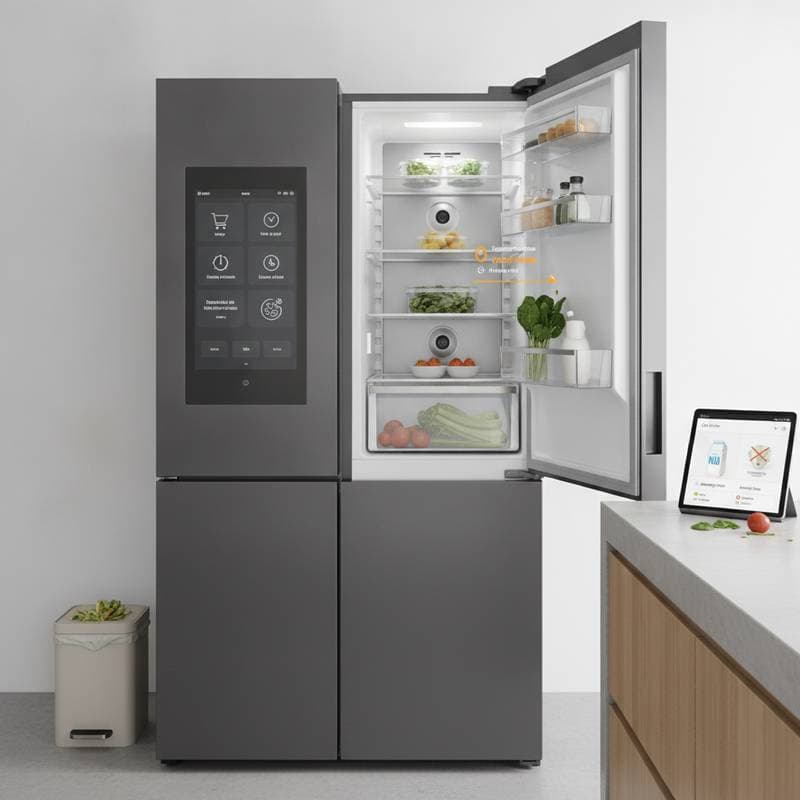
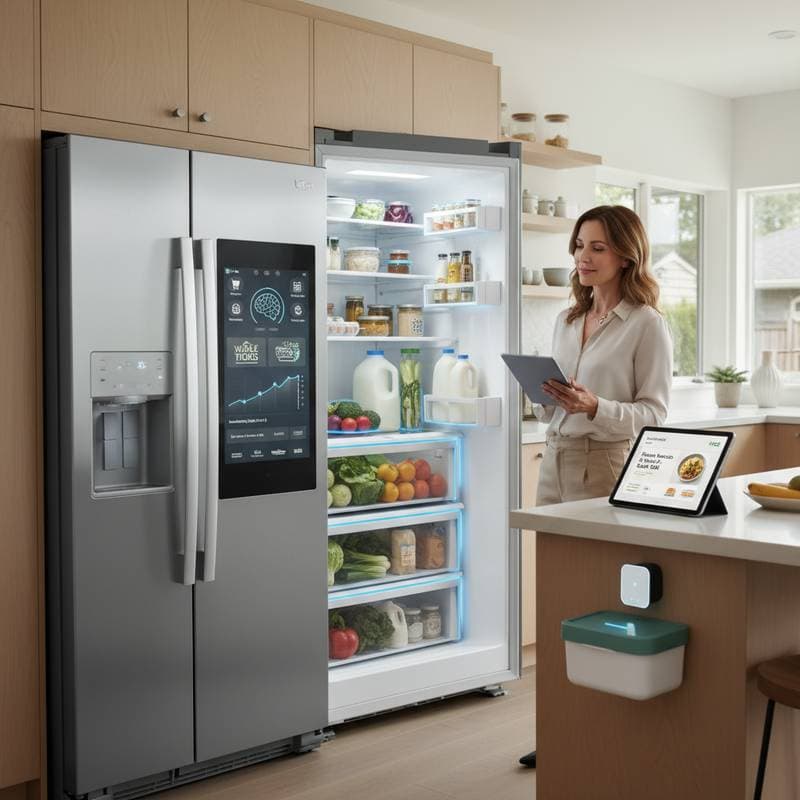
Adoption of smart home devices accelerates as individuals pursue interconnected environments that conserve time and minimize effort. The kitchen emerges as a key area for automation. Consumer surveys indicate that refrigerators rank as the top smart appliance due to their central role in storage, planning, and procurement. Advanced models incorporate cameras, sensors, and artificial intelligence to inventory contents, monitor expiration dates, and compile shopping lists automatically.
Mechanisms of Habit-Driven Replenishment
Consider accessing your refrigerator to find milk, eggs, and vegetables already replenished after the system detected low levels. Such scenarios represent current reality rather than distant fantasy. These systems process consumption data through internal cameras, barcode readers, and linked retailer accounts. The refrigerator identifies purchase frequency for specific items and forecasts replenishment needs.
Orders proceed via preferred retailers, aligned with delivery or pickup schedules. Pattern recognition drives this process without requiring manual entries. For instance, if three milk cartons suffice for a week, the system alerts at the final carton and initiates reordering. Models adjust for seasonal variations, such as increased fresh produce in summer or hearty soups in winter. Accuracy improves over time, which curbs waste and maintains staple availability.
Personalized Convenience in Daily Use
A smart refrigerator managing grocery lists delivers unparalleled ease. It eliminates urgent store visits or overlooked ingredients during meal preparation. The technology integrates routine tasks into effortless operations, allowing focus on cooking, leisure, or family interactions.
Beyond restocking, systems propose recipes from existing inventory. Presence of chicken, peppers, and rice might prompt a stir-fry suggestion. Personalization simplifies planning and diminishes waste risks.
Innovations from Leading Brands and Startups
Prominent appliance manufacturers introduce refrigerators with embedded cameras and inventory systems. Certain models link directly to grocery platforms for seamless reorders from major online services. Integration with voice assistants enables verbal additions or purchase confirmations.
Startups explore subscription models where refrigerators interface with suppliers. A connected water filter, for example, reorders cartridges upon detecting flow reduction. Beverage compartments restock preferred sparkling water when quantities fall below thresholds. These integrations shift connected appliances from experimental tools to essential aids.
Reducing Waste Through Intelligent Inventory
Automatic reordering holds strong potential to combat household food waste, often stemming from excess purchases or overlooked stock. Tracking quantities and expirations allows timely alerts or recipe ideas for items nearing spoilage.
Coupled with automated orders, the refrigerator optimizes supply against demand. Procurement matches precise needs and timing, which preserves resources, lowers expenses, and reduces disposal burdens.
Addressing Challenges to Widespread Use
Automated reordering encounters obstacles despite its attractions. Privacy ranks as a primary concern, with users questioning data collection and application. Manufacturers respond with on-device processing or secure cloud options, empowering users to manage shared information.
Premium pricing distinguishes smart refrigerators from conventional ones. However, technological advancements and market rivalry gradually lower costs. Many view these units as worthwhile investments yielding returns in efficiency and conservation.
Interoperability proves essential. Effective reordering demands harmony among refrigerators, retailers, and delivery networks. Evolving smart home protocols facilitate this communication, enhancing user experiences.
Transformations in Kitchen Routines
Smarter refrigerators influence daily practices. Grocery acquisition evolves from periodic errands to subtle, digital oversight. Planning gains flexibility with reliable staple access. Busy households appreciate the relief from routine burdens.
Wellness integration grows prominent. Nutritional tracking supports dietary balance. Synchronization with health applications recommends items aligning with goals, such as lower sugar or higher protein. The kitchen thus aids not only storage but also vitality.
Implications for Retail and Consumers
Retailers gain novel engagement channels through automated ordering. Direct appliance connections enable proactive interactions over passive visits. Opportunities arise for tailored promotions, loyalty incentives, and demand forecasting.
Consumers access efficiencies like bulk pricing and subscriptions without surplus risks. The refrigerator links households to supply chains, rendering procurement dependable yet unobtrusive.
Maintaining User Oversight in Automation
Advanced systems prioritize user input. Platforms typically require purchase approvals or impose budget caps. Adjustments, pauses, or supplier changes occur via mobile or voice interfaces.
This equilibrium fosters confidence. Independent actions might seem overreaching, yet collaborative learning positions the refrigerator as a supportive ally. Design emphasis on empowerment sustains adoption.
Anticipating Household Needs
Smart refrigerator progress aligns with homes that foresee requirements. Enhanced sensors, networks, and algorithms enable appliance collaboration for inventory harmony and tailored meal ideas. Coordination with ovens, pantries, and applications aligns with schedules and preferences.
Embracing Seamless Daily Support
Future home innovations emphasize understated intelligence over elaborate interfaces. Mature systems ensure essentials like milk or ingredients remain accessible, rendering shortages relics of the past. This foundation elevates lifestyle through reliable, anticipatory assistance.