AI Refrigerators That Plan Meals and Order Groceries
Smart homes advance past basic voice controls and automated lights. Innovation now centers on the kitchen, where refrigerators gain the ability to analyze, forecast, and procure items independently. These AI-powered refrigerators transcend simple storage; they function as proactive culinary assistants that organize meals, monitor supplies, and replenish stocks automatically. Such developments reshape interactions with food and household efficiency.
The Evolution of the Smart Refrigerator
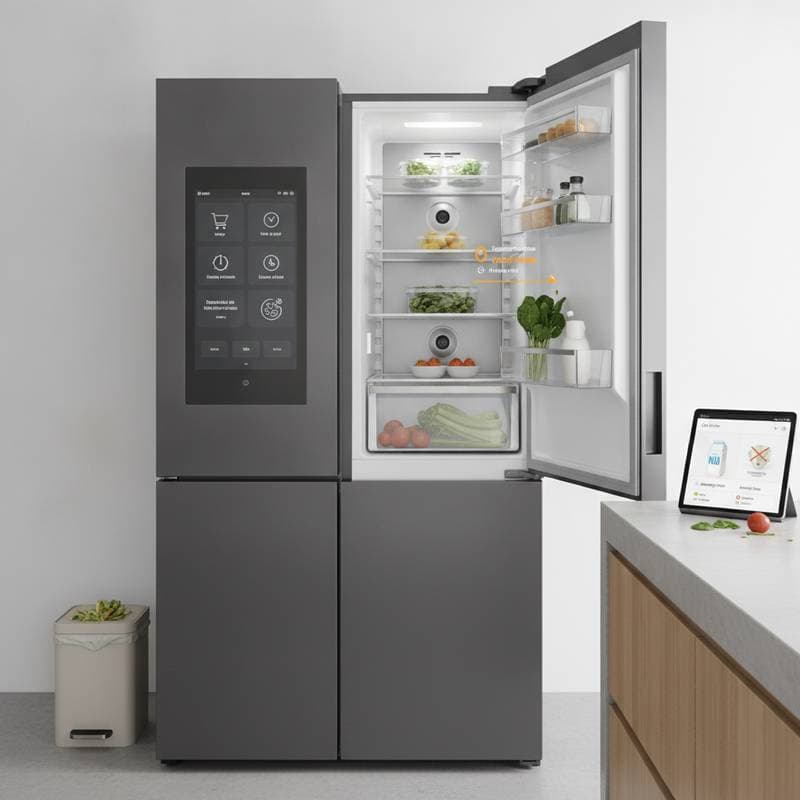
Initial smart refrigerators emphasized basic connectivity. They featured touchscreens, app-based temperature adjustments, and internal cameras for remote viewing during shopping trips. These elements have evolved into advanced systems that examine contents, propose recipes, and maintain shopping inventories. Computer vision identifies stored items, while machine learning algorithms review family consumption trends.
This progress extends beyond hardware advancements. It mirrors consumer preferences for streamlined operations and reduced effort. Research indicates that individuals prioritize appliances that foresee requirements. Rather than compiling lists manually or browsing recipe applications, people depend on one integrated unit to handle these processes.
How AI Meal Planning Functions
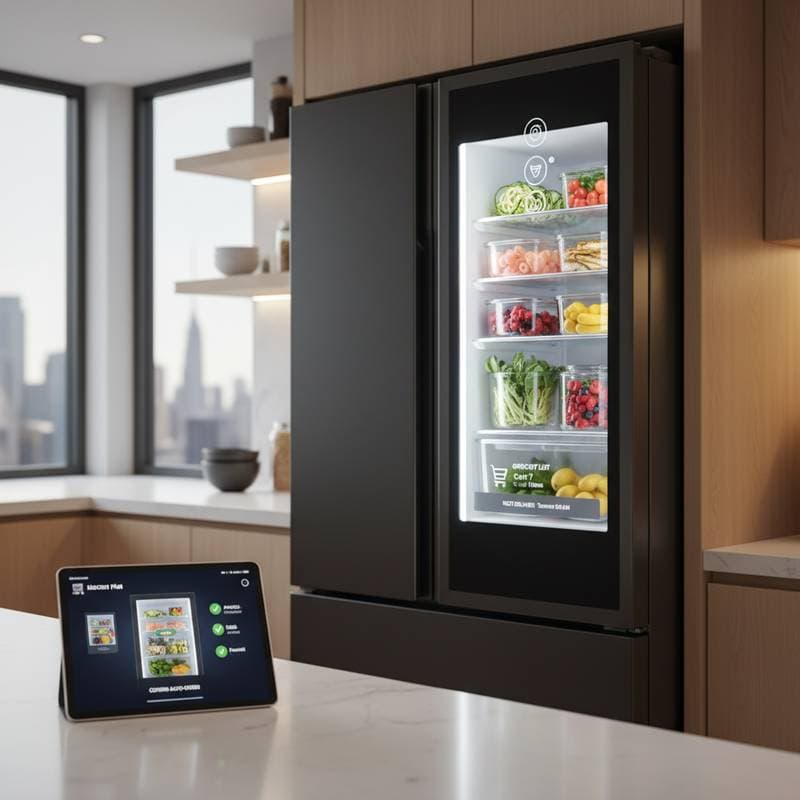
Meal planning presents frequent challenges. Coordinating nutrition, tastes, and existing supplies often resembles solving a puzzle each day. AI refrigerators address this by serving as dedicated planners. Internal cameras and sensors inventory contents, which integrate with extensive recipe libraries to generate suggestions utilizing available materials, thereby cutting waste and costs.
Advanced models accommodate specific diets. For instance, they adjust for vegetarian requirements or reduced sugar intake. The system refines proposals by observing eating habits over time. Beyond mere suggestions, it establishes a structured approach to food preparation aligned with individual schedules.
Practical implementations appear in products like Samsung Family Hub and LG Smart InstaView. These provide recipe displays, expiration alerts, and list synchronization with shopping platforms. Such capabilities illustrate artificial intelligence progressing from routine tasks to customized support.
Grocery Ordering Without Effort
Automatic grocery ordering stands as the most forward-thinking aspect of AI refrigerators. Upon detecting low levels of staples such as milk, eggs, or fresh produce, the unit initiates purchases via affiliated services. This removes the necessity for constant monitoring or impromptu errands.
Predictive analytics enable this functionality. The refrigerator monitors usage speeds and projects depletion timelines for particular goods. It modifies orders according to scheduled meals; for example, preparing for a pasta dish ensures appropriate components arrive without excess acquisition.
Partnerships with Amazon, Walmart, and local chains test delivery linkages to intelligent devices. These connections suggest a trajectory where kitchens actively sustain inventory levels.
Lifestyle Advantages
AI refrigerators deliver more than mere ease. They influence perspectives on nutrition, wellness, and environmental responsibility.
-
Minimized Food Waste: Monitoring expiration and utilization patterns prevents spoilage. Alerts for using items like spinach promptly or recipes incorporating remaining chicken prove effective.
-
Promoted Healthier Choices: Nutritional data within the system directs toward equilibrated selections. Certain units compute caloric content or recommend substitutions for better options.
-
Increased Time Efficiency: Automating planning and procurement frees hours from routine chores. Families gain opportunities to pursue priorities.
-
Enhanced Budget Management: Structuring meals from current stocks and avoiding redundancies controls spending effectively.
These gains support trends in intentional lifestyles. Individuals seek residences that facilitate tasks while advancing health and ecological objectives.
Addressing Obstacles and Privacy Issues
Connected appliances prompt concerns regarding data security and expense. Users question the handling of details like food images, purchase inclinations, and usage records, which disclose personal behaviors. Companies counter with robust encryption and transparent controls, safeguarding information for operational enhancements only.
Cost represents a further barrier. Premium units with sophisticated sensors and intelligence command higher prices than conventional models. However, technological refinement and wider acceptance should lower costs. Many regard the upfront expenditure as justified by enduring efficiencies.
Interoperability poses additional hurdles. Not every service or database integrates fluidly. Emerging protocols like Matter facilitate cross-brand compatibility, enabling smoother device interactions.
Integration Within the Kitchen Network
AI refrigerators form components of expansive smart kitchen arrays, encompassing ovens, ranges, and washers that exchange data. Consider a scenario where the refrigerator proposes a dish, the oven activates heating in advance, and the dishwasher tailors cycles to patterns. This unified method converts the kitchen into a synchronized, perceptive space.
Experts forecast kitchens as primary smart home cores. They merge essential functions with intricate choices, ideal for applied artificial intelligence. The refrigerator, as the foundational element, drives this development.
Everyday Usage Insights
Homeowners find AI refrigerators integrate seamlessly into routines. Interfaces mimic mobile devices, offering touch interfaces and voice commands. Adjusting settings, verifying supplies, or confirming orders occurs via the front panel or linked application.
The primary advantage, according to users, involves reassurance. Concerns over milk shortages or overlooked lists vanish. The appliance manages these elements discreetly, evolving into a reliable ally attuned to family dynamics.
Essential Features for Purchase Decisions
When evaluating an upgrade, prioritize these attributes:
-
Accurate Item Detection: Select models with precise cameras and sensors capable of recognizing diverse products.
-
Seamless Recipe Connectivity: Ensure compatibility with favored platforms for effective planning.
-
Supported Delivery Networks: Verify local service integrations prior to selection.
-
Order Oversight Options: Confirm mechanisms to review and adjust purchases, preventing surprises.
-
Ongoing Software Enhancements: Opt for manufacturers providing frequent updates to sustain performance.
These elements guarantee long-term utility amid technological progress.
Embracing an Intelligent Kitchen Routine
AI refrigerators mark a pivotal advancement in adaptive, anticipatory residences. Enhanced linkages and growing popularity will normalize these tools alongside common devices like televisions or assistants.
Envision entering the kitchen with meals outlined, supplies verified, and deliveries en route. Daily food management tensions dissolve into effortless flow.
Intelligent homes develop as responsive spaces tailored to inhabitants. The AI refrigerator exemplifies this fusion of innovation and practicality, ideal for those pursuing streamlined, nutritious, and sustainable living.