Robot Vacuums Now Detect Leaks and Mold Before Damage
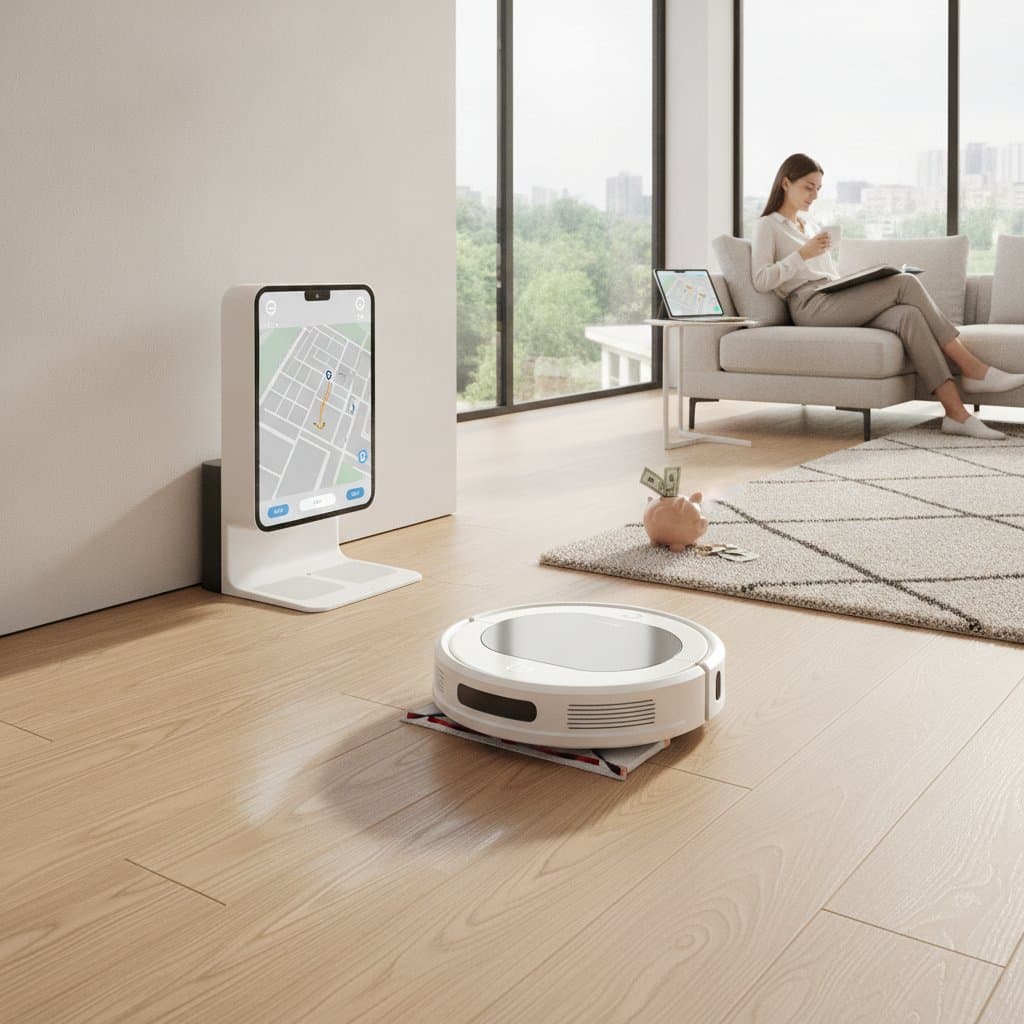
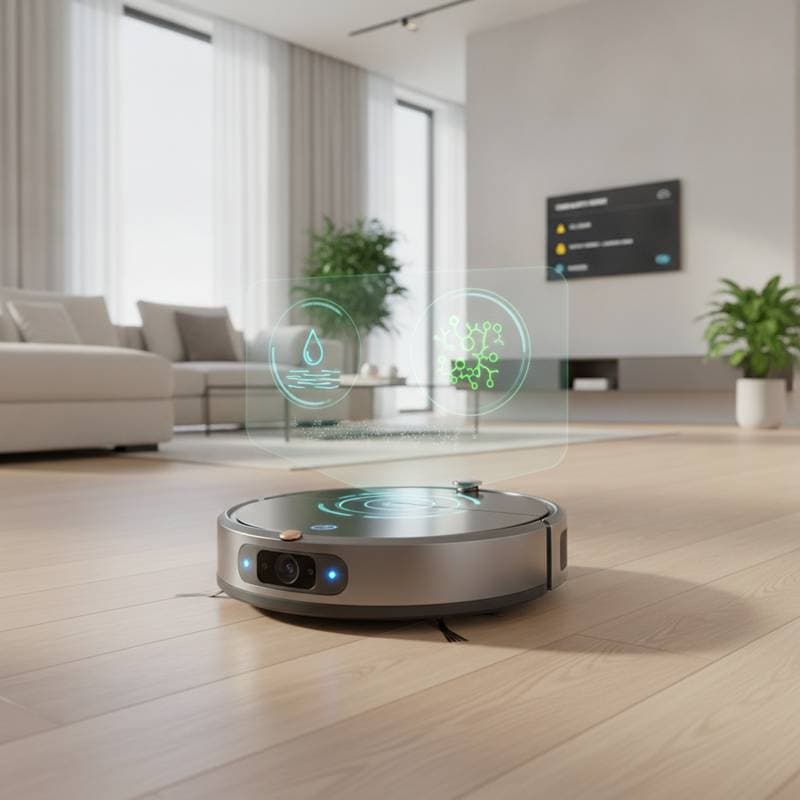
Robot vacuums now serve as early warning systems. Equipped with cameras and environmental sensors, they identify moisture, heat, and air quality issues during routine cleaning.
•4 min read
Loading...
Showing articles 13 - 24 of 618
Robot vacuums now serve as early warning systems. Equipped with cameras and environmental sensors, they identify moisture, heat, and air quality issues during routine cleaning.
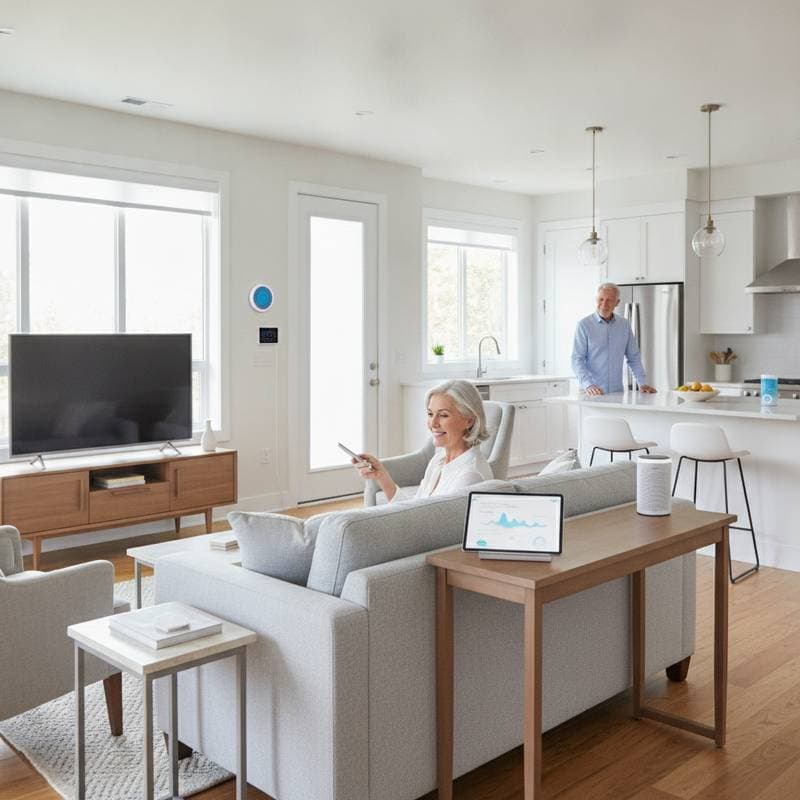
Medicare now covers select smart home technologies that support safe aging in place. Motion lighting, health sensors, and integrated systems enhance independence when properly documented and installed.
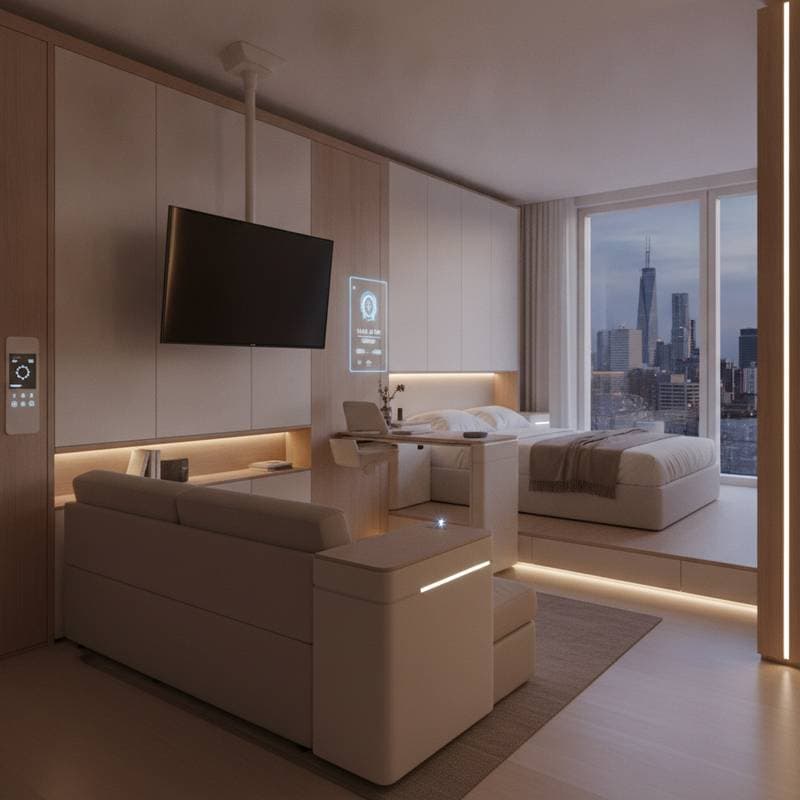
Robotic furniture turns static rooms into adaptive spaces that expand, retract, and transform with simple voice commands. These modular systems maximize space, support sustainable living, and integrate with existing smart assistants.
Predictive maintenance in smart appliances now identifies potential failures up to three months before they occur through continuous sensor monitoring and cloud analysis.
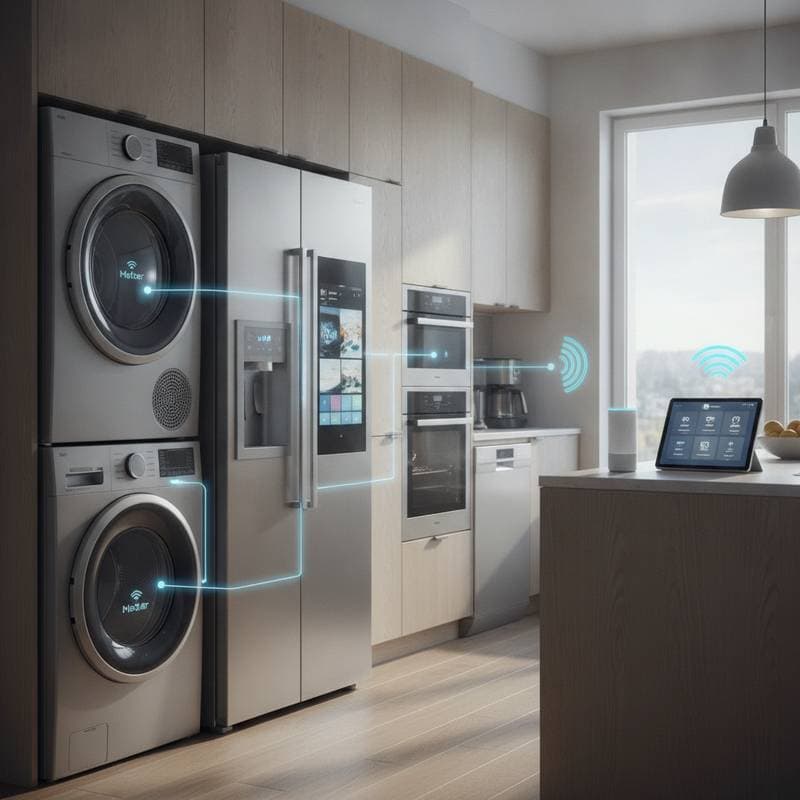
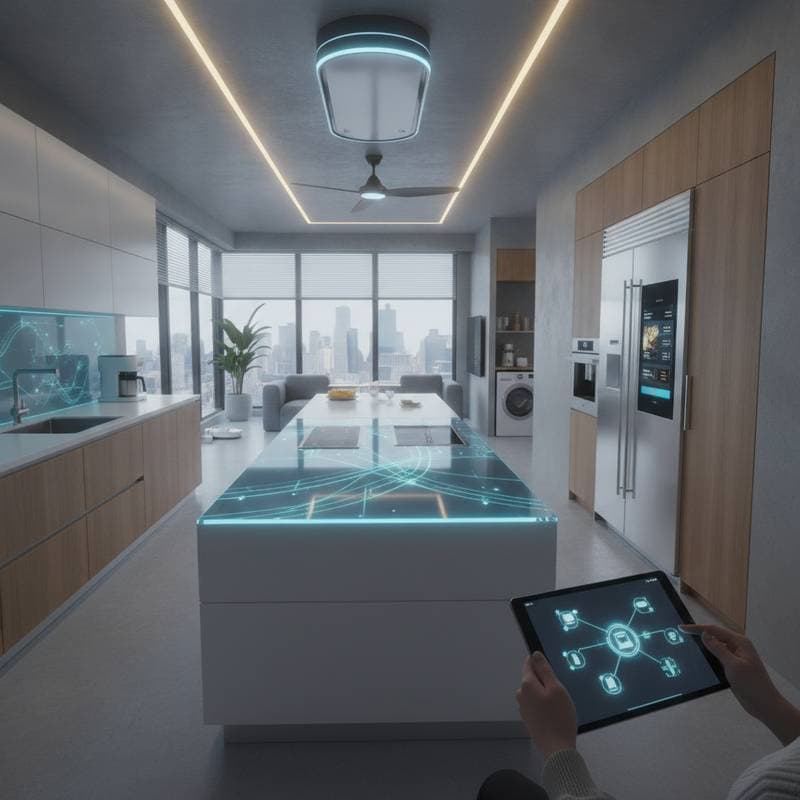
Smart appliances now connect directly via Wi-Fi, Bluetooth, or Matter. This approach removes hubs, reduces clutter, and improves compatibility while maintaining energy efficiency.
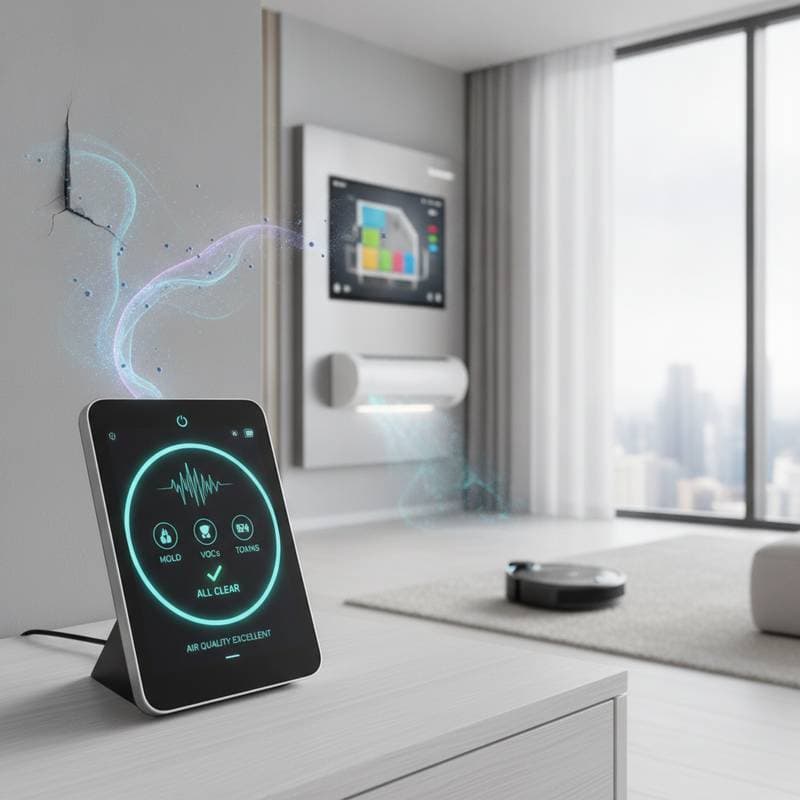
Smart air quality systems use advanced sensors to identify hidden mold, VOCs, and pollutants that affect indoor health. These connected devices monitor conditions in real time and integrate with smart home systems to prevent issues before they develop.
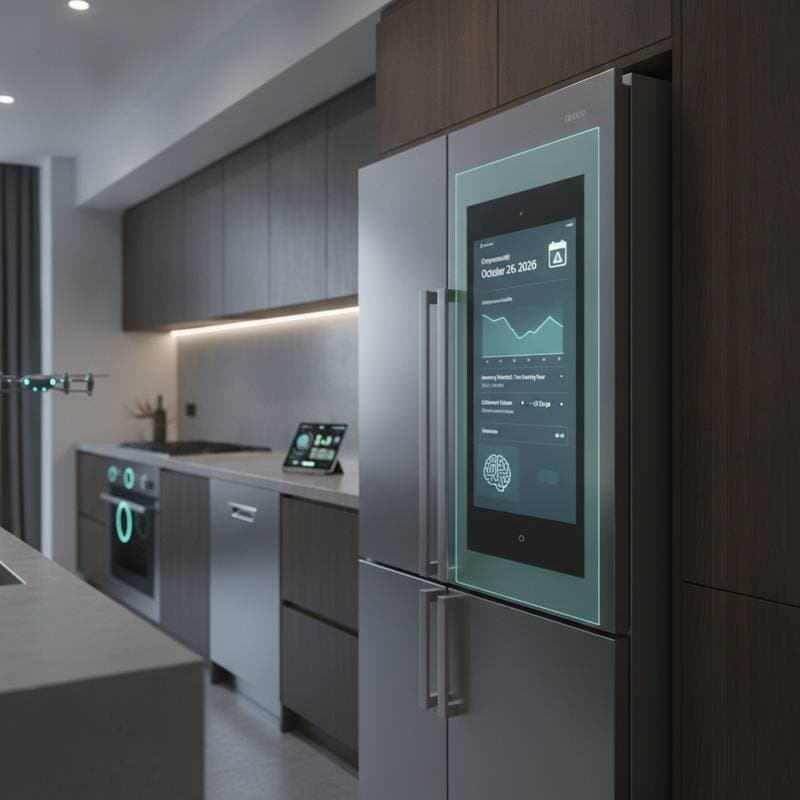
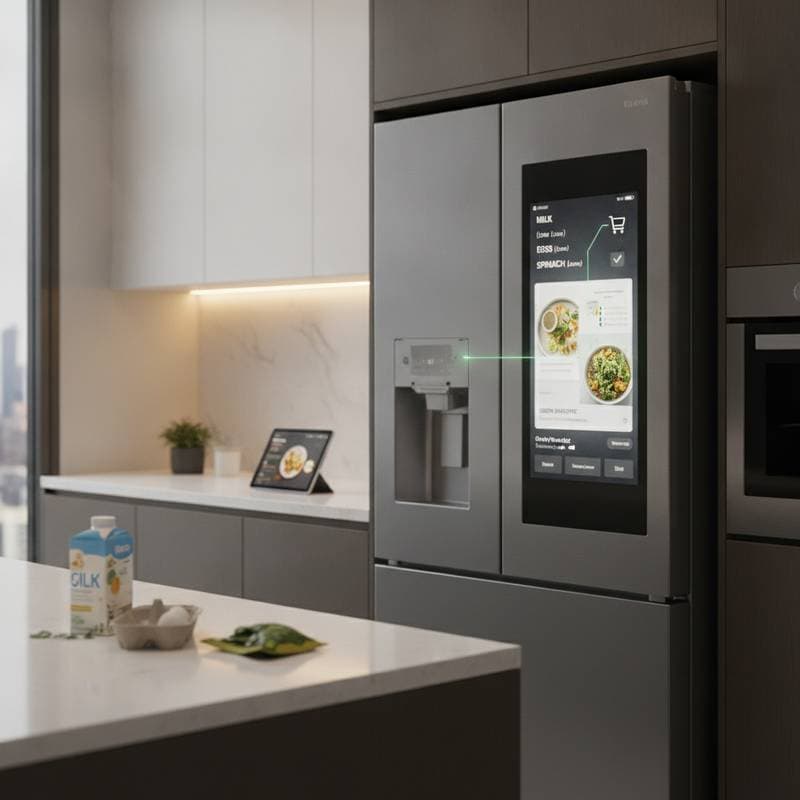
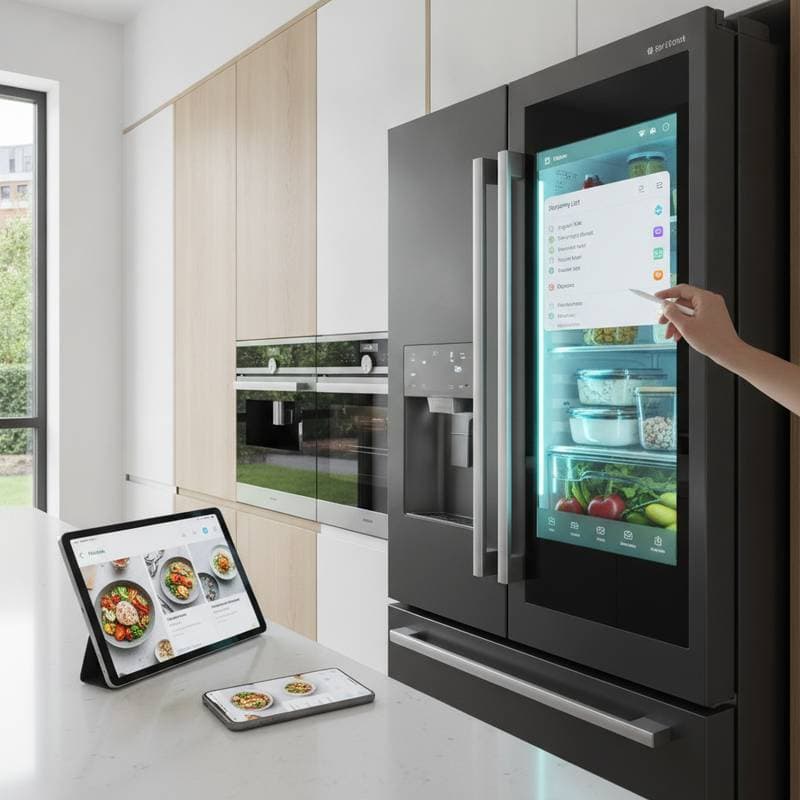
Smart refrigerators monitor contents, integrate with recipes, and reorder essentials through connected services. Models range from basic inventory apps to full command centers that reduce waste and simplify planning.
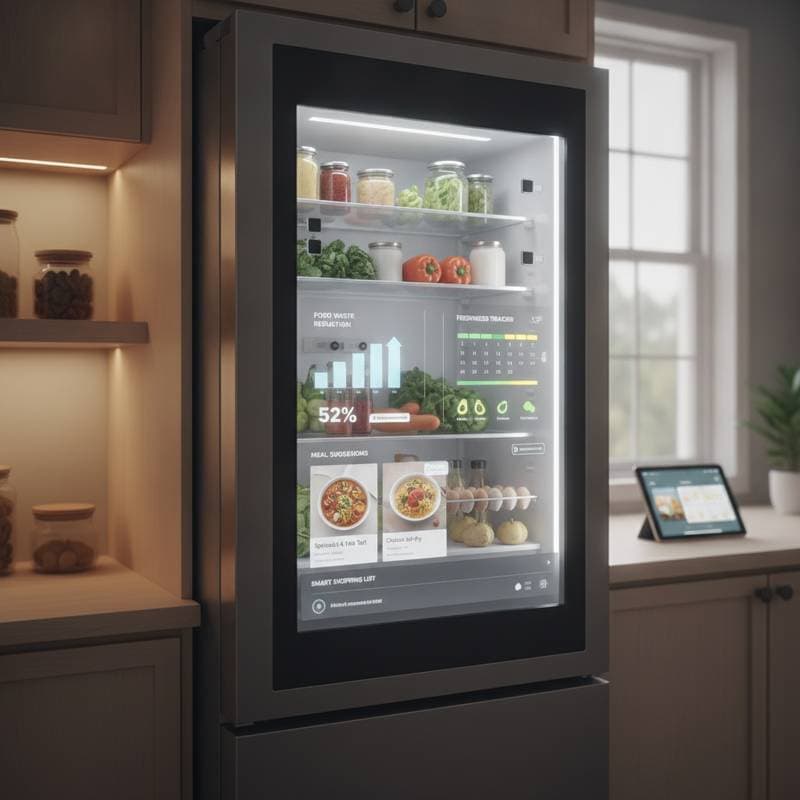
AI-powered smart refrigerators cut food waste by half through real-time inventory tracking, predictive freshness alerts, and recipe suggestions that help households shop smarter and cook more efficiently.
Adaptive home office lighting reduces eye strain by up to 70 percent through automatic adjustments in brightness and color temperature. These systems improve focus, support better sleep, and reduce energy costs while creating a workspace aligned with natural rhythms.
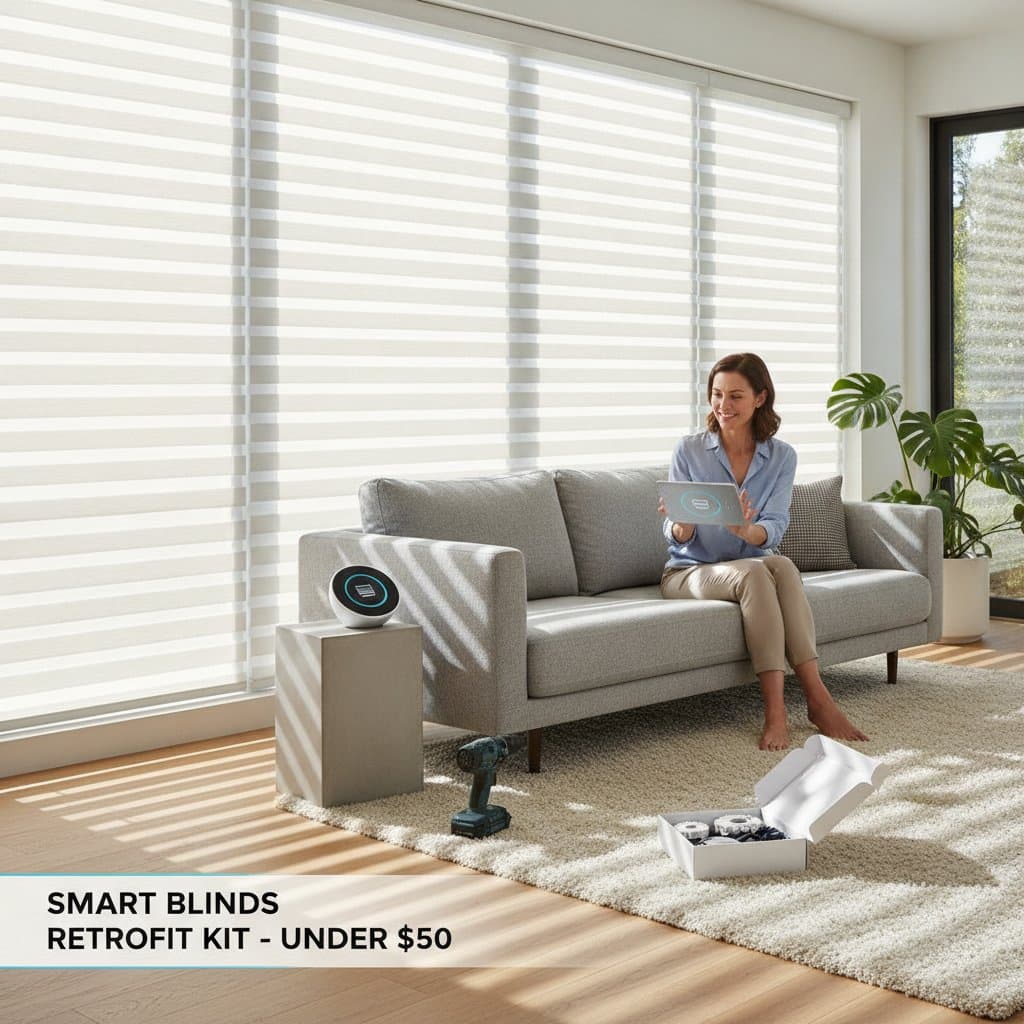
Affordable retrofit smart blinds under $50 are transforming ordinary homes into smart, energy-efficient spaces. Easy to install and compatible with major platforms, they democratize automation once reserved for luxury homes. Combining convenience, sustainability, and integration, these devices signal a new era where intelligent comfort becomes standard, accessible, and effortlessly connected.
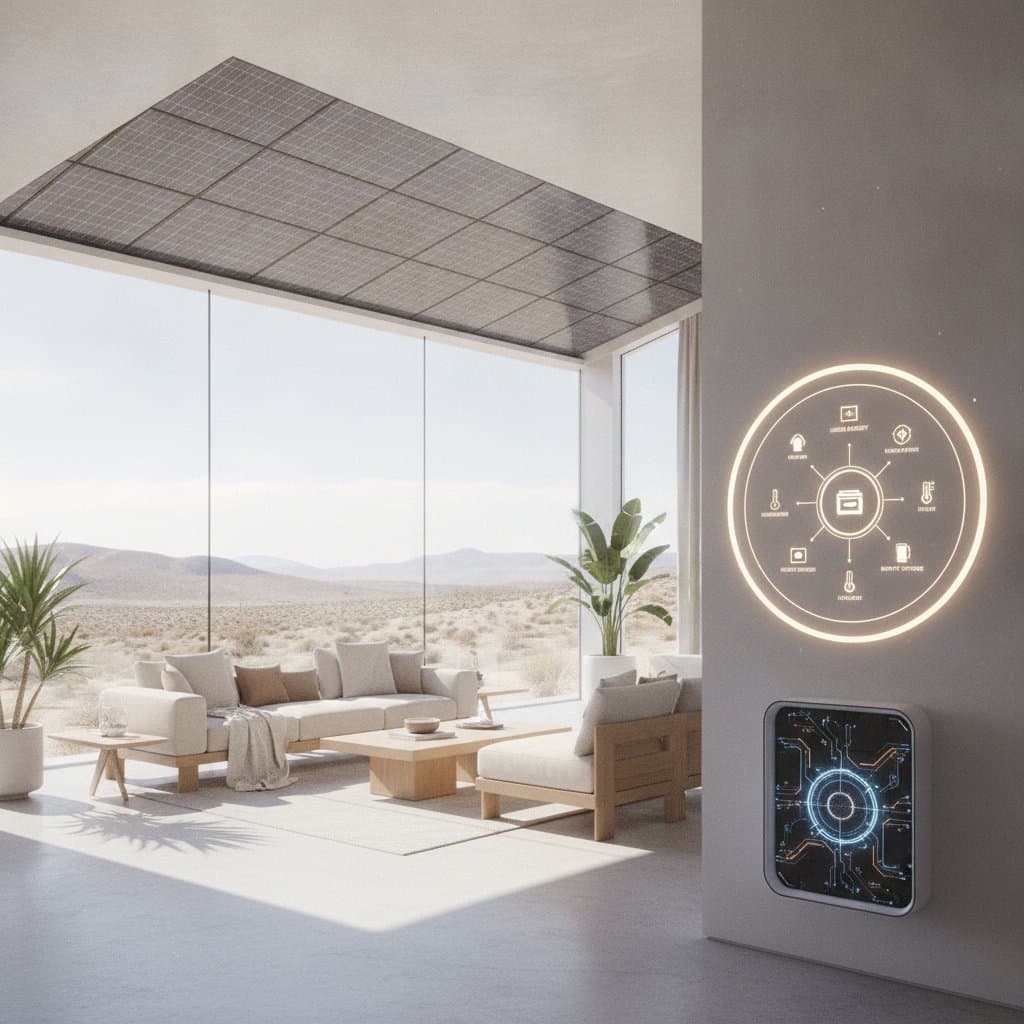
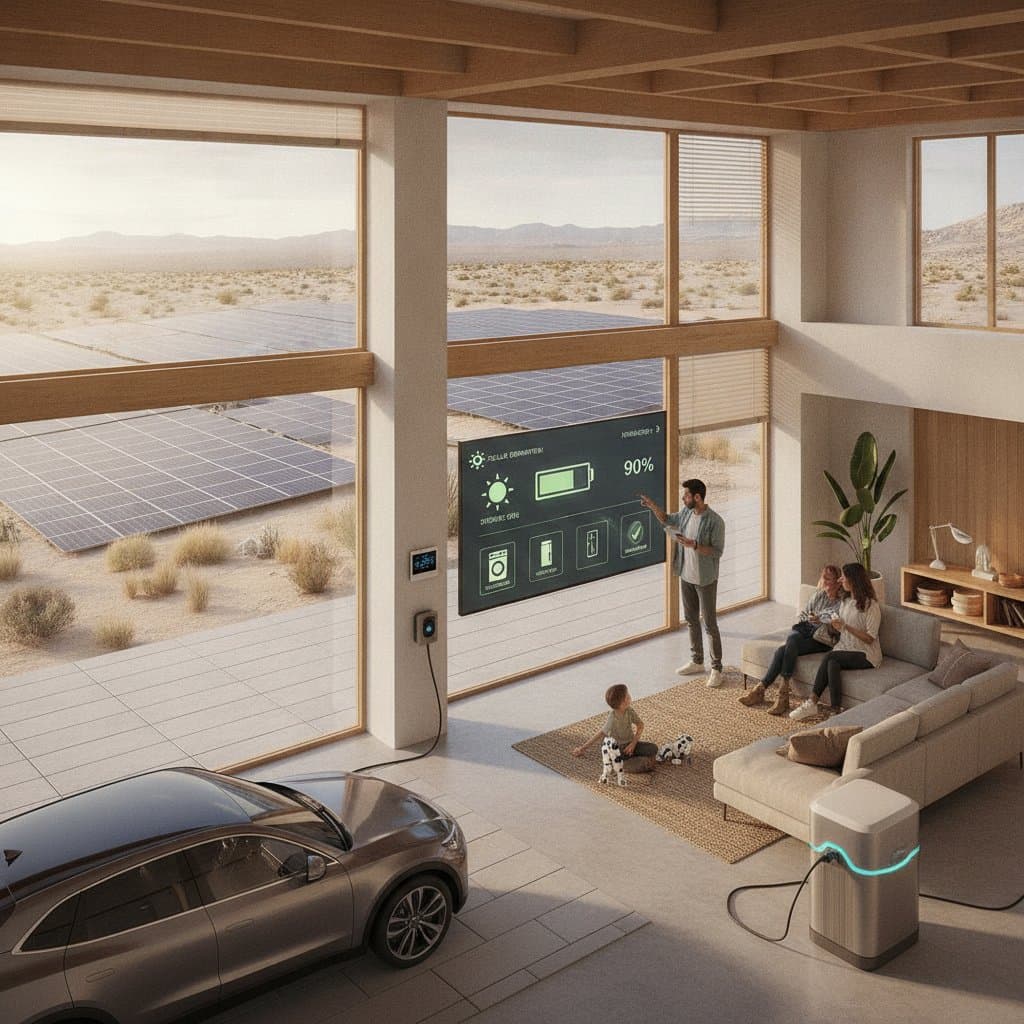
By 2026, solar-powered smart homes combine adaptive energy systems, intelligent batteries, and connected appliances to achieve true off-grid living. These homes learn usage patterns and optimize every resource for comfort, security, and sustainability.
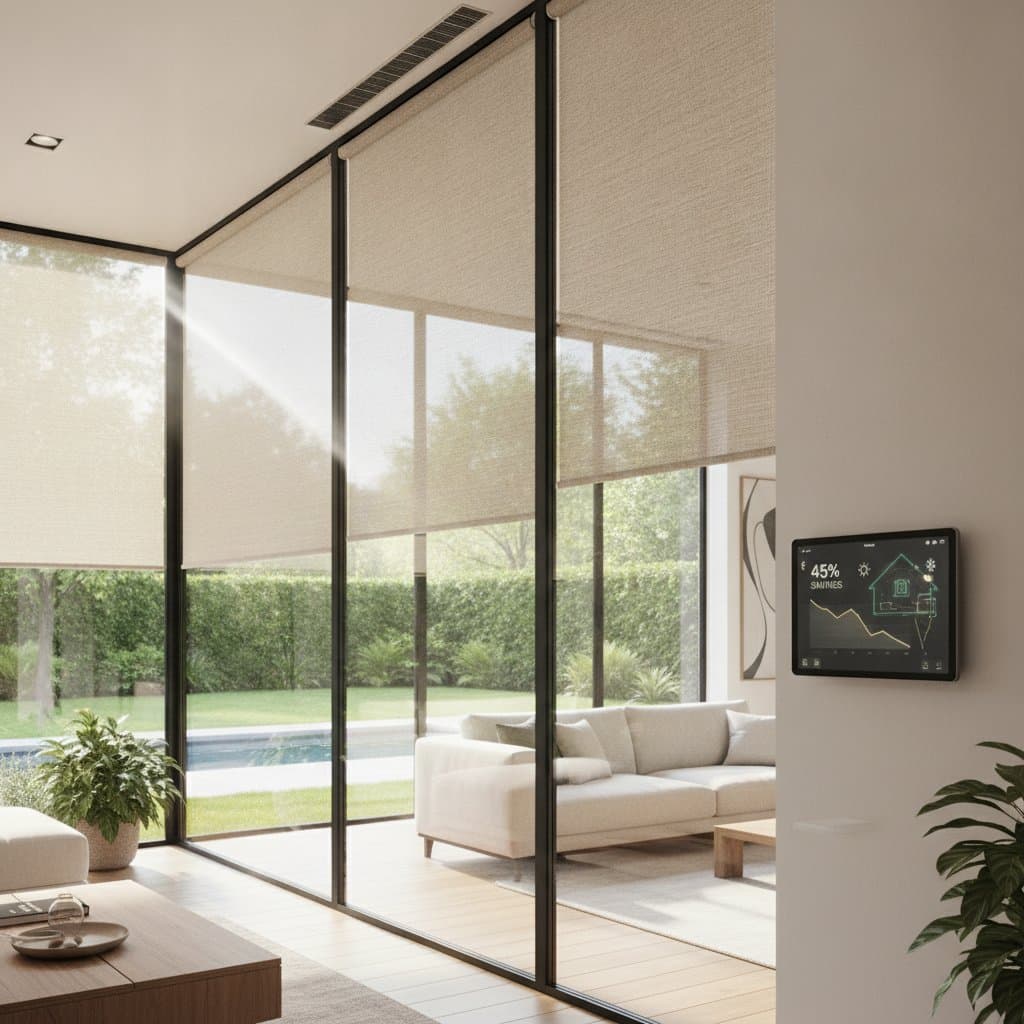
Smart blinds equipped with sun tracking technology adjust automatically to sunlight and temperature changes. This automation reduces air conditioning costs by as much as 45 percent while supporting greater comfort and sustainability in residential spaces.
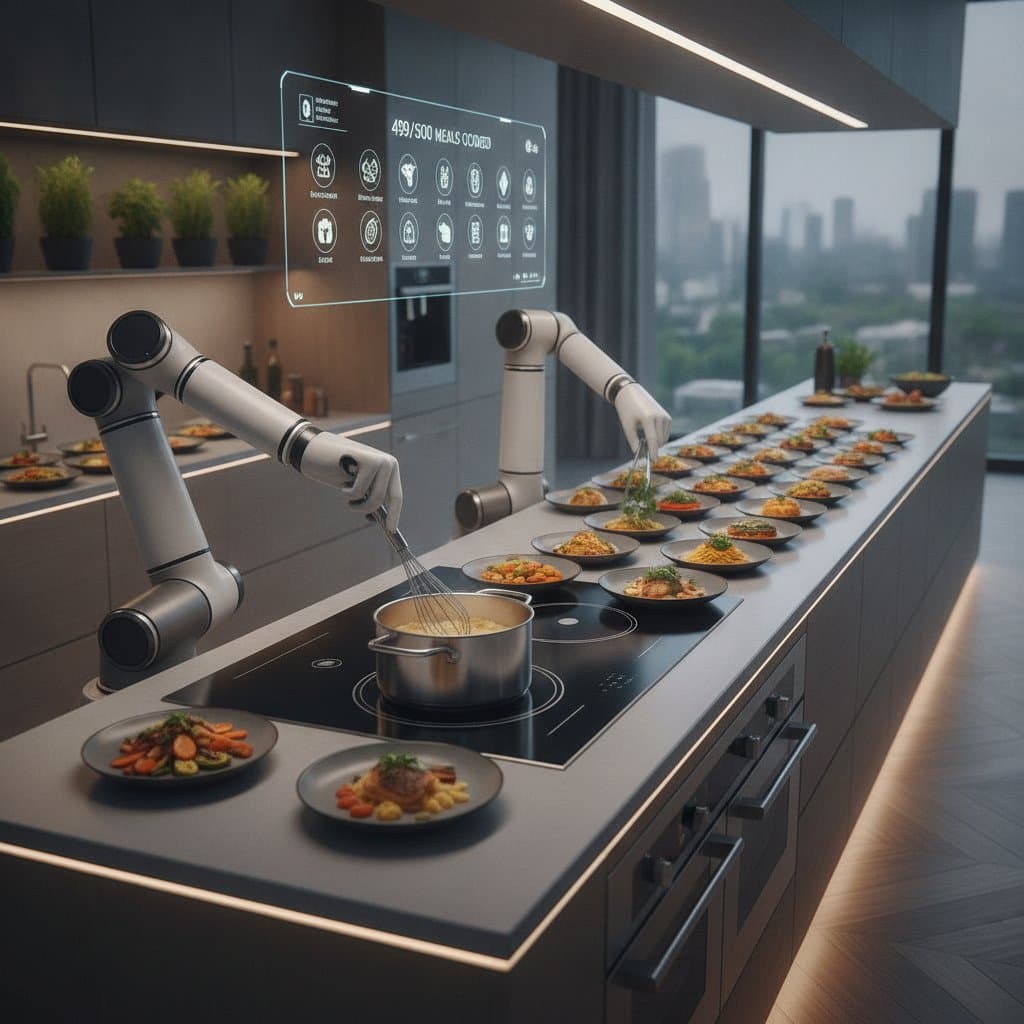
Robot chef arms use AI and sensors to prepare hundreds of recipes from scratch, handling chopping, stirring, and plating while connecting to smart home devices for streamlined meal routines.
AI-powered meal prep turns smart fridges into proactive kitchen assistants that sync real-time inventory with grocery lists and meal plans. The technology predicts needs, suggests recipes, and automates restocks to save time, reduce waste, and support healthier eating.
Robot vacuum mops map rooms, clean multiple surfaces, and maintain themselves. They deliver reliable results at lower cost than recurring cleaning services and support eco friendly operation.
Off-grid smart homes integrate solar power, intelligent storage, and automation to achieve complete energy independence while preserving comfort and efficiency.
Smart homes are entering a hub-free era where appliances connect directly via Wi-Fi or Bluetooth. This seamless shift simplifies setup, boosts reliability, and enhances interoperability across brands. With faster updates, smarter automation, and effortless control, hubless technology transforms connected living into a more intuitive, efficient, and accessible experience for everyone.
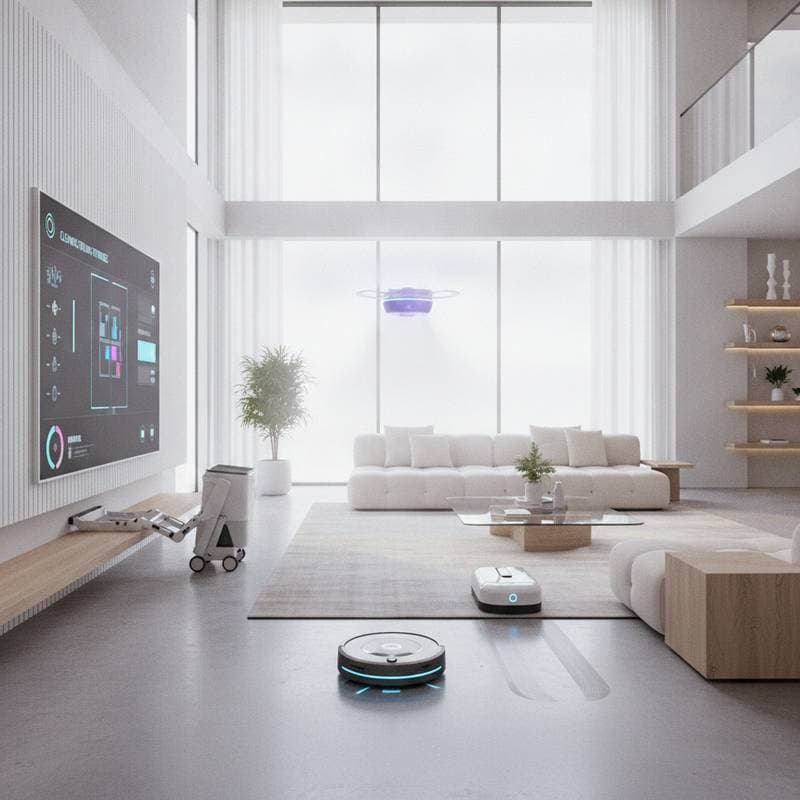
Smart homes now combine coordinated robots, sensors, and adaptive software to clean floors, surfaces, and waste systems automatically while learning household patterns.
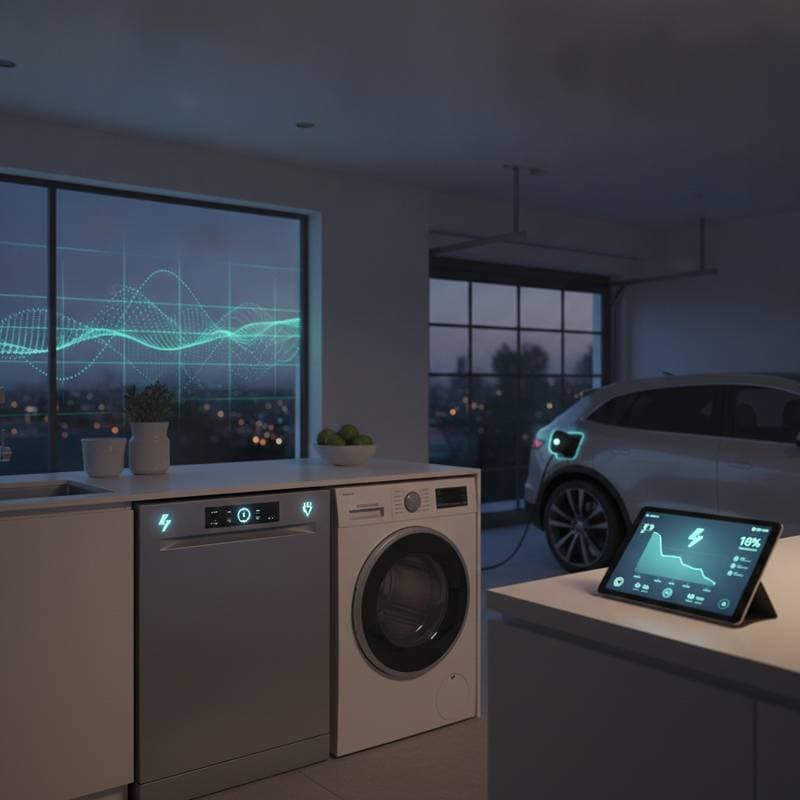
Smart appliances now connect directly to utility signals and run during free off-peak windows. The result is lower bills, higher renewable use, and a more reliable power system with almost no effort from homeowners.
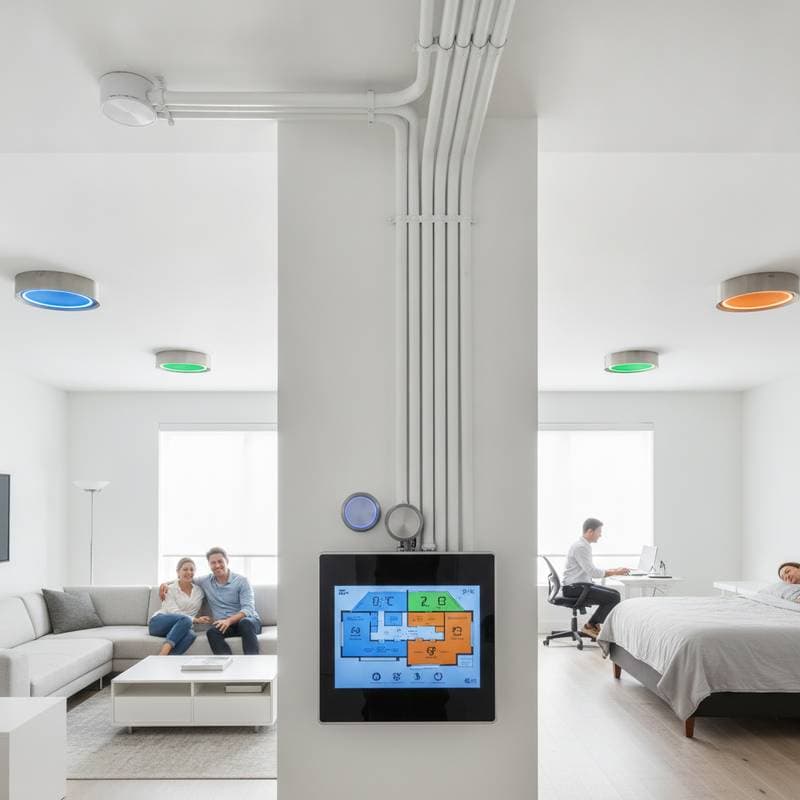
Room-by-room climate control uses smart sensors and vents to condition only occupied spaces. This approach replaces inefficient central HVAC systems, lowering energy costs while improving comfort and air quality throughout the home.