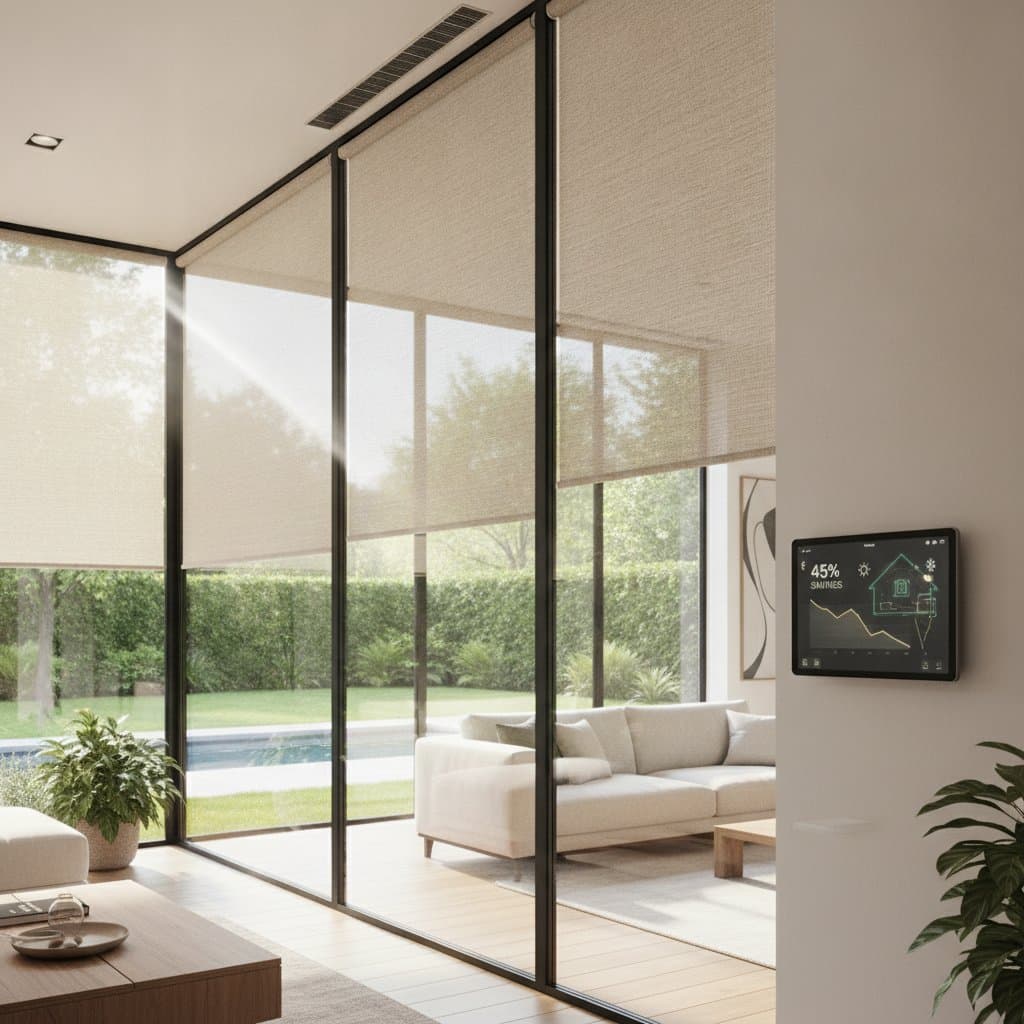
Smart Blinds Reduce Air Conditioning Costs by 45 Percent Through Sun Tracking
Smart homes now incorporate systems that actively manage energy use rather than simply connecting devices. Window blinds represent one area where this shift produces measurable results. Automated blinds track sunlight movement, respond to temperature changes, and lower cooling expenses without requiring constant user input.
Sunlight Effects on Household Energy Use
Windows allow sunlight to enter at varying angles and intensities throughout the day. This creates uneven temperatures and forces air conditioning systems to operate longer than necessary. Manual blinds often remain in fixed positions because residents lack time for repeated adjustments.
Heating and cooling account for roughly half of typical household energy consumption. Sunlight through windows contributes significantly to this load. Automated blinds address the issue by using sensors and algorithms that respond directly to solar position and intensity.
Operation of Sun Tracking Systems
Light and temperature sensors measure sunlight strength and direction in real time. Motors then tilt slats or raise and lower blinds to block excess heat while preserving useful daylight. Some models incorporate weather data to anticipate cloud cover or temperature increases.
Power comes from small solar panels attached to the blinds or from rechargeable batteries. These panels generate sufficient energy from ambient light to maintain operation without wall connections. Integration with voice assistants allows custom settings such as timed morning openings or afternoon cooling modes.
Measured Reductions in Cooling Expenses
Studies of automated sun tracking blinds document air conditioning reductions reaching 45 percent under optimized conditions. Continuous small adjustments throughout daylight hours prevent heat buildup that manual operation cannot match. Evening ventilation modes further stabilize indoor temperatures.
Lower run times decrease monthly energy charges and reduce wear on HVAC equipment. Properties in high sun exposure areas see the largest gains. Winter operation provides parallel heating savings by capturing afternoon warmth and retaining it after sunset.
Improvements in Daily Comfort and Lighting
Automated blinds distribute natural light more evenly and reduce screen glare. They also protect furnishings from ultraviolet fading. Connection to indoor lighting systems maintains consistent illumination levels as daylight fades.
Voice commands enable immediate position changes. Scheduled routines open blinds with sunrise and close them at dusk for privacy. These features combine energy management with practical daily benefits.
Connections Across Home Automation Platforms
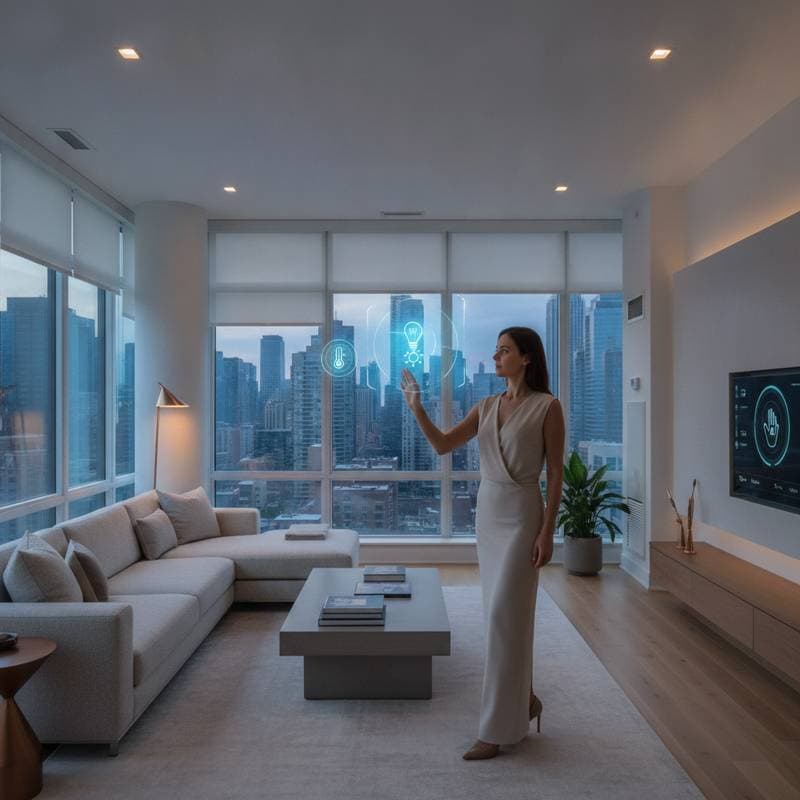
Smart blinds communicate with thermostats and security systems to coordinate responses. A rising temperature reading can trigger blind closure before the air conditioner activates. Cross platform compatibility allows mixing of different device brands without loss of function.
Materials and Long Term Sustainability
Many units employ recycled components and solar powered motors that eliminate battery replacements. Software updates extend product life and reduce electronic waste. These choices support both convenience and reduced environmental impact.
Available Product Approaches
Current offerings include systems that learn household patterns over time and motor kits that retrofit existing blinds. Several models link directly to popular thermostats and assistants for unified control. Early users note quieter performance alongside lower utility costs.
Addressing Cost and Installation Concerns
Initial prices exceed those of standard blinds, yet falling component costs and simpler installation kits improve accessibility. Local data storage in newer models addresses security questions. Clear app interfaces reduce setup friction.
Selecting and Installing a System
Begin with rooms that receive the strongest sunlight exposure. Confirm solar power capability, compatibility with existing hubs, and schedule customization options before purchase. Professional installation remains available for complex window configurations.
Ongoing Value for Homeowners
Sun tracking blinds demonstrate how targeted automation aligns natural cycles with energy management goals. The result is steadier comfort, lower operating costs, and reduced maintenance demands across seasons.