AI Meal Prep Syncs Smart Fridge With Grocery Lists
Smart kitchens are evolving into intelligent assistants that anticipate needs. The latest innovation is AI-powered meal prep, a system that connects your smart refrigerator directly to grocery lists. By combining real-time inventory tracking with predictive food planning, this technology reshapes how people shop, cook, and manage weekly meals.
From Passive Storage to Active Planning
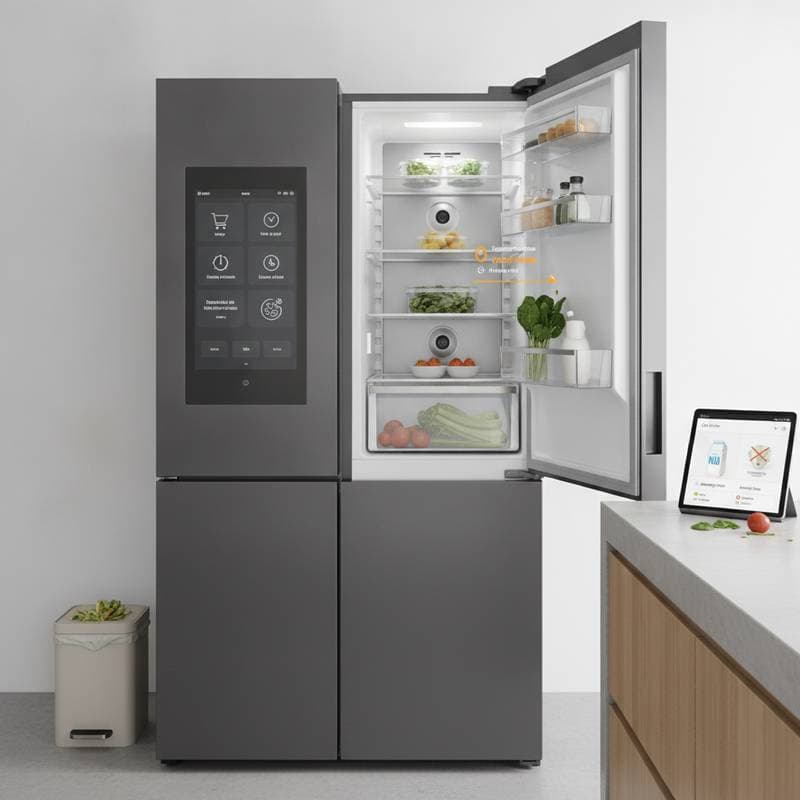
For years, smart refrigerators focused on convenience features such as internal cameras or touchscreens for notes. That approach is changing. Modern smart fridges use built-in sensors, connected apps, and artificial intelligence to monitor contents, track expiration dates, and suggest recipes based on available items.
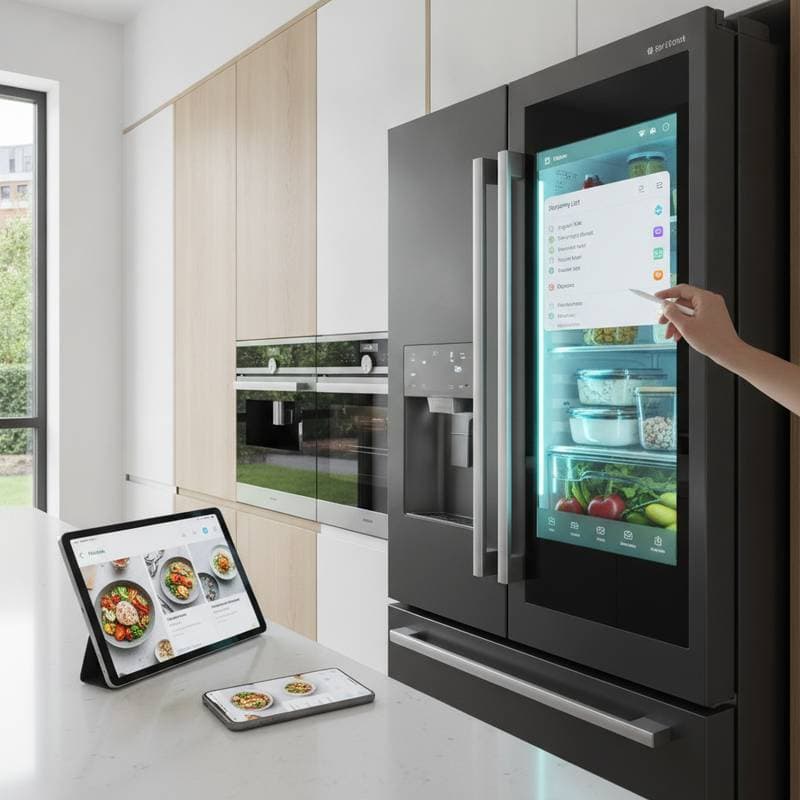
The standout element is the sync between meal planning and grocery automation. When the fridge detects low stock for usual breakfast items or a planned dinner recipe, it adds those ingredients to a shared grocery list or sends a phone alert. Some systems link directly to online grocery services for seamless ordering.
Benefits for Everyday Routines
Meal planning often consumes significant time. Deciding what to cook, checking fridge contents, and remembering restocks turns the process into a chore. AI meal prep technology simplifies that cycle.
Users open the fridge to find a ready-made weekly plan with recipes tailored to dietary preferences and existing stock. This approach cuts food waste, saves time, and supports balanced meals. A recent market survey showed that many smart device owners want appliances that reduce decision fatigue and improve organization. The smart fridge serves as that central hub.
Technology Behind the System
Sensors and image recognition in the fridge identify items during storage. Data flows to a companion app that applies AI to analyze inventory levels and consumption patterns. The system learns household habits over time.
When patterns show frequent pasta nights, the app predicts sauce or noodle depletion and updates the grocery list automatically. Integration with delivery services allows reordering of essentials. Voice assistants or smart displays on some models let users approve, modify, or cancel suggestions on the spot.
Current Market Examples
Major appliance companies refine this capability. Samsung Family Hub and LG ThinQ systems integrate food recognition with recipe suggestions. Whirlpool tests models that sync with grocery delivery platforms for automated restocking.
Startups offer software that retrofits older refrigerators through barcode scanning or smartphone photos. This option extends access beyond new appliance purchases.
Health and Efficiency Gains
AI meal prep supports health and budgeting goals. Planning around existing items reduces impulse purchases and promotes mindful eating. Families coordinate preferences, allergies, and portion sizes across users.
Energy efficiency improves as well. The fridge optimizes cooling zones based on contents and extends produce shelf life through automatic humidity and temperature adjustments.
Key Considerations Before Adoption
Privacy and data security require attention because these systems rely on continuous monitoring and cloud connectivity. Users seek clear assurances that household data remains protected.
Cost presents another factor. Smart refrigerators with integrated apps carry premium prices, though features are expected to reach mid-range models as technology advances. Interoperability between brands continues to improve through open standards.
Steps to Implement in Your Kitchen
Owners of connected fridges begin by linking the appliance to a meal planning app or grocery platform. Scanning items or using voice commands tracks stock, allowing the system to learn preferences and refine suggestions.
Those planning upgrades select models that support open ecosystems and regular software updates. Apps that use phone cameras for grocery management provide an entry point without a full appliance replacement.
Daily Integration of AI Meal Prep
Smart kitchens shift from novelty to practical tools. As AI-driven meal prep grows more intuitive, the refrigerator becomes an active partner in household management.