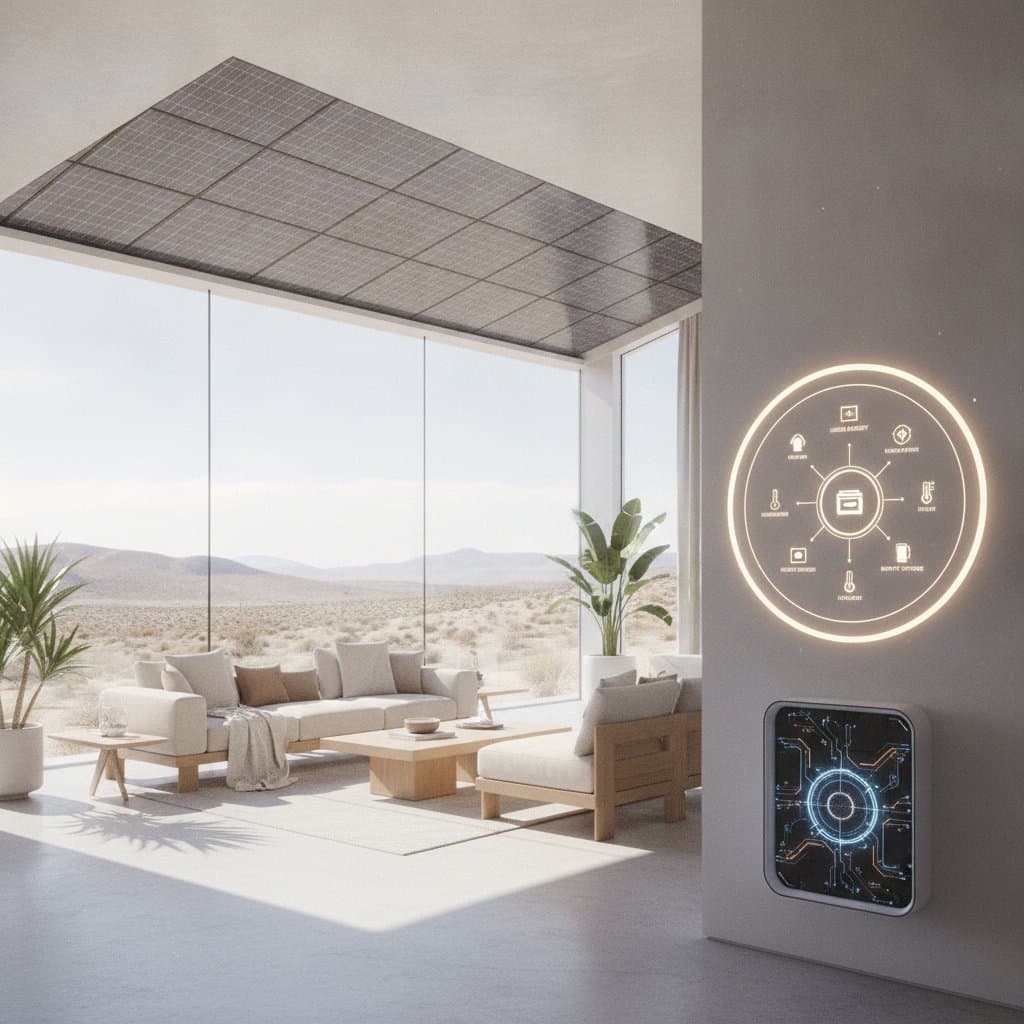
2026: Solar-Powered Smart Homes Achieve True Off-Grid Living
Smart homes are advancing from convenient to completely self-sufficient. Solar energy systems now merge with intelligent home automation. The result is off-grid living that preserves comfort and connectivity.
This change centers on environments that generate their own energy and manage resources with precision. Solar-powered smart homes serve as a model for combining technology with renewable sources.
The Shift Toward Energy Independence
Homeowners have long installed solar panels to cut bills and reduce environmental impact. The next stage focuses on autonomy through production, storage, and use of power without grid reliance. Intelligent energy management systems paired with improved battery technology drive this progress.
Consumer surveys indicate rising interest in self-sufficient setups due to higher electricity costs and outages. Smart systems analyze consumption patterns and redistribute power automatically. Homes can therefore maintain operations during disruptions.
Smarter Solar Panels and Adaptive Efficiency
Next-generation solar panels communicate directly with a home's central hub. Integrated sensors and predictive algorithms adjust panel angles and energy flow to maximize sunlight capture. These panels respond to weather forecasts and household demand rather than collecting energy passively.
One advanced solar roof system identifies cloud patterns and reroutes stored power to essential appliances ahead of production drops. Homeowners reach high efficiency levels with limited manual intervention.
Energy Storage That Learns
Battery storage supports consistent off-grid performance. Modern smart batteries analyze usage data to predict release timing. They track routines such as evening cooking or electric vehicle charging and modify discharge rates to match.
Some units incorporate weather data to conserve reserves during cloudy stretches. Mobile apps provide real-time monitoring of energy levels and usage. The home operates as a responsive energy system that anticipates needs instead of reacting to shortfalls.
Connected Appliances and Load Balancing
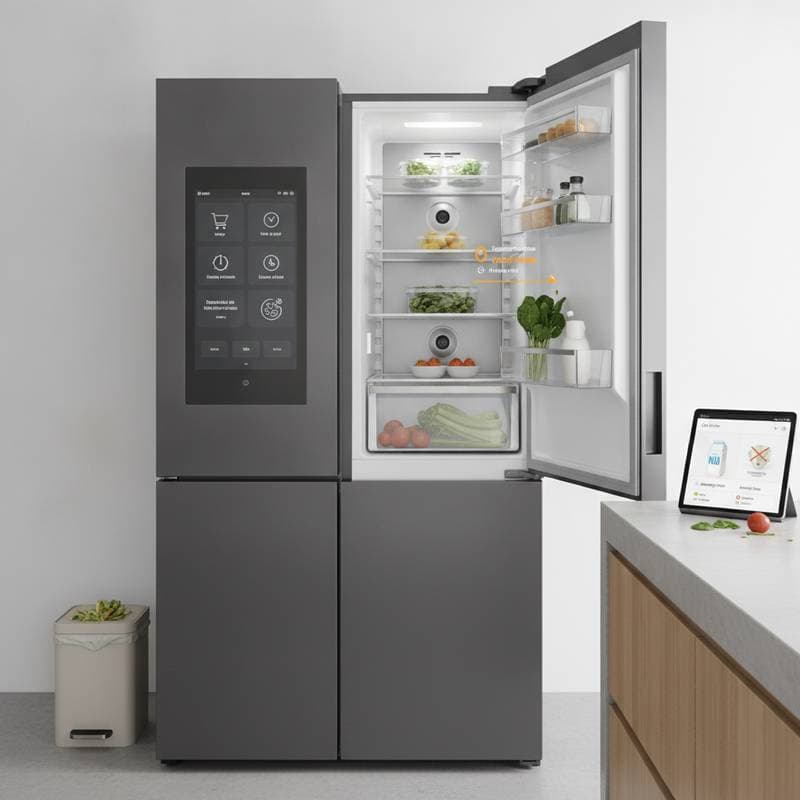
Off-grid function requires coordination among power-consuming devices. Smart appliances exchange data to balance loads and prevent demand spikes. A washing machine can delay its cycle when the system detects high concurrent use.
Manufacturers embed solar awareness into products like air conditioners and ovens. These units shift to adaptive modes based on available power. Central platforms coordinate operations to preserve efficiency across daily activities.
Intelligent Water and Climate Management
Smart water systems monitor consumption, identify leaks, and reuse greywater for irrigation. Solar-powered pumps and filters support independent water handling in remote locations. Climate controls adjust temperatures according to sunlight levels and indoor activity patterns.
High solar output periods trigger pre-cooling or pre-heating to store comfort for later. This method limits battery demand while sustaining comfort.
Integration Through Unified Ecosystems
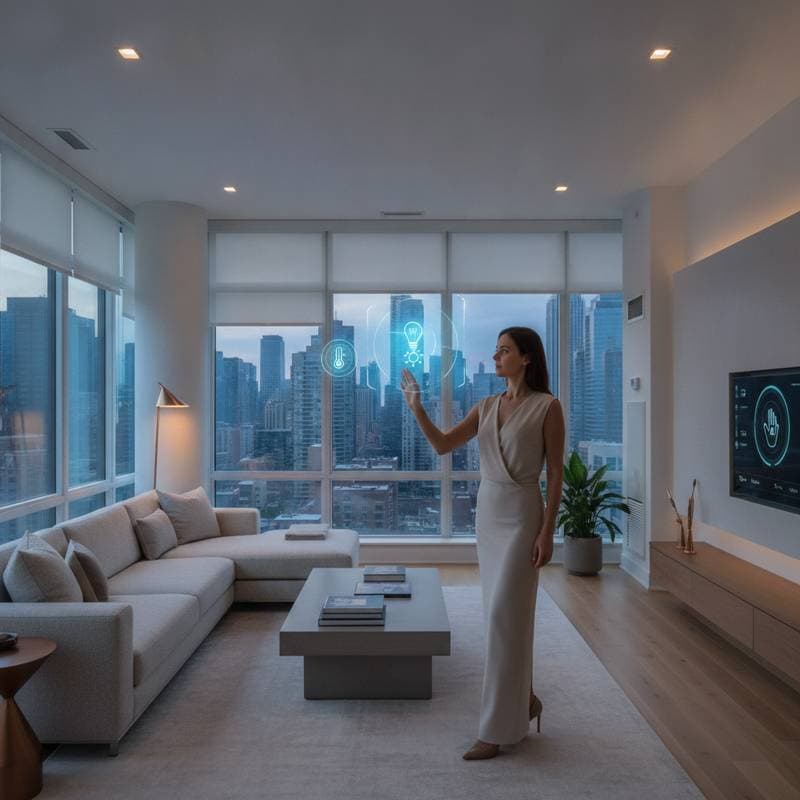
Shared communication standards now link lighting, security, climate, and energy components. Homeowners control all functions through one interface via voice or app commands. Interoperable platforms from major providers allow future devices to connect without disruption.
Security and Reliability in Remote Living
Predictive maintenance sensors track electrical flows, battery conditions, and panel output. Alerts notify residents of potential issues before failures occur. Solar-powered surveillance maintains motion detection and recording during grid outages.
Economic and Environmental Advantages
Initial setup costs are offset by elimination of utility bills and protection from rate changes. Systems prolong appliance life by easing high-demand stress. Local clean energy production cuts carbon output and eases strain on public grids.
Neighborhood microgrids allow homes to share surplus power. This approach builds decentralized energy networks.
Overcoming Remaining Barriers
Battery expenses and installation requirements still pose hurdles. Mesh network expansion and falling storage prices are expected to ease access. Government incentives further support broader adoption.
Real-World Examples of Off-Grid Innovation
One housing development combines solar roofs, home batteries, and unified control hubs. Residents sustain full operations for weeks without interruptions. Prefabricated modular units include built-in arrays and water recycling with dashboards that display generation and storage data in real time.
Living Comfortably with Technology
Automation optimizes every unit of energy and water without manual oversight. Lighting follows natural rhythms. Entertainment and appliances draw power during peak solar periods. The home manages resources quietly while delivering consistent comfort and control.
Moving Toward a Smarter, Greener Future
Solar-powered smart homes encourage new perspectives on energy use and independence. Predictive systems will continue to refine responses to household patterns. Community networks may soon distribute renewable resources across wider areas.
Homeowners gain future readiness along with reduced costs and emissions. Off-grid living now delivers control and reliability through integrated clean energy design.