Robot Vacuums Detect Hidden Home Hazards Early
Robot vacuums have moved beyond basic floor cleaning. New models use cameras, sensors, and artificial intelligence to identify leaks, mold growth, and other risks before they cause expensive damage.
Evolving Capabilities in Floor Cleaning Devices
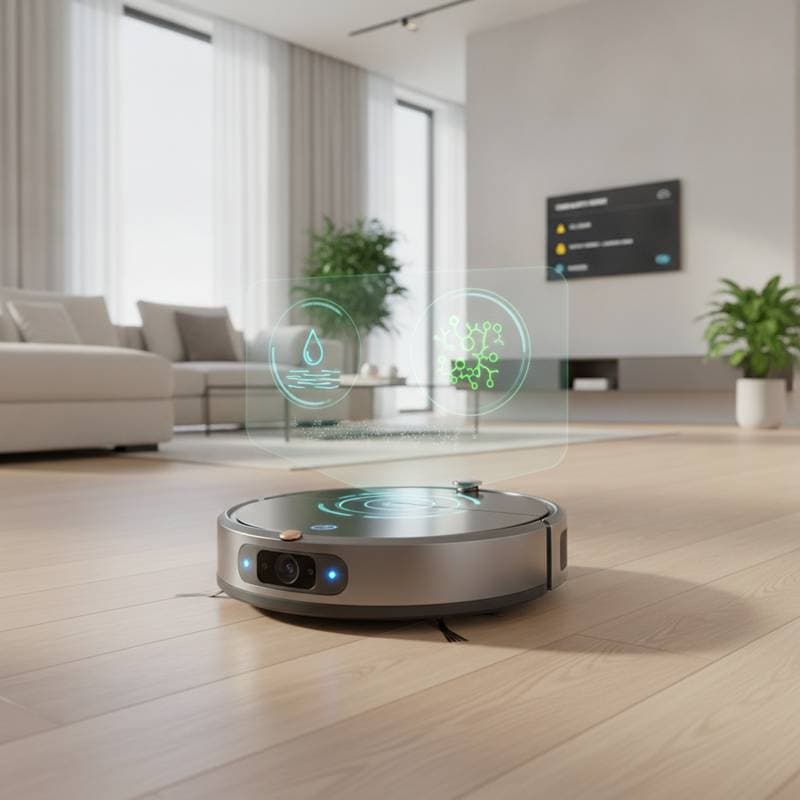
Manufacturers now design these units as mobile monitoring tools. Improved cameras and environmental sensors allow the devices to scan rooms continuously during cleaning cycles. Cloud analysis then converts the readings into actionable alerts sent directly to a smartphone.
This shift turns routine vacuuming into an ongoing safety check. The technology identifies subtle changes that homeowners often miss during regular inspections.
Typical Risks Found in Living Spaces
Moisture collects in corners and under appliances, leading to mold. Electrical cords fray beneath furniture. Pets introduce allergens that settle in hard to reach areas. Most households lack time for frequent manual checks of these zones.
Robot vacuums already cover every accessible floor area. Added sensors record unusual humidity or temperature readings during each pass and notify users of anomalies.
Detection Methods Used by Current Models
Several sensor types work together to build a complete environmental profile.
- Optical cameras capture images of spills, small objects, and insect activity.
- Infrared sensors measure temperature variations that indicate warm leaks or overheating electronics.
- LIDAR mapping tracks floor height changes that may signal warping or structural movement.
- Environmental sensors track humidity levels and airborne particles to flag mold or allergen risks.
Some units continue data collection while docked. This allows detection of gradual shifts such as rising dust levels from clogged HVAC filters.
Models That Offer Hazard Monitoring
Budget friendly options include the Eufy RoboVac G30 Hybrid. It provides object recognition to avoid cords and reduce tripping hazards.
Mid range units such as the Roborock Q Revo add mopping functions and moisture detection. They send alerts when unexpected water appears on floors.
Premium choices like the iRobot Roomba Combo j9+ include self emptying bases and photographic evidence of detected issues. Most new models connect with major smart home platforms for voice or app notifications.
Situations Where Alerts Provide Value
A humidity sensor may detect damp flooring near a washing machine and prompt inspection of a loose hose. Thermal readings can reveal an overloaded outlet before overheating occurs. Air quality sensors highlight clogged vents that increase particulates.
LIDAR data sometimes identifies slight floor height changes caused by foundation issues. Each alert arrives with location details so users can respond quickly.
Preparation Steps for Effective Use
Assess rooms that experience frequent moisture or clutter. Verify strong wireless coverage throughout the house. Position reflective surfaces away from main cleaning paths to maintain camera accuracy.
Enable automatic firmware updates to receive improved detection algorithms. Review privacy options and select local storage where available. Create dedicated monitoring zones around appliances for more precise alerts.
Budget and Upkeep Factors
Prices range from 250 dollars for basic models to over 1500 dollars for fully equipped units. Mid range devices between 600 and 800 dollars typically balance cleaning performance with detection features.
Regular care involves emptying bins, cleaning brushes, and wiping sensors. Replacement parts cost 30 to 50 dollars annually. Battery changes every few years add roughly 100 dollars but early hazard detection often offsets these expenses.
When to Consult Specialists
Robot reports serve as indicators rather than final diagnoses. Recurring moisture or heat alerts warrant calls to licensed plumbers or electricians for verification. Follow all manufacturer guidelines regarding water and wiring during operation.
Data Handling Practices
These devices record floor plans and environmental readings. Select models with clear encryption standards and opt out options for data sharing. Local storage keeps information inside the home network when preferred.
Next Steps for Homeowners
Begin with a mid range model that includes environmental sensors. Test alerts in high risk rooms before expanding coverage. Multiple units can operate under one application for larger properties. Certified installers can optimize network security and zone settings when needed.