Smart Appliances Tap Free Off-Peak Electricity
Smart homes now interact directly with the power grid. New appliances schedule tasks for periods when electricity costs nothing or very little. Homeowners gain lower bills while utilities balance supply more effectively.
Demand Response Through Automation
Utilities once met rising demand by firing up extra generators. Demand response reverses this approach. Appliances receive price or grid signals and shift operation to times of surplus power.
A connected dryer waits for lower rates before starting. A water heater pauses briefly during high demand without affecting supply. These adjustments occur without manual input from residents.
Time-of-Use Pricing Guides Operation
Utilities publish schedules that charge less during off-peak hours. Smart appliances read these schedules through secure connections. They run cycles only when rates reach their lowest points.
Users set basic preferences once. The appliance then handles timing. No further action is required unless an immediate cycle is needed.
Free Power Windows Trigger Automatic Cycles
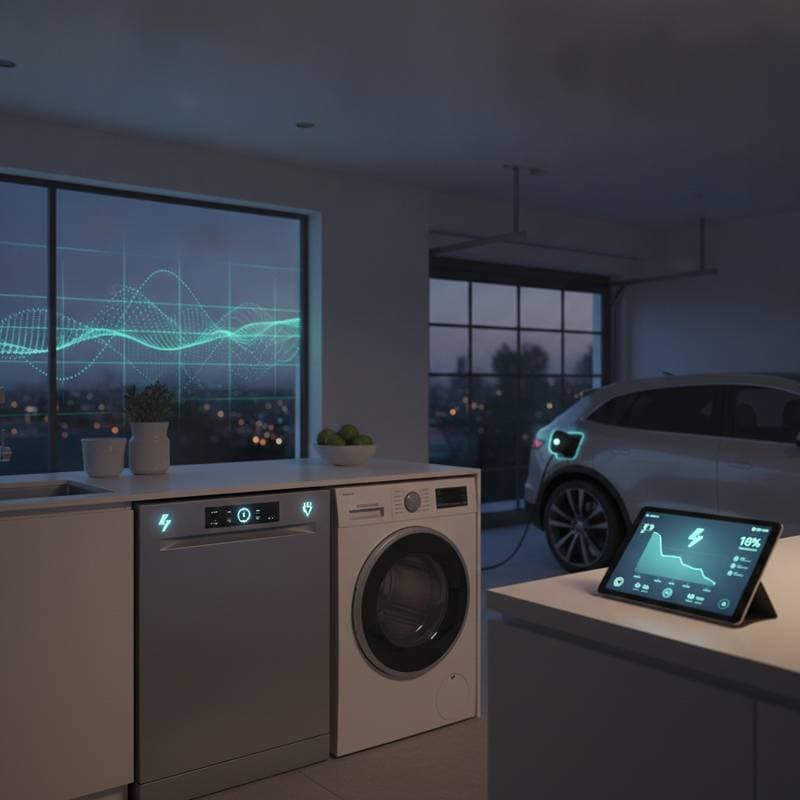
Certain utilities offer electricity at no charge during specific overnight or midday windows. Appliances detect these windows through utility signals. They begin washing, charging, or heating immediately.
Electric vehicles fill batteries during these free intervals. Dishwashers complete loads before the window closes. Savings accumulate without extra effort from the household.
Secure Communication Protocols Enable Coordination
Appliances connect through home networks or direct utility links. Standardized protocols protect data while allowing real-time price updates. Devices from multiple brands work together once standards are followed.
When surplus renewable power appears, appliances activate. When the grid tightens, they scale back. Response happens in seconds rather than minutes.
Comfort Settings Remain Under User Control
Systems respect temperature and timing limits chosen by residents. A thermostat may pre-cool slightly before peak pricing begins. Residents can override any schedule with a single command.
Automation supports rather than replaces household routines. Food stays cold. Clothes finish on time. Energy costs simply drop.
Current Programs Show Measurable Results
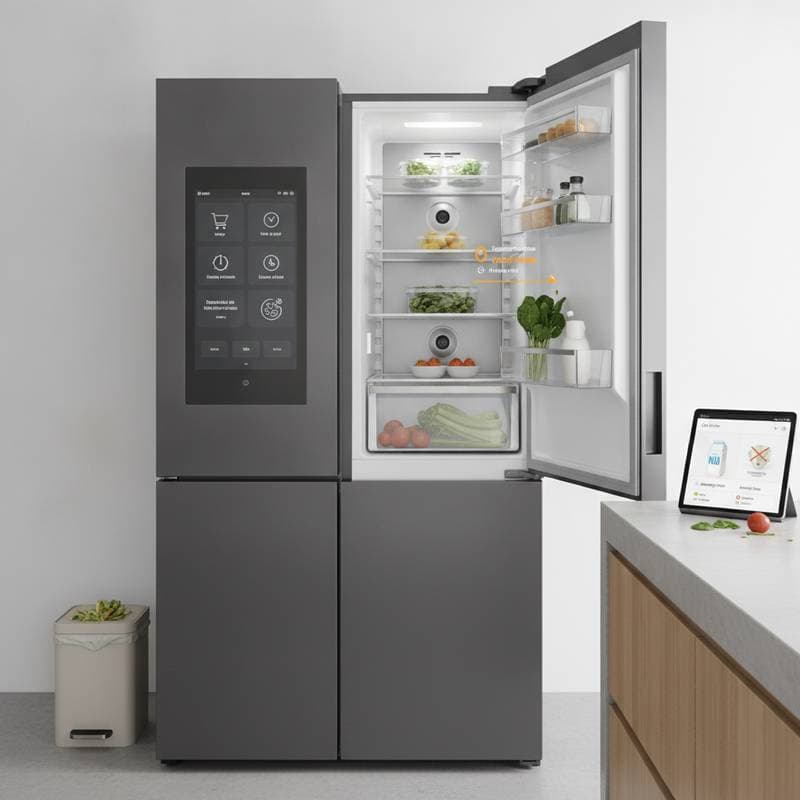
Manufacturers now ship dryers and refrigerators ready for utility signals. Pilot programs pair air conditioners with direct utility controls. Participants receive bill credits in exchange for brief, automated adjustments.
Smart chargers for electric vehicles already use these signals in several regions. They start only when renewable output is high or prices reach zero. Reports confirm lower peak loads and steady user satisfaction.
Renewables Require Flexible Demand
Solar output peaks in the afternoon while wind often rises at night. Appliances absorb this surplus by running during those exact hours. Evening demand then falls because tasks have already finished.
This alignment reduces waste and limits the need for fossil backup plants. Homes become active storage for clean energy rather than constant consumers.
Interoperability and Cost Barriers Are Shrinking
Open communication standards now allow devices from different makers to share signals. Prices for connected models continue to fall as production scales. Utility rebates offset remaining premiums for early adopters.
Data encryption and clear privacy policies address security concerns. Manufacturers publish straightforward policies that explain what information is shared and why.
Awareness Complements Automation
Apps display projected savings before each cycle begins. Simple dashboards show how timing choices affect both cost and emissions. Residents who review these numbers tend to keep automation features active.
Grid Benefits Reach Households and Utilities
Lower peak demand reduces the need for new power plants. Utilities pass infrastructure savings to customers through stable rates. Households see the largest reductions when free off-peak windows are used regularly.
Emissions fall because fewer peaker plants run. Renewable capacity grows more valuable when consumption matches its output pattern.
Getting Started with Grid-Connected Appliances
Select models that list time-of-use or demand-response compatibility on the label. Connect them to a home energy app or utility portal during setup. Enroll in any available free-power program offered by the local provider.
Review settings quarterly to confirm comfort ranges still match household needs. Small schedule changes compound into noticeable annual savings while supporting a steadier grid.