Never Run Out of Essentials Again
You open your refrigerator on a busy morning and discover the milk has run out. The prospect of fitting in a grocery trip feels overwhelming. Smart refrigerators now detect low stock levels, reference your preferences, and trigger orders before shortages occur. These appliances turn a recurring inconvenience into an automated process.
Everyday Challenges Addressed by Smart Refrigerators
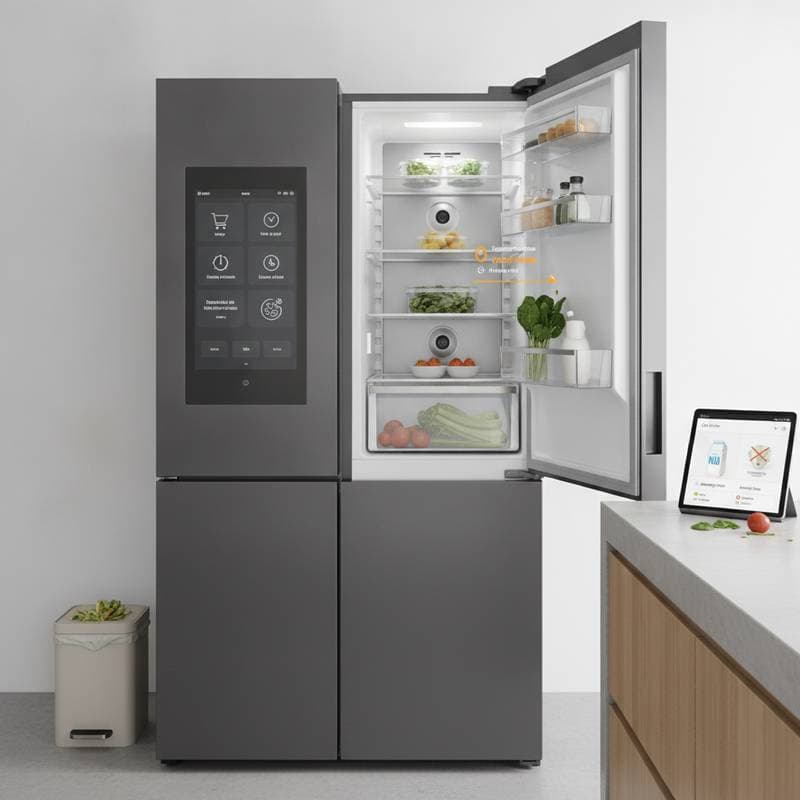
Kitchens often involve constant coordination of meal plans, shopping trips, and expiration tracking. Smart refrigerators function as more than cooling units. They monitor contents through cameras and sensors, suggest recipes from available items, and restock staples via linked grocery services. This central role reduces the need to manage separate applications.
The systems learn household routines over time. They prioritize frequently used products and adapt to dietary choices. Users gain consistency without daily oversight.
How Automation Works Step by Step
These refrigerators combine internal cameras, barcode readers, and recognition software to maintain an accurate inventory. Integration with services such as Amazon Fresh or Walmart+ enables direct reordering. Recipe applications like SmartThings Cooking connect meal selections to missing ingredients.
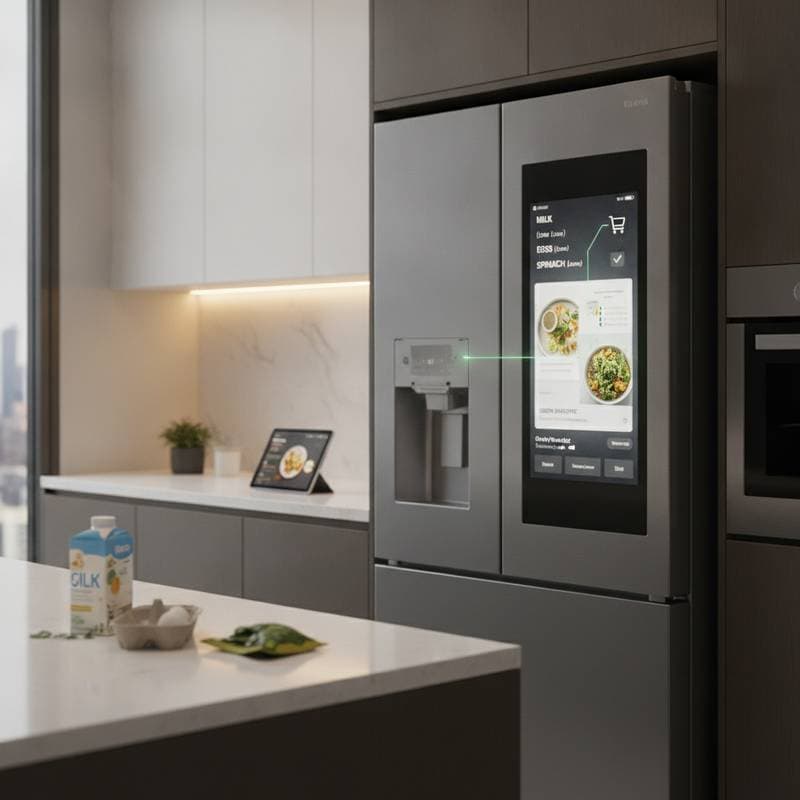
The sequence follows four stages. Inventory tracking updates a digital list in real time. Recipe integration identifies gaps when a meal is chosen. Auto order execution completes the purchase through the selected retailer. Delivery coordination sends timing and substitution alerts.
Reliable performance depends on cloud databases that store detailed product information. The refrigerator distinguishes specific brands and package sizes rather than generic categories.
Models Across Price Ranges
Three options illustrate the range of capabilities available.
- Budget option: The Hisense Smart Refrigerator, priced near 1199 dollars, provides Wi Fi connectivity and a basic inventory application. Barcode scanning occurs through a companion phone app. This model suits smaller households testing automated features.
- Mid range choice: The LG InstaView ThinQ, around 2499 dollars, includes internal cameras, voice control with Alexa or Google Assistant, and recipe synchronization. The transparent door panel reduces unnecessary openings. It generates meal suggestions and populates shopping lists automatically.
- Premium option: The Samsung Family Hub with SmartThings Cooking, near 4199 dollars, offers a full screen interface for planning and ordering. It connects to Amazon Fresh and Instacart while supporting multiple user profiles. Real time camera updates function even during absences.
Premium units also link to other appliances. An oven on the same platform can begin preheating once a recipe is selected on the refrigerator screen.
Setup Requirements and Ongoing Management
Most models need a stable wireless connection and accounts with chosen grocery providers. Recipe features may require separate subscriptions. Budget planning should account for totals between 1000 and 5000 dollars based on automation depth.
Installation typically involves standard outlets. Water line connections or cabinet modifications benefit from professional assistance. Sensors and cameras require proper sealing to avoid moisture damage. Data controls allow users to set reorder thresholds and manage stored information through encrypted channels.
Advantages of Linking Orders to Recipes
Recipe based ordering replaces static lists with dynamic adjustments. When a dish such as chicken curry is planned, the system checks current stock and adds only the required spices or proteins. Portion scaling occurs according to household size.
This approach limits excess purchases. Freshness alerts notify users of nearing expiration dates and propose recipes that use those items. The result is reduced waste alongside improved nutrition and spending control.
Long Term Value and Future Capabilities
Software updates continue to expand functions after purchase. Initial grocery automation can later incorporate nutrition tracking or voice guidance. Older compatible models gain scanning features through phone applications. Pairing with smart speakers permits voice additions to lists without opening the door.
Selecting the Right Refrigerator
Evaluate household size, typical travel patterns, and desired integration level before purchase. Models with adjustable reorder settings prevent unnecessary deliveries during extended absences. Certified installers ensure electrical and plumbing elements meet safety standards. The outcome is a kitchen that anticipates needs and supports consistent meal preparation.