Medicare Now Reimburses Smart Homes for Aging in Place
Imagine an aging parent walking safely through a softly lit hallway at night. Motion activated lights guide the way and prevent falls. Family members check in from a phone while sensors monitor movement, temperature, and air quality. This setup reflects current smart home designs for aging in place. Medicare has started to recognize the value of these systems.
Understanding the New Opportunity
Older adults have long faced a difficult choice between staying home with limited safety measures or moving to assisted living. Medicare updated reimbursement policies now help bridge that gap. Certain smart home devices qualify for coverage when prescribed as part of a care plan under home health or remote monitoring benefits. This shift supports independence and helps control overall healthcare costs.
The technology balances safety with personal dignity. Seniors remain in familiar surroundings without constant supervision. Families gain peace of mind and experience fewer emergencies.
How Smart Home Technology Supports Aging in Place
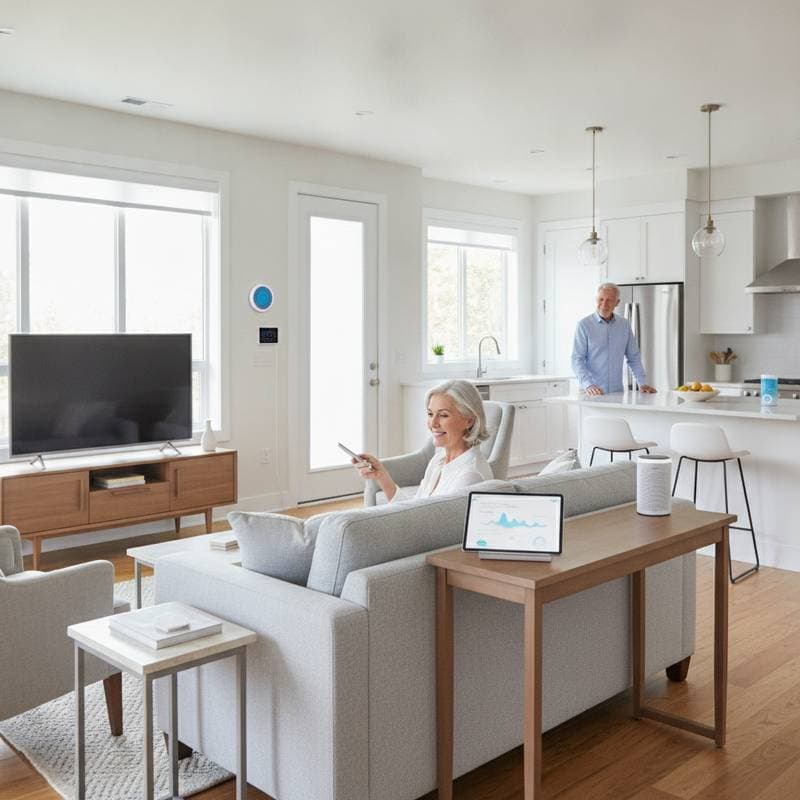
Smart homes for older adults emphasize safety, accessibility, and health monitoring. These systems alert caregivers or medical professionals when unusual patterns appear.
Key categories include the following.
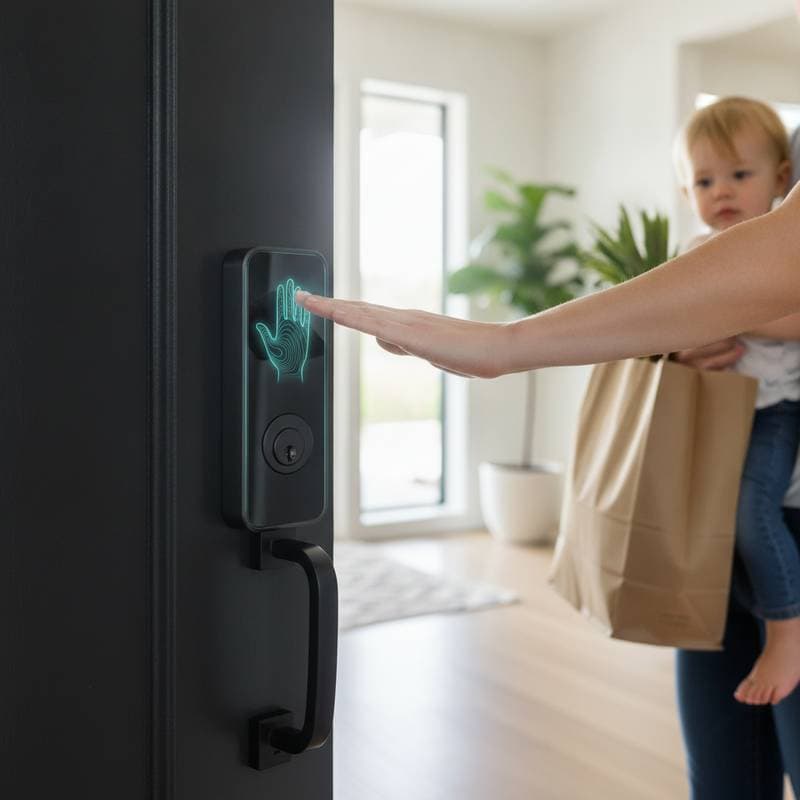
- Smart security and access tools such as video doorbells allow seniors to see visitors without opening the door. Models with two way audio add emergency call features and integrate with voice assistants for customized alerts.
- Motion triggered lighting automatically brightens hallways and bathrooms. Voice controlled bulbs connect to common assistants and provide hands free operation.
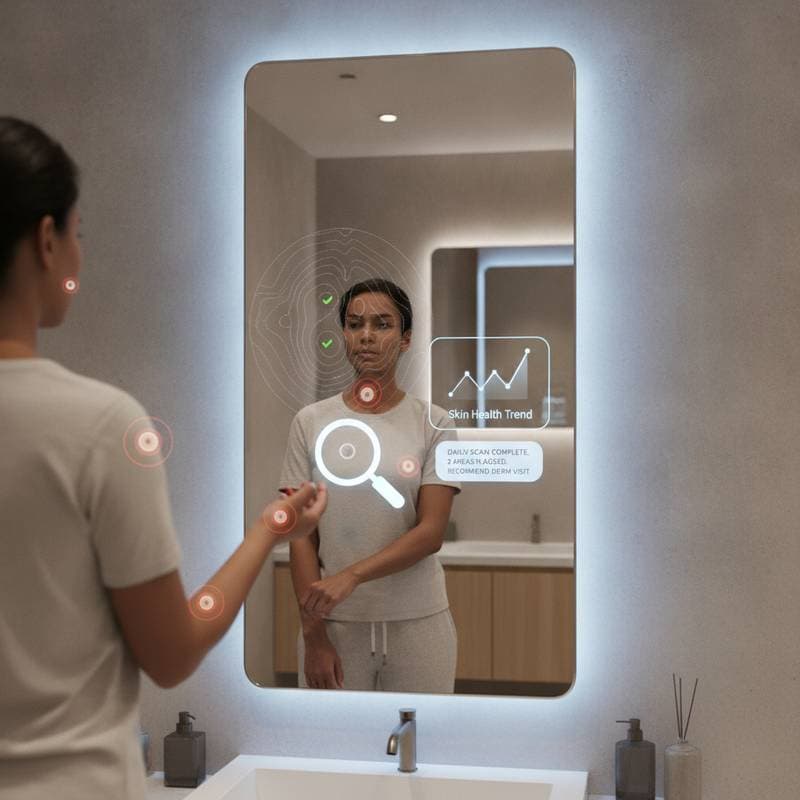
- Health and safety sensors track daily movement patterns. When activity stops unexpectedly the system sends alerts. Comprehensive packages combine fall detection, smoke sensors, and two way communication.
Integration and Documentation Practices
Too many disconnected devices can overwhelm users and complicate troubleshooting. Select a unified ecosystem such as Amazon Alexa, Apple HomeKit, or Google Home. Medicare reimbursement programs often favor integrated systems because they simplify medical data sharing and lower maintenance costs.
Document the medical rationale for each device. A motion sensor may be justified as a fall prevention measure. Smart thermostats can support temperature regulation for individuals with cardiovascular conditions. These details strengthen reimbursement claims.
Budget, Installation, and Safety Considerations
A basic aging in place smart home setup ranges from several hundred to over one thousand dollars. Medicare reimbursement applies only to approved devices or services tied to a care plan. Confirm eligibility through a licensed healthcare provider before purchase.
Professional installation proves worthwhile for devices that require electrical or network connections. Some local programs provide certified installers familiar with Medicare documentation requirements.
Safety remains the top priority. Avoid devices that rely solely on battery power for critical alerts. Choose systems with backup power options and low battery notifications.
Steps to Begin Implementation
Start with one or two devices that address the most pressing concerns such as lighting or fall detection. Expand gradually after experiencing the initial benefits. Post the project on reputable marketplaces to receive quotes from professionals who understand both technology and Medicare guidelines.
Smart home technology enables older adults to maintain comfort, privacy, and control. Medicare support removes the need to choose between independence and safety. The right setup turns a residence into a supportive environment.