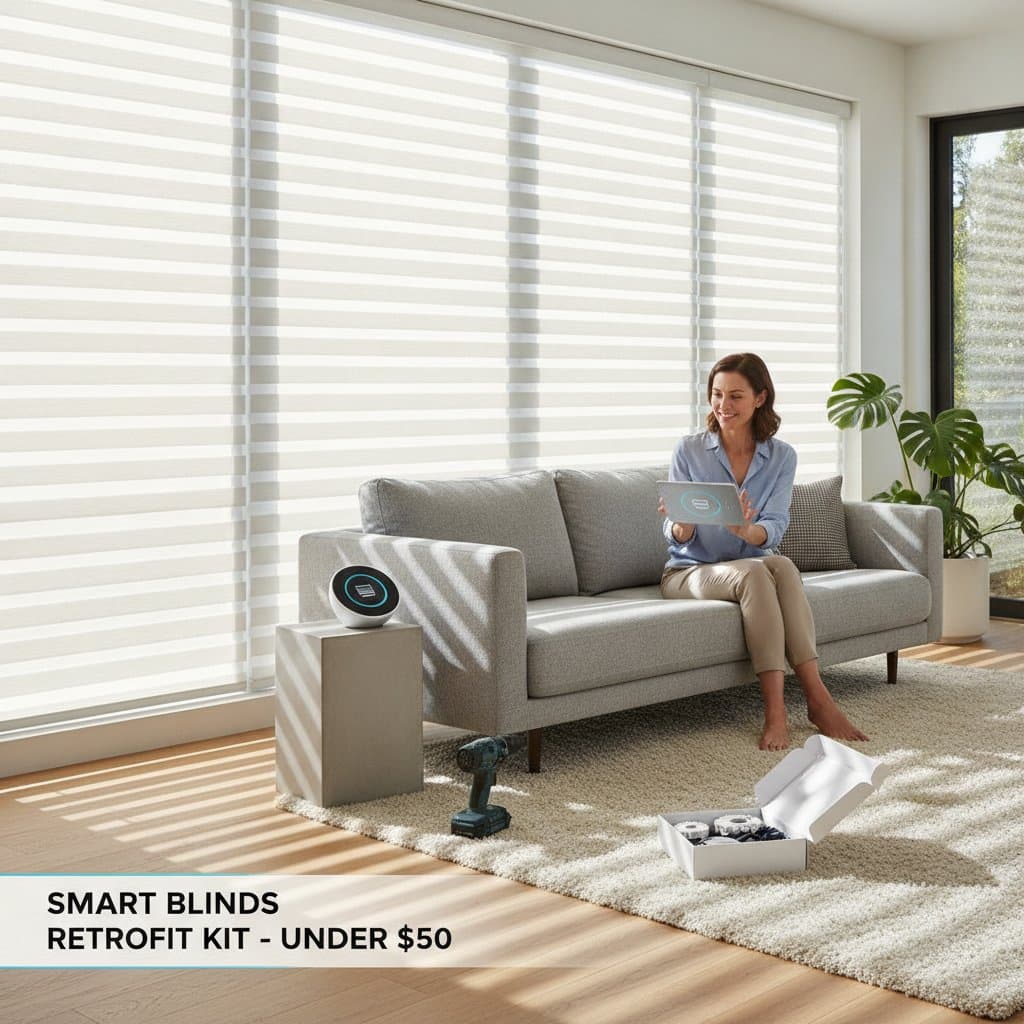
Retrofit Smart Blinds Under $50 Lead 2026 Market Trends
Smart home living has entered a new phase where convenience meets affordability. Among the most practical upgrades gaining attention are retrofit smart blinds that transform ordinary window coverings into connected, automated systems. What once required expensive installations and proprietary hubs can now be achieved for under 50 dollars. This shift is fueling a major trend in the smart home market.
Affordable Automation for Every Home
Retrofit smart blinds represent a major step in democratizing home automation. These devices attach to existing blind cords or rollers and connect through Wi-Fi or Bluetooth. Users control them with a phone app, remote, or voice assistant.
Homeowners no longer need to invest in custom smart shades that cost hundreds per window. Instead, they can upgrade what they already own for a fraction of the price. A growing number of companies are introducing kits under 50 dollars that perform reliably. These kits offer scheduling, voice commands, and light sensors that adjust blinds automatically based on daylight.
One example is a compact motorized retrofit kit that fits most standard blinds and syncs with smart home platforms like Alexa and Google Home. This kind of plug-and-play affordability is reshaping expectations for what a connected home can be.
Sustainability Meets Savings
Energy efficiency remains a top motivator behind smart home adoption. Retrofit smart blinds directly support that goal. By managing sunlight exposure, these devices help maintain indoor temperature and reduce strain on heating and cooling systems.
Households that automate blinds alongside thermostats report measurable drops in energy use. A retrofit solution that costs less than a dinner out can lead to consistent energy savings throughout the year. Many users schedule blinds to open during cooler hours and close when sunlight is strongest.
This growing awareness of sustainable living is influencing how consumers shop for technology. Products that combine convenience with conservation continue to gain traction.
The Next Step in Unified Smart Ecosystems
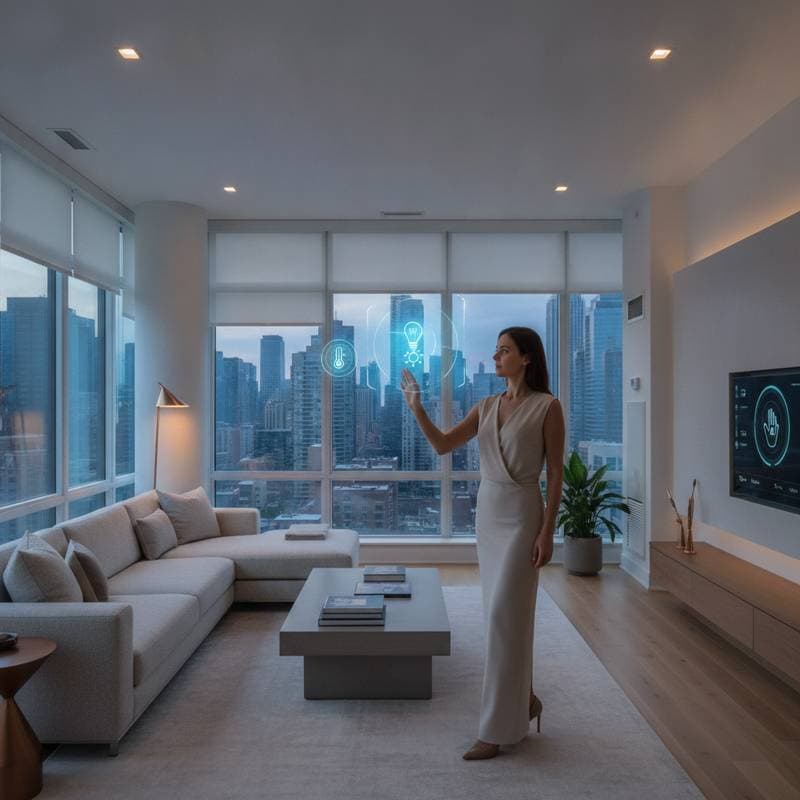
Integration is the new expectation for connected living. Retrofit blinds under 50 dollars are fast becoming essential components of unified smart ecosystems. When linked with lighting, security, and temperature controls, they create dynamic home environments that respond automatically to daily patterns.
A morning routine can include blinds that open gradually as coffee brews. Leaving for work can trigger every shade to close for privacy and energy conservation. Affordable retrofit devices make this kind of synchronized automation realistic for the average household.
Brands are rapidly ensuring compatibility with emerging standards that let devices from different manufacturers communicate effortlessly. This growing interoperability is pushing adoption further.
Simplicity Wins: Easy Installation and Setup
One of the biggest barriers to earlier smart blind systems was complexity. They required professional installation, proprietary hubs, and specific window fittings. Retrofit smart blinds remove those obstacles with designs that snap into place in minutes.
Most kits come with adhesive mounts or simple brackets, rechargeable batteries, and app-guided setup. The average user can attach one to a blind cord, connect it to Wi-Fi, and begin automating within an hour. Voice control integration adds another layer of convenience.
This simplicity is central to their market success. Consumers value products that deliver immediate results without technical frustration.
Expanding Beyond Convenience
While comfort and ease are obvious benefits, retrofit smart blinds also enhance privacy, security, and wellness. Automated schedules can simulate presence when homeowners are away. Light-based automation supports better sleep cycles by aligning indoor lighting with natural rhythms.
Some advanced models include sensors that respond to temperature or sunlight intensity. These sensors automatically adjust to protect furniture from UV exposure or prevent glare on screens. Manufacturers are already exploring ways to integrate air quality monitoring into similar form factors.
Market Momentum and Consumer Demand
Analysts tracking the smart home sector report that window automation is among the fastest growing categories within home improvement tech. The affordability of retrofit options under 50 dollars is a major driver. Surveys indicate that consumers are more likely to adopt automation when entry costs are low, installation is DIY-friendly, and compatibility is broad.
Retailers are responding by expanding shelf space for retrofit kits in both online and physical stores. The rising popularity of budget automation tutorials is also fueling awareness. As consumers realize that smart living no longer requires complex wiring or premium budgets, adoption accelerates naturally.
What It Means for the Smart Home Future
The surge of retrofit smart blinds under 50 dollars signals more than a passing trend. It points to a shift in how consumers perceive value in technology. The next phase of smart living focuses on adaptability, where existing homes can become intelligent without major renovation.
This democratization of automation has wide-reaching implications. Landlords can enhance rental properties without structural changes. Homeowners can experiment with smart features before committing to a full ecosystem. Even renters gain the freedom to personalize comfort without permanent installations.
Getting Started with Retrofit Blinds
For those considering an upgrade, starting with retrofit smart blinds is a practical first step. They deliver visible daily benefits, from smoother routines to lower energy bills, with minimal setup and cost. Pair them with smart lighting or thermostats to experience the multiplier effect of connected living.
As prices continue to drop and compatibility expands, expect these devices to become standard in new and existing homes alike. The shift toward affordable automation reflects a larger trend in home technology, one that values practicality as much as innovation.