Off-Grid Smart Homes: Solar Power for True Independence
Smart homes now extend beyond connectivity to full self-sufficiency. The latest developments focus on homes that function without grid support. Off-grid smart homes combine solar energy with automation to deliver reliable comfort and lower environmental impact.
The Shift Toward Energy Independence
Homeowners seek greater control over energy use amid rising utility rates and reliability concerns. Off-grid systems address these needs through solar panels, battery storage, and automated management tools. These setups provide independence from external power sources while preserving modern conveniences.
Survey data shows increased household investment in rooftop solar paired with storage. The primary motivations include protection from rate fluctuations and assurance during outages.
Core Components of an Off-Grid Smart Home
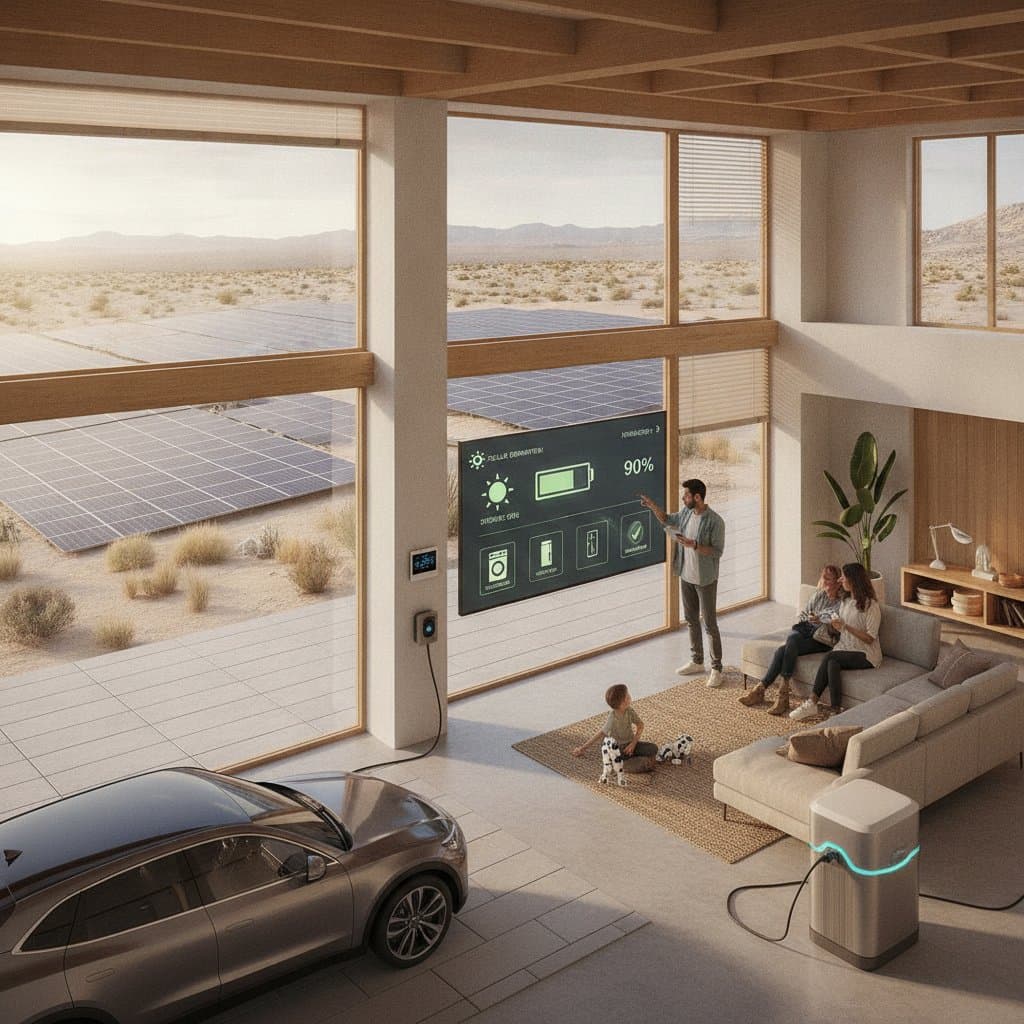
An off-grid smart home operates as an integrated system rather than isolated additions. Essential elements include solar panels for generation, batteries for storage, a central controller for distribution, and energy-efficient appliances. This combination allows continuous operation regardless of external supply.
Smart Energy Management Systems
Energy management software serves as the operational center. It tracks generation, storage levels, and consumption patterns in real time. The system then shifts tasks such as appliance cycles or vehicle charging to periods of peak solar output.
Products from established providers already deliver these functions through mobile interfaces. Owners gain precise visibility into energy flows and can rely on automation to reduce waste.
Integrated Solar and Battery Storage
Storage completes the path to independence. Modern battery units hold sufficient power for overnight household needs and can isolate essential circuits during disruptions. Advanced models incorporate weather data to prepare reserves in advance.
Manufacturers embed algorithms that anticipate usage based on past behavior. This approach improves reliability without requiring constant user input.
Appliance-Level Intelligence
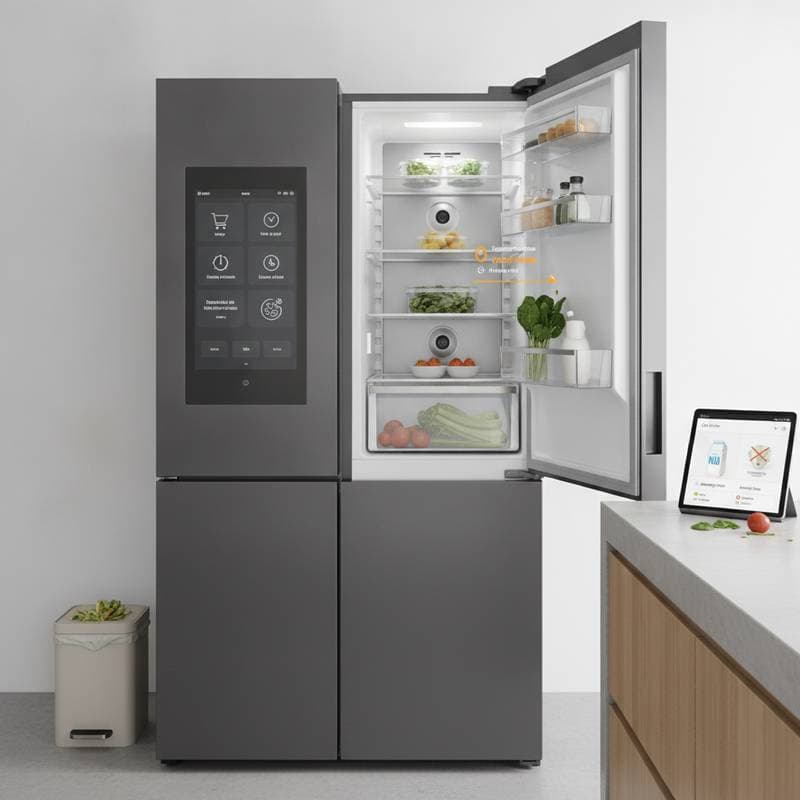
Appliances now participate directly in energy coordination. Refrigerators and washers can time their cycles according to available solar production. Brands develop models that communicate with the central hub to avoid simultaneous high-draw events.
Electric Vehicle Integration
Electric vehicles extend storage capacity. Bidirectional charging permits energy transfer between the vehicle and home. Supported models allow daytime solar collection in the car battery for evening household use.
Predictive Maintenance and Self-Healing Systems
Sensors enable early detection of performance issues in panels or batteries. Some inverters automatically adjust output to prevent overloads. These features minimize service needs and maintain consistent operation.
Water and Climate Integration
Resource management extends to water collection and irrigation controls tied to weather conditions. Climate systems adjust heating or cooling based on occupancy and current energy availability. The combined approach supports broader self-sufficiency.
Real-World Example: The Modern Solar Compound
New residential projects apply off-grid principles at the community scale. Shared microgrids allow excess production from one home to support neighbors. Adaptive software balances loads across properties to enhance overall stability.
The Benefits Beyond Power
These systems deliver resilience during outages and long-term cost reductions. Homeowners obtain clearer oversight of consumption and maintain consistent indoor conditions through automation. Sustainability becomes an integrated daily function.
Overcoming Barriers to Adoption
High initial investment and installation complexity remain considerations. Emerging communication standards improve compatibility across equipment brands. Incentive programs and increased familiarity continue to support wider implementation.
Living with a Smarter Grid Independence
Daily operation requires little active oversight once configured. Systems handle load balancing and timing automatically. Residents report reduced concern over supply interruptions and expenses.
Moving Toward a Self-Powered Future
Solar and automation technologies now support comfortable off-grid living at scale. Homes balance efficiency with occupant needs through continuous adaptation. This model offers a practical route to independence for those prioritizing control and resource responsibility.