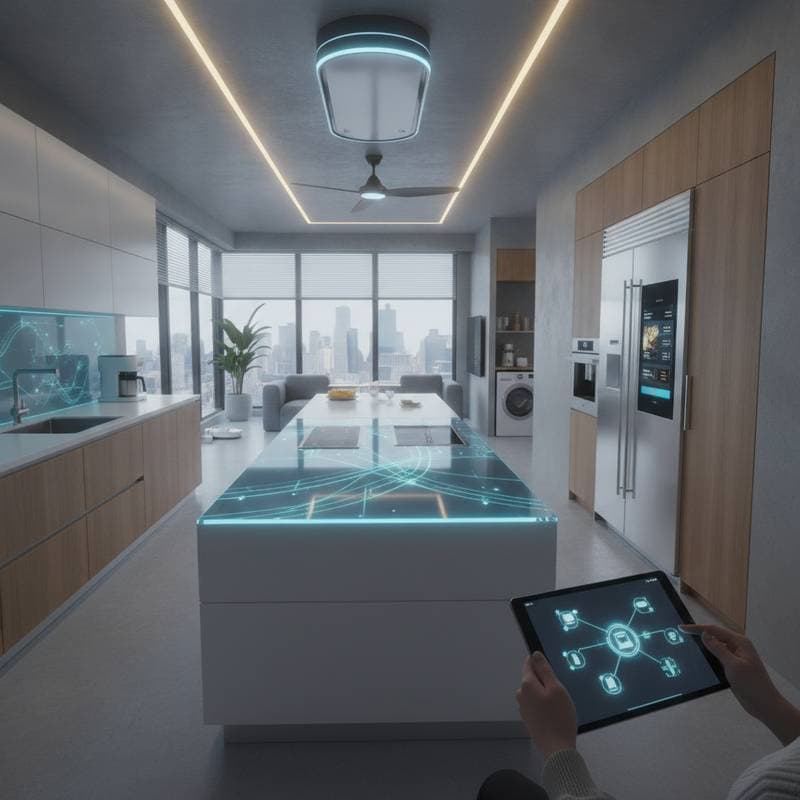
Smart Appliances Connect Directly Without Hubs
Smart homes are moving from novelty to necessity. What once required complex setups, multiple hubs, and a stack of companion apps is now shifting toward direct, seamless connections between devices. The latest generation of smart appliances communicates independently, creating a simpler, faster, and more responsive home experience.
The End of the Hub Era
In the early days of smart homes, a hub was essential. It acted as a central translator for devices that used different signals or protocols. While functional, it also created friction. Users had to manage compatibility lists, firmware updates, and network configurations. The new wave of hubless appliances eliminates that middle layer entirely.
By connecting directly over Wi-Fi or Bluetooth, these devices integrate faster and respond more reliably. It means you can buy a smart oven or washing machine, connect it to your home network, and start automating routines within minutes. Brands like LG, Samsung, and GE are already producing connected appliances that skip the hub and sync directly with smartphone apps or voice assistants.
Simpler Setup, Smarter Control
Direct connectivity removes one of the biggest barriers to smart home adoption: complexity. Many consumers found hubs confusing, which slowed down the shift toward fully automated households. Now, setup is as straightforward as connecting to Wi-Fi.
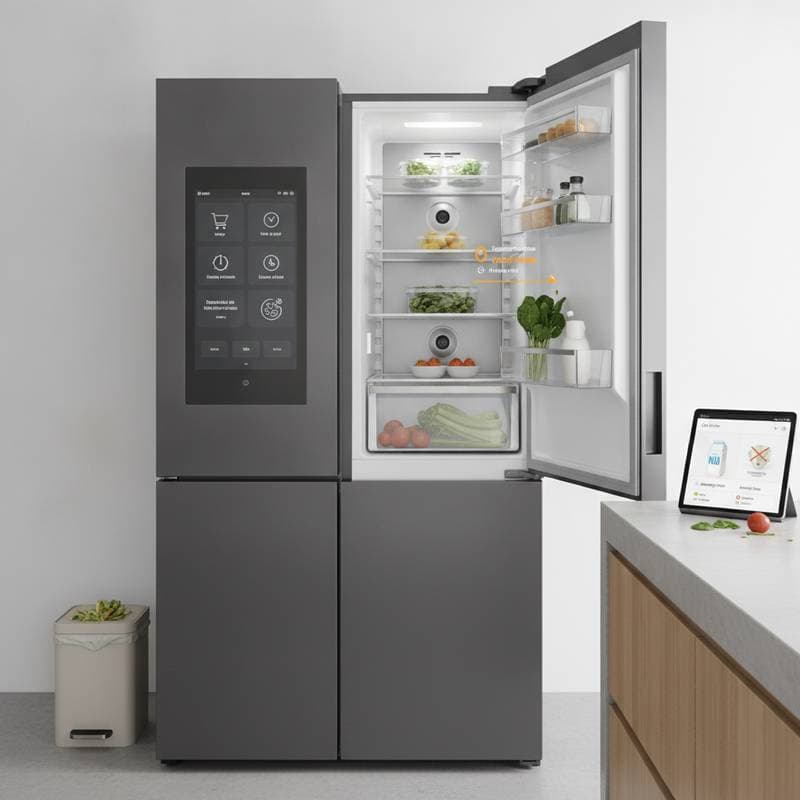
Imagine purchasing a smart refrigerator that instantly links to your virtual assistant without any extra hardware. It can notify you when groceries are running low, adjust cooling zones based on door openings, and even share recipe suggestions. This level of convenience makes the technology accessible to more households, not just early adopters.
Unified Ecosystems Without the Middleman
The rise of universal smart home standards has made hubless operation more practical. These standards ensure that devices from different brands can communicate smoothly, giving homeowners the freedom to mix and match. A hubless kitchen might include a Bosch dishwasher, a Samsung refrigerator, and a Philips lighting system, all managed through a single app or voice platform.
For users, this means fewer apps, fewer cables, and fewer points of failure. It also means faster updates and more secure connections since the data travels directly between your appliance and your network without routing through a third-party hub.
Efficiency That Feels Effortless
Hubless smart appliances save more than setup time. They also optimize daily routines. A connected air conditioner could learn your schedule and start cooling your home before you arrive. A washing machine could sync with energy usage data to run at off-peak times, lowering your utility bill. These features combine convenience with sustainability, showing how direct connectivity contributes to smarter energy use.
Market analysts have observed that consumers are prioritizing interoperability and simplicity over cutting-edge specs. The appeal lies in how these devices make life smoother, not just more high-tech. When your appliances work together without extra equipment, your home feels more cohesive and intuitive.
Selecting Your Next Appliances
As more brands adopt hubless designs, consumers gain freedom and flexibility. The smart home evolves from a complex network into a natural extension of everyday life. No extra bridges or proprietary connections are required, just direct communication that works.
For anyone upgrading their home, the shift to hubless automation offers a chance to simplify. Choose appliances that connect directly, look for devices certified for universal compatibility, and enjoy a setup that just works. The future of home automation is not about adding more hardware. It is about making every connection seamless, every interaction effortless, and every moment at home just a little bit smarter.