Smart Homes Make Aging in Place Safer and Simpler
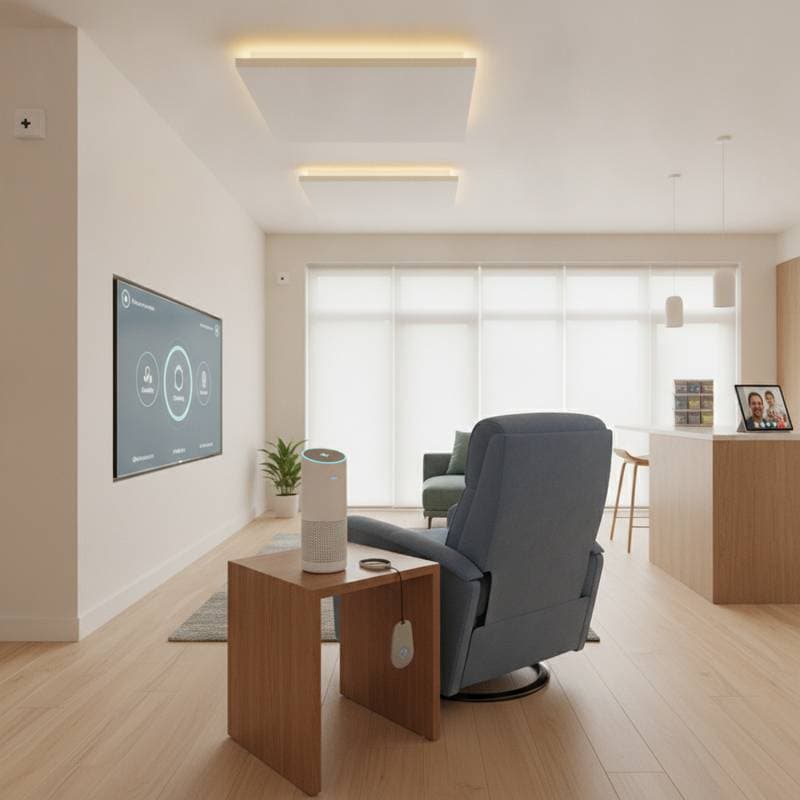
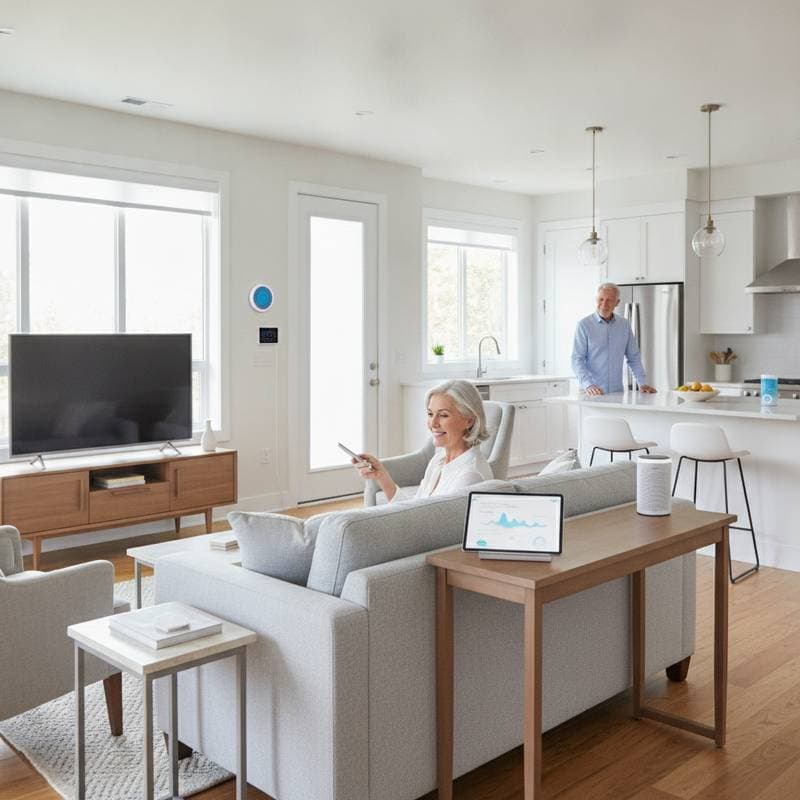
Smart homes for elderly care combine safety sensors, adaptive lighting, and health tracking to support independent living while maintaining privacy and family connection.
Loading...

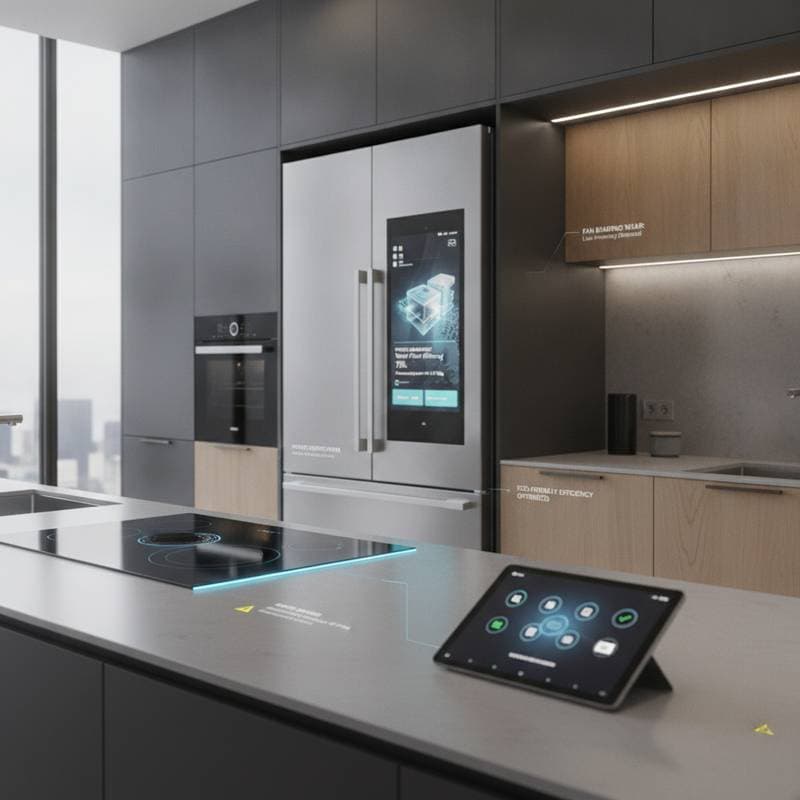
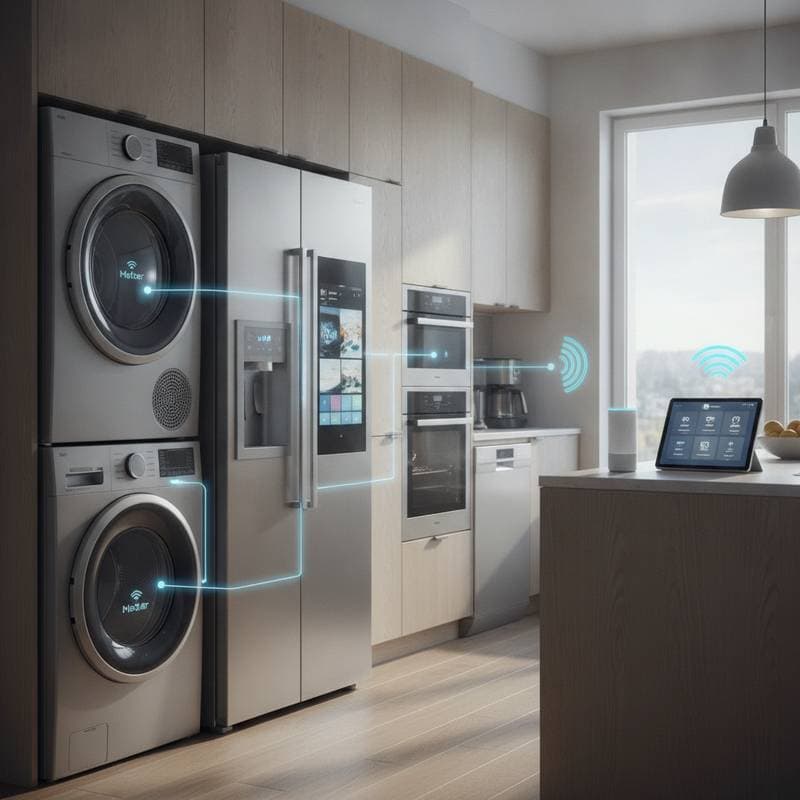
Smart kitchens are evolving beyond convenience into self maintaining ecosystems. New appliances use sensors and AI to detect issues early, prevent breakdowns, and extend lifespan. These innovations deliver fewer surprises, lower costs, and greater reliability.
Explore our collection of smart related content
Smart homes for elderly care combine safety sensors, adaptive lighting, and health tracking to support independent living while maintaining privacy and family connection.
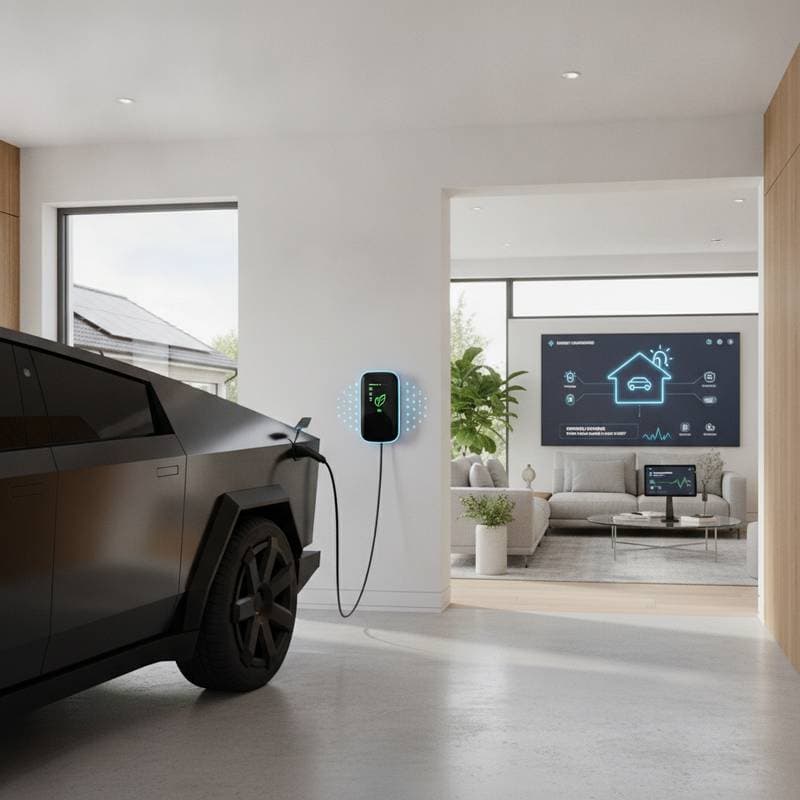
Smart homes are transforming EV charging by automatically adjusting to energy prices, weather, and renewable availability. These intelligent systems cut costs, reduce grid strain, and use solar or stored power when possible. With seamless automation and real time optimization, homeowners gain efficiency, sustainability, and effortless control over their energy future.
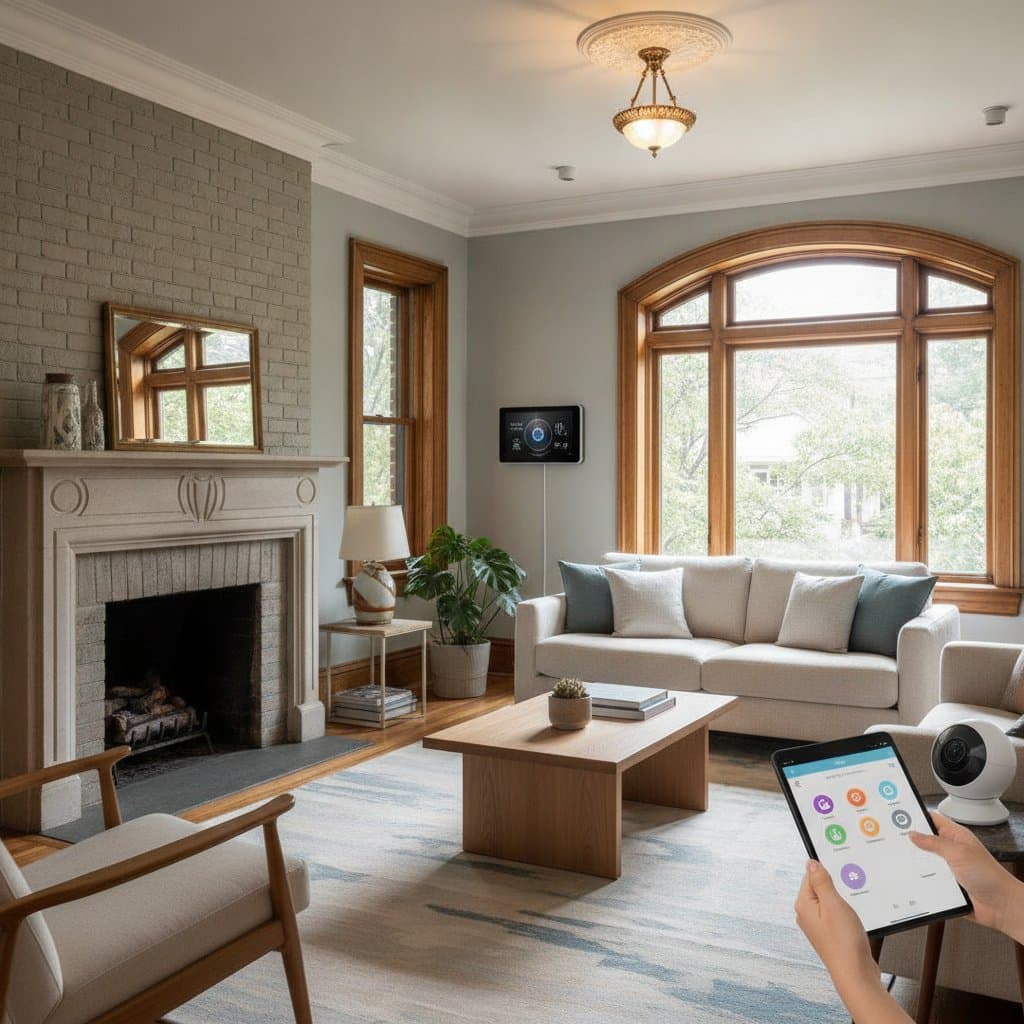
Transform your vintage home into a modern smart haven without tearing down walls. This guide reveals how to use wireless tech such as Wi-Fi, Zigbee, or Thread to add intelligent lighting, climate control, and security. Step-by-step upgrades preserve charm, boost efficiency, and bring cutting-edge convenience to any older house.
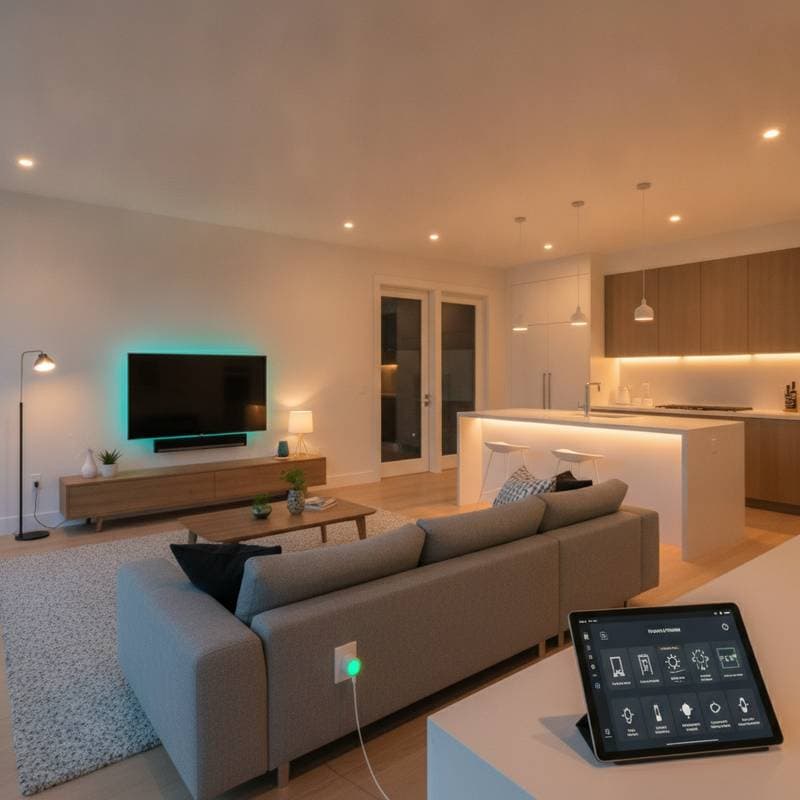
Transform your home with smart lighting at a practical cost. This guide shows how to create a fully connected setup under $200 using hub-free bulbs, light strips, and smart plugs. Learn how to plan, prioritize, and automate lighting for comfort, efficiency, and modern convenience.
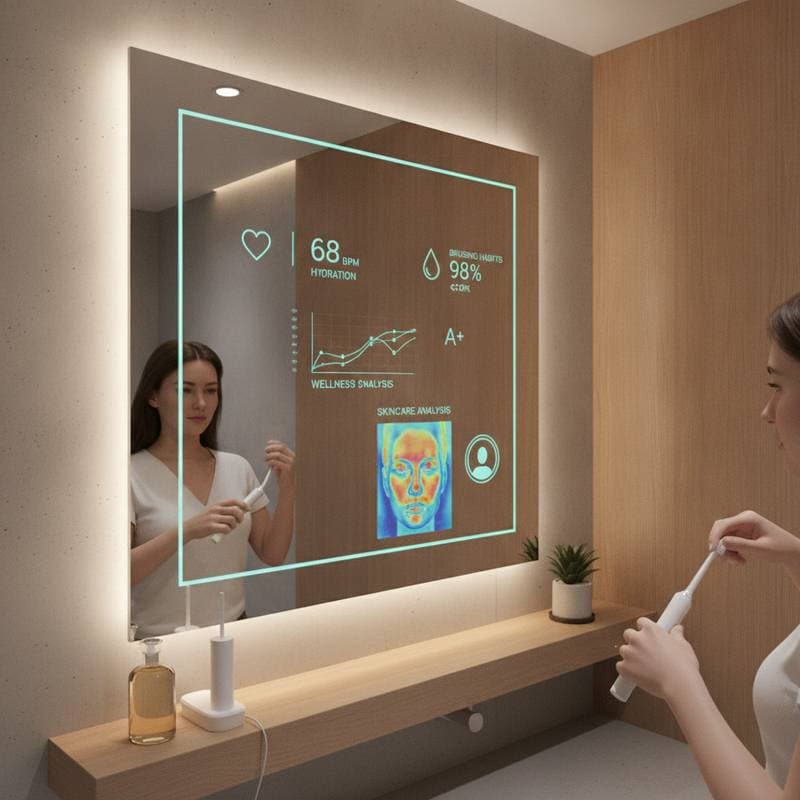
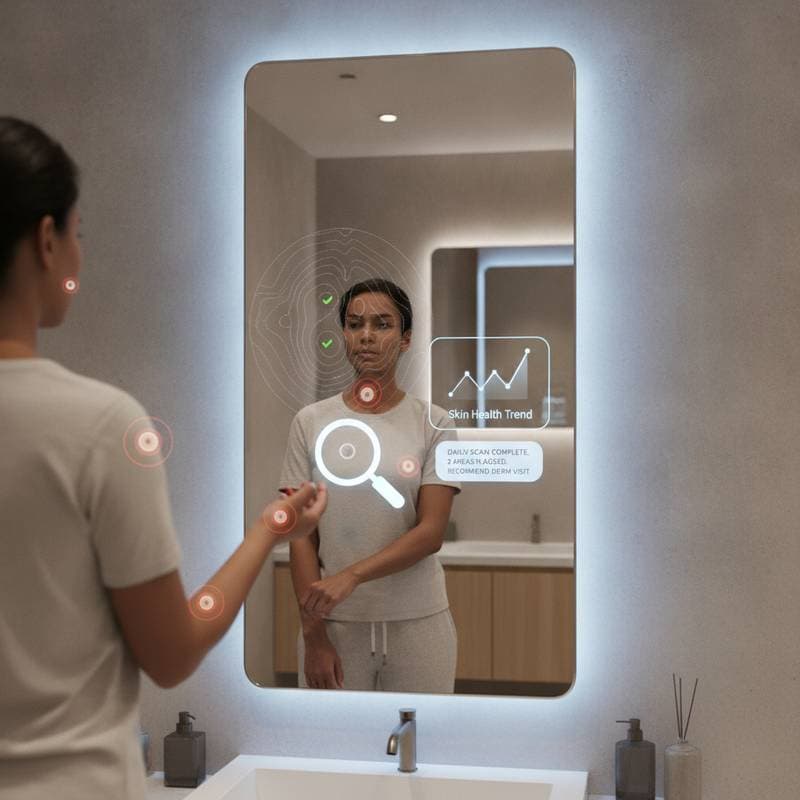
Smart mirrors convert ordinary bathroom time into health monitoring sessions. Sensors and AI track hydration, heart rate, and oral care while providing immediate, personalized feedback.
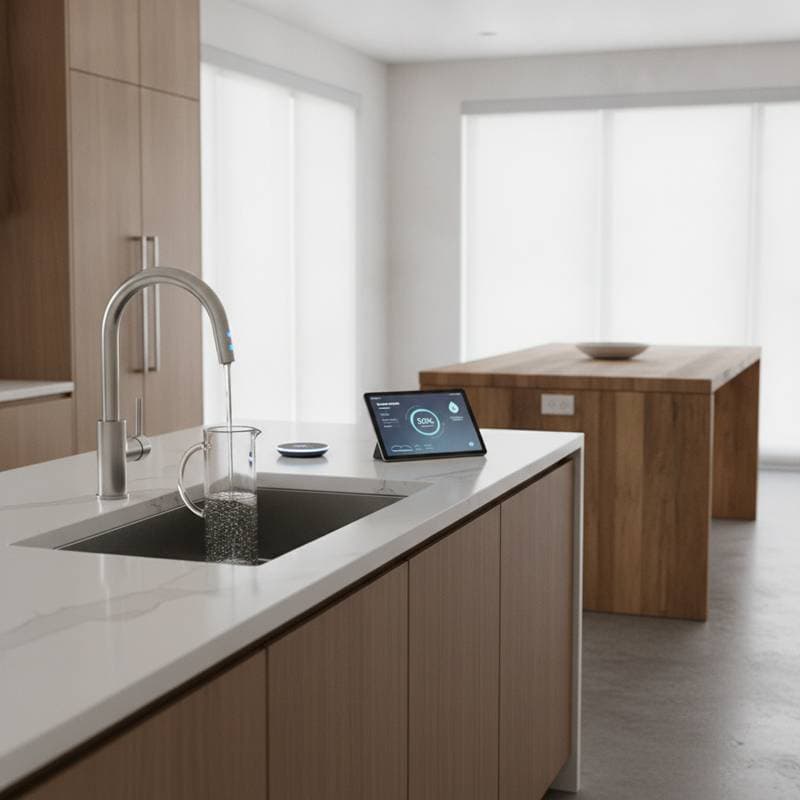
Touchless faucets use motion sensors to cut kitchen water waste by up to 50 percent. They combine hygiene, convenience, and smart features that support daily routines and long term sustainability.
Smart blinds now sync with circadian rhythms to support better sleep, steadier mood, and consistent energy. Automated adjustments recreate natural light patterns and integrate with other home systems for improved daily routines.
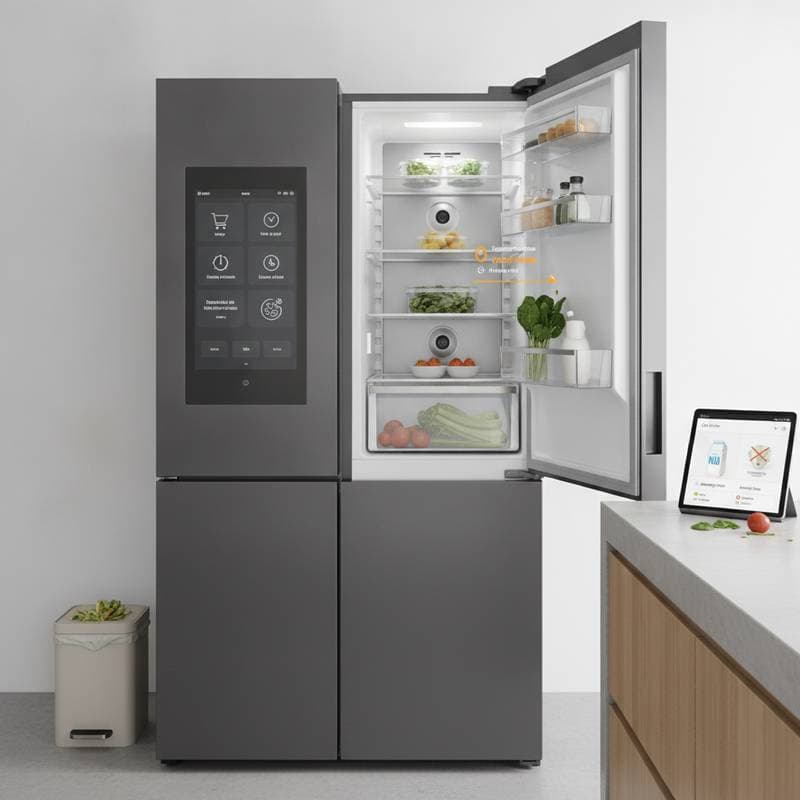
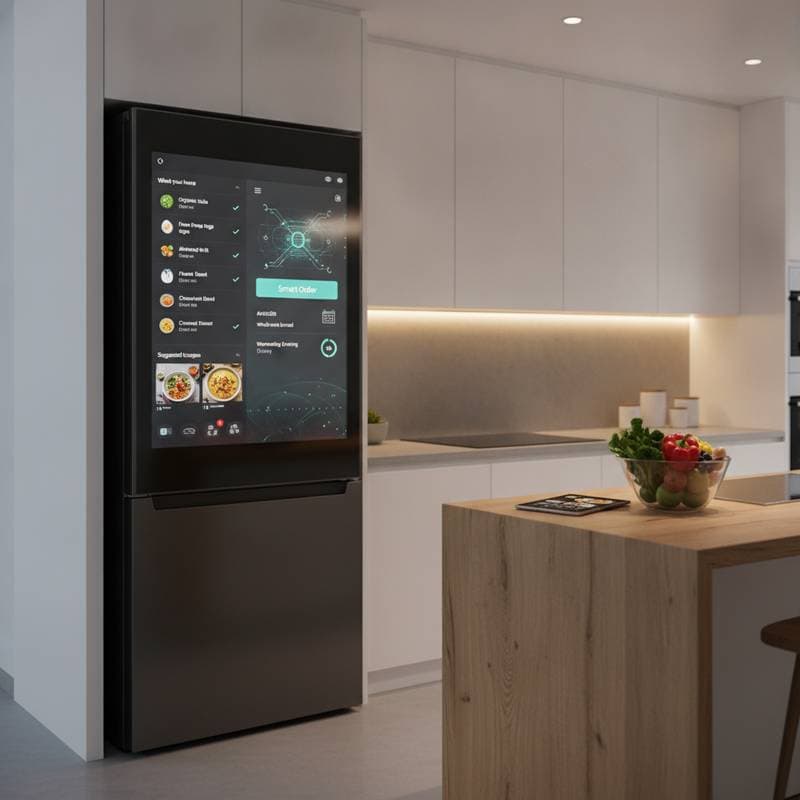
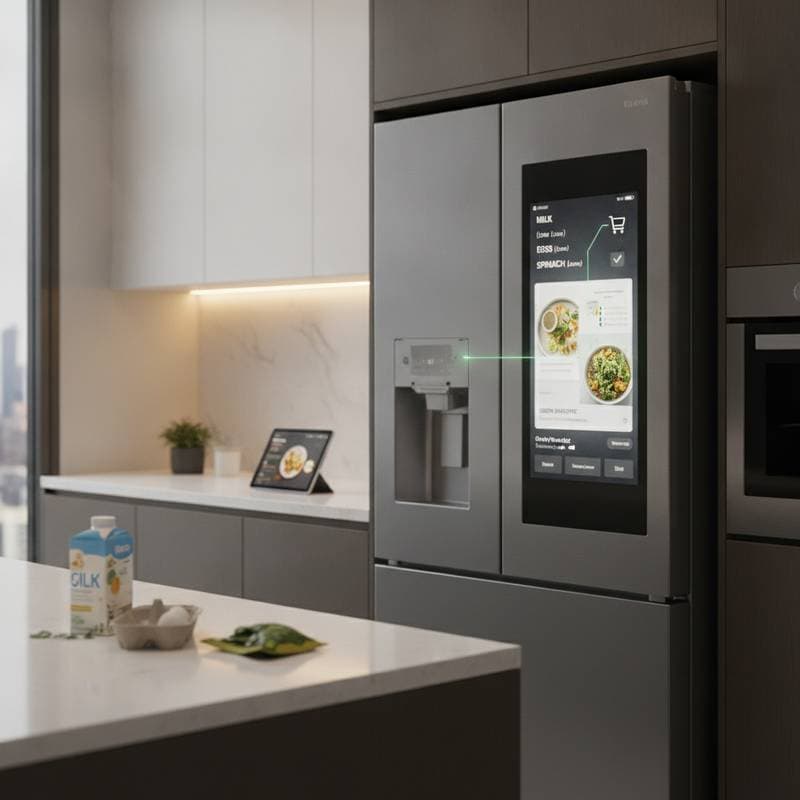
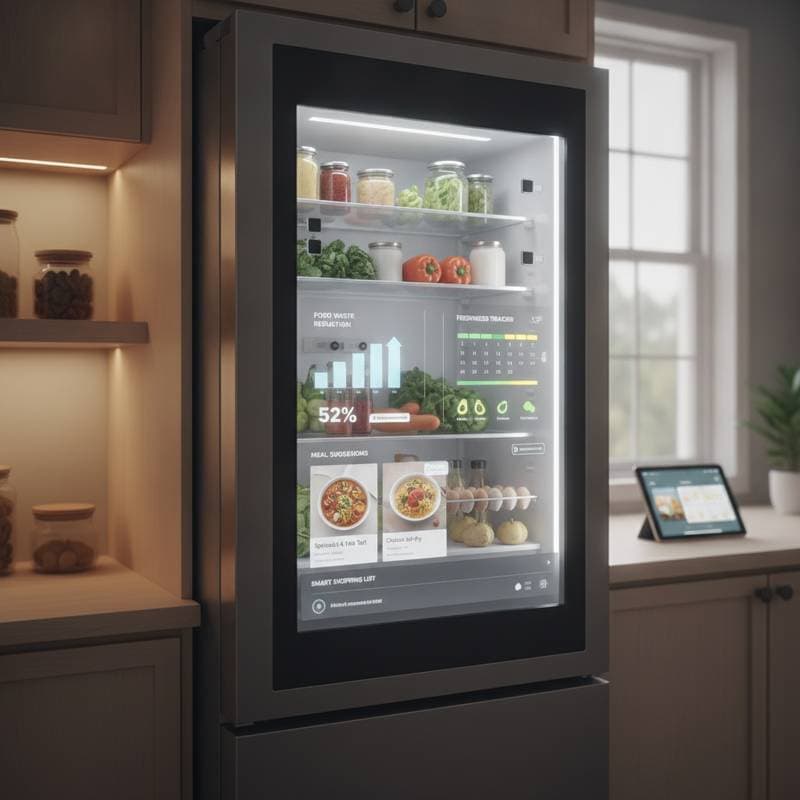
AI-powered smart fridges are transforming kitchens into predictive hubs that track inventory, suggest recipes, and automatically order groceries. By learning user habits and reducing waste, these appliances simplify meal planning and save money. With growing integration and privacy safeguards, the fridge is evolving into the intelligent core of connected homes.
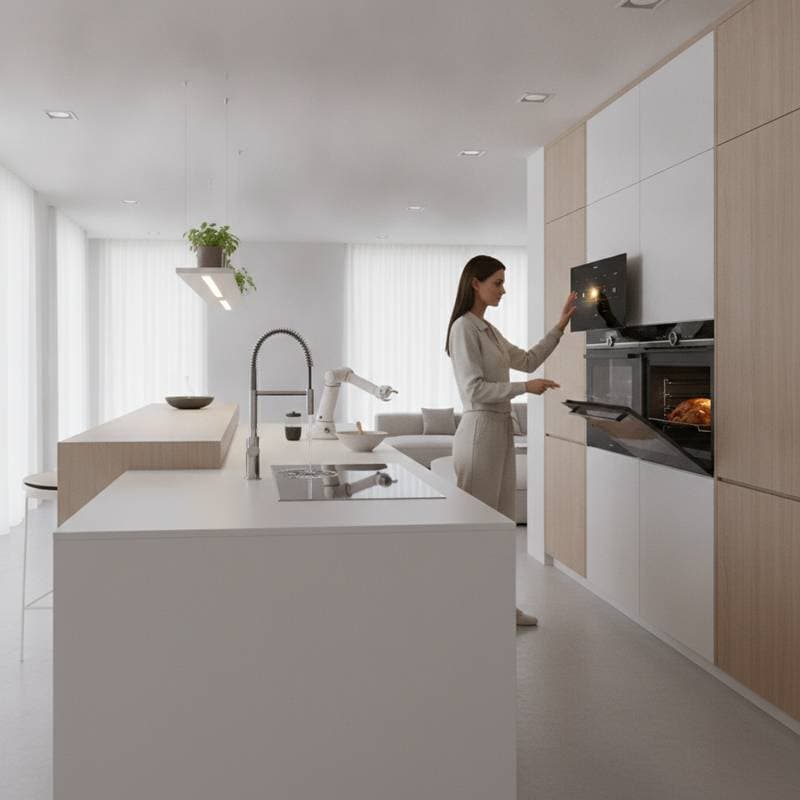
Gesture control turns kitchens into touchless environments. Motion sensors replace buttons on faucets, ovens, and lights. The systems improve hygiene, support accessibility needs, and reduce energy use through automatic responses.
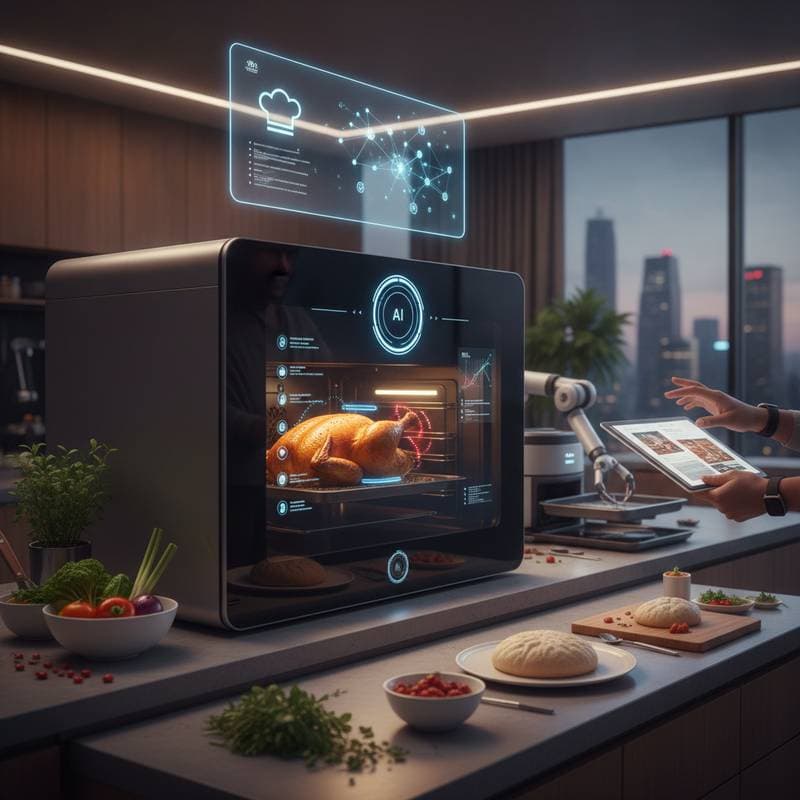
Smart ovens use sensors, cameras, and machine learning to identify food, track preferences, and automate precise cooking. These appliances reduce manual effort while improving consistency and energy efficiency in daily meal preparation.
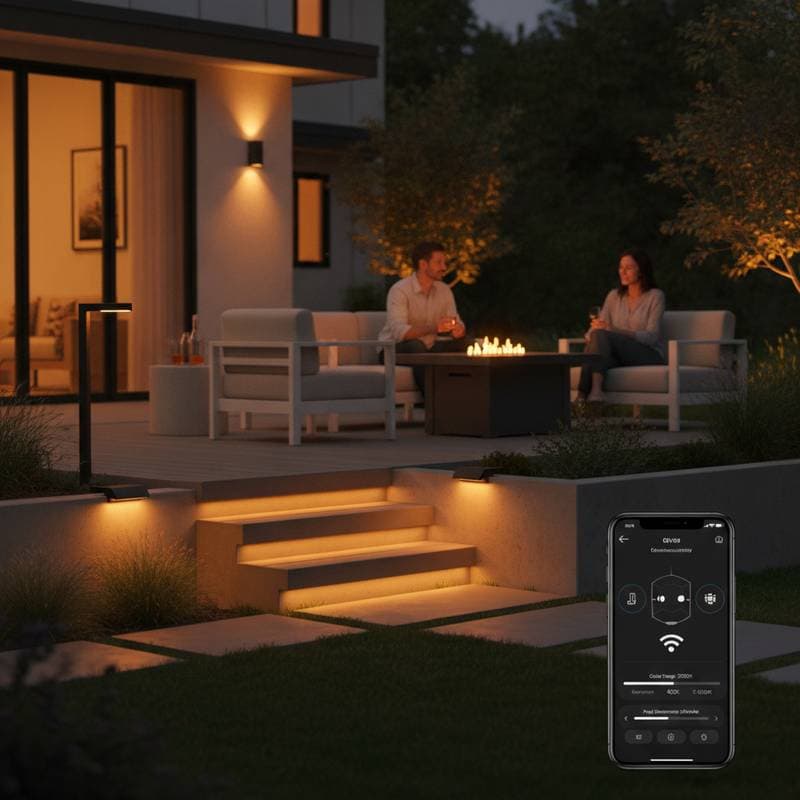
Smart outdoor lighting reduces pest activity by up to 75 percent through warmer color temperatures, motion activation, and timed schedules. Homeowners gain comfortable outdoor spaces with lower energy costs and minimal maintenance.
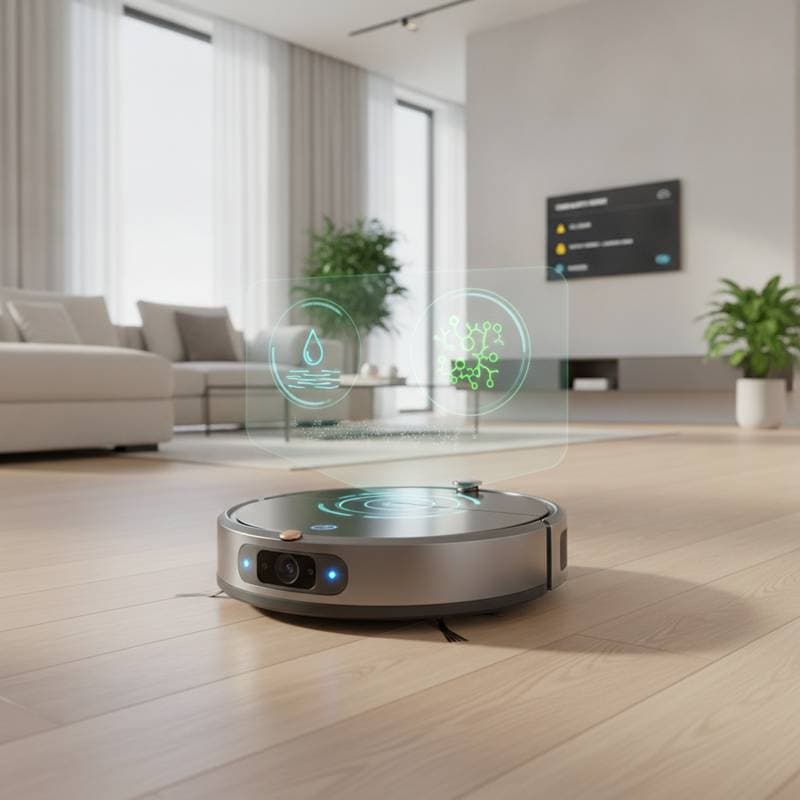
Robot vacuums now serve as early warning systems. Equipped with cameras and environmental sensors, they identify moisture, heat, and air quality issues during routine cleaning.
Medicare now covers select smart home technologies that support safe aging in place. Motion lighting, health sensors, and integrated systems enhance independence when properly documented and installed.
Smart appliances now connect directly via Wi-Fi, Bluetooth, or Matter. This approach removes hubs, reduces clutter, and improves compatibility while maintaining energy efficiency.
Smart refrigerators monitor contents, integrate with recipes, and reorder essentials through connected services. Models range from basic inventory apps to full command centers that reduce waste and simplify planning.
AI-powered smart refrigerators cut food waste by half through real-time inventory tracking, predictive freshness alerts, and recipe suggestions that help households shop smarter and cook more efficiently.
Affordable retrofit smart blinds under $50 are transforming ordinary homes into smart, energy-efficient spaces. Easy to install and compatible with major platforms, they democratize automation once reserved for luxury homes. Combining convenience, sustainability, and integration, these devices signal a new era where intelligent comfort becomes standard, accessible, and effortlessly connected.
By 2026, solar-powered smart homes combine adaptive energy systems, intelligent batteries, and connected appliances to achieve true off-grid living. These homes learn usage patterns and optimize every resource for comfort, security, and sustainability.
Robot chef arms use AI and sensors to prepare hundreds of recipes from scratch, handling chopping, stirring, and plating while connecting to smart home devices for streamlined meal routines.