Gesture Control Brings Touchless Ease to Smart Kitchens
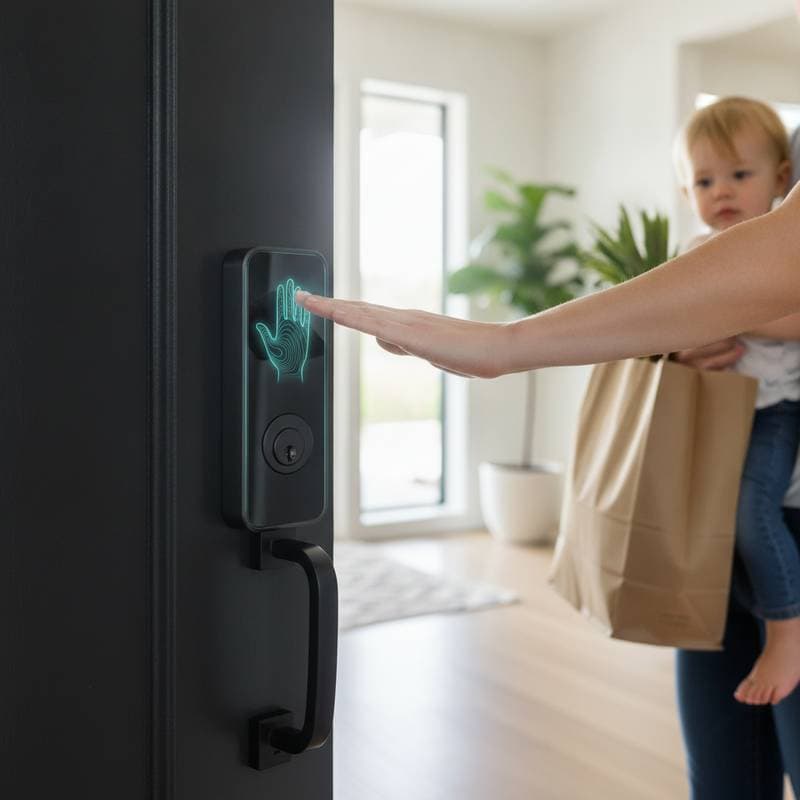
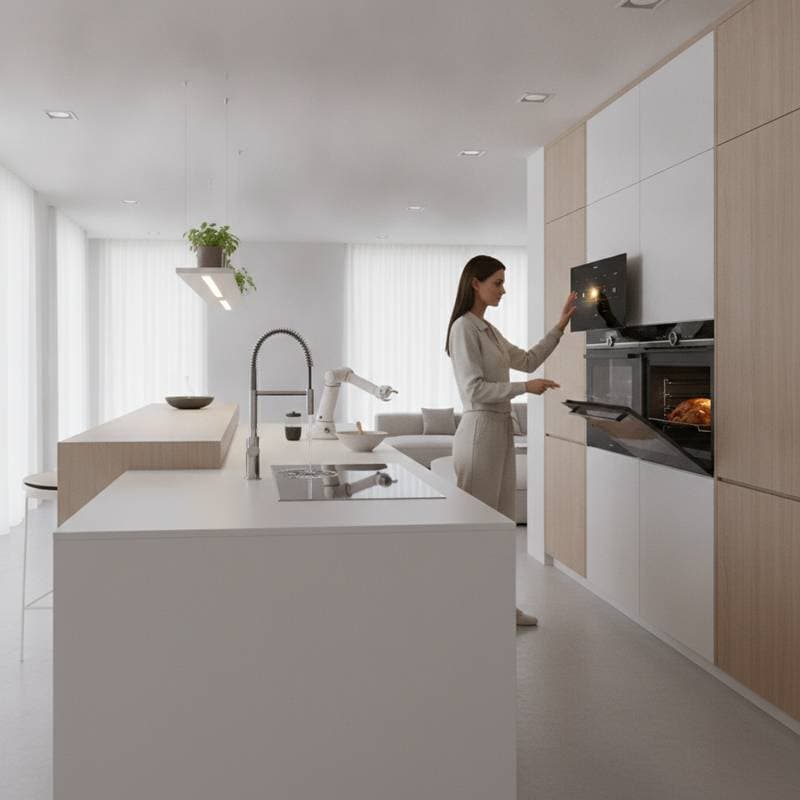
Smart kitchens now move past voice commands and app controls. Gesture systems let users wave a hand to activate the faucet, adjust oven settings midair, or start appliances with a flick. This approach merges natural motion with hygiene and efficiency goals. The kitchen becomes a responsive space that reacts directly to movement.
Why Gesture Control Matters in the Kitchen
Kitchens see heavy use and frequent messes. Hands covered in food make button presses or screen taps impractical. Gesture control removes contact needs and supports users with limited mobility. It creates a consistent interaction method across devices.
Sensors now track motion with greater precision. This development turns gestures into a reliable control method for daily tasks.
The Technology Behind Touchless Interaction
Gesture systems combine motion sensors, infrared detection, and computer vision. Radar sensors capture three dimensional movement while depth cameras sit inside appliances. A central hub processes signals and links devices. A wave near the sink turns on water while a circle raises temperature.
Artificial intelligence improves accuracy over time. Systems record household patterns and reduce false triggers. The result is a setup that adapts to individual routines.
The Hygiene Advantage
Physical handles and switches collect germs during food prep. Gesture control eliminates these surfaces. Shared kitchens in offices gain the same protection through fewer contact points.
Real-World Examples of Gesture-Controlled Appliances
Manufacturers already ship working models.
- Smart faucets activate with proximity waves and adjust temperature through specific motions while cutting water use.
- Ovens read hand signals to open doors or change heat settings without reaching across hot surfaces.
- Range hoods respond to upward or sideways gestures that control fan speed and lighting.
- Coffee makers and blenders accept wrist rotations or palm signals for speed and start functions.
Integration with Broader Smart Ecosystems
One gesture can trigger multiple devices. A motion near the stove may raise lights, start ventilation, and set a timer. Interoperability standards allow different brands to share commands. The kitchen operates as one coordinated system.
Systems also record frequent gestures and apply them automatically. This learning turns initial novelty into expected convenience.
Overcoming Barriers to Adoption
Users cite concerns about accidental activation. Manufacturers counter with adjustable sensitivity zones and distance limits. Component costs drop as automotive and gaming markets scale production. Modular designs let owners add features without full replacement.
The Role of Artificial Intelligence and Context Awareness
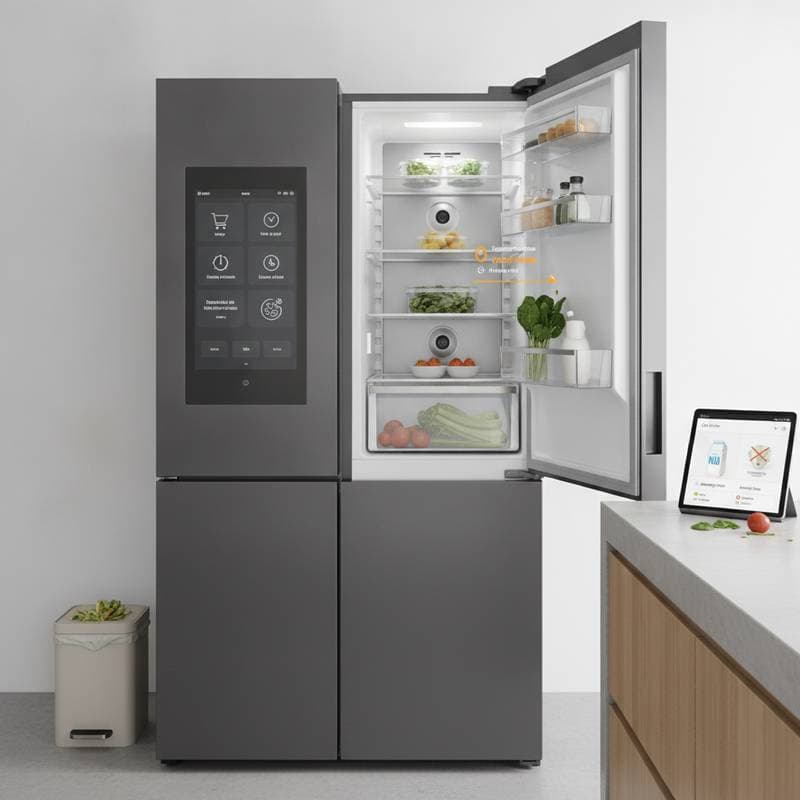
Context improves usefulness. Evening waves at the sink can produce warm water and low lights while morning gestures yield cooler water and bright task lighting. Cameras inside ovens accept thumbs up signals to confirm steps or swipes to advance instructions.
Gesture Control in Sustainable Design
Automatic shutoffs reduce water and power waste. Fewer moving parts lower repair frequency. These traits support longer appliance life and lower resource use.
Gesture options also aid accessibility. Users with reduced dexterity avoid difficult buttons and gain independent control.
The Future of Gesture-Driven Kitchens
Recognition zones will expand across counters and walls. Micro gestures will replace large motions. Sensors will hide inside lighting fixtures and edge details. The space will respond to presence with minimal visible action.
Adding Gesture Control to a Kitchen
Homeowners can begin with one device such as a faucet. They should confirm platform compatibility before buying additional units. Sensitivity settings and gesture definitions allow fine tuning. Modular choices keep the system open to later upgrades.