Smart Fridges Use AI to Auto-Order Groceries from Recipes
Nearly half of connected homeowners now rely on at least one smart kitchen appliance. The refrigerator is quickly becoming the most intelligent of them all. Smart fridges analyze contents, suggest recipes, and order missing ingredients. These features move from novelty to functional reality.
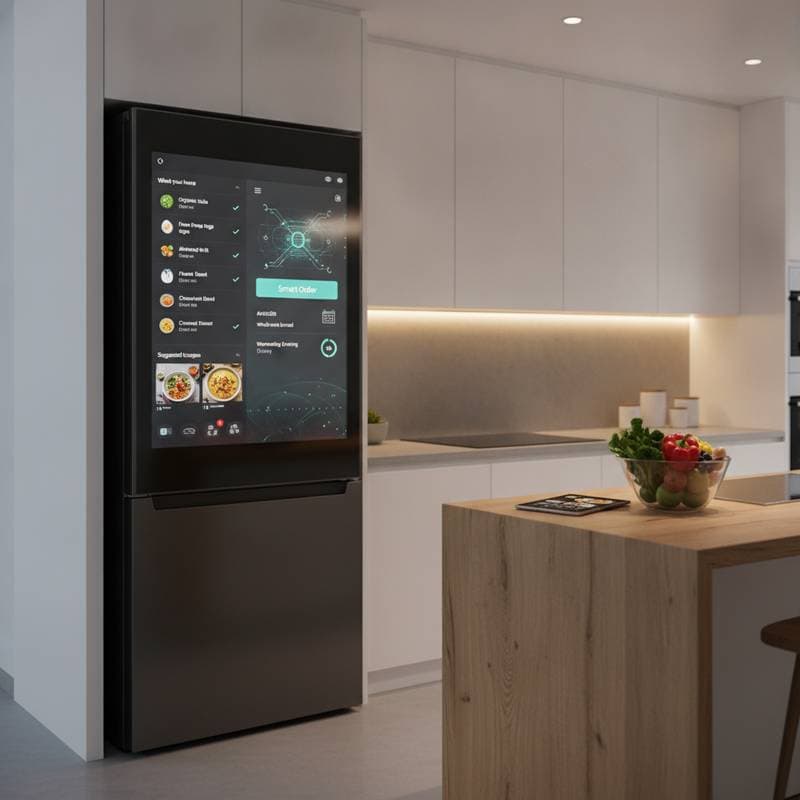
What once required multiple apps and manual lists now happens with a single glance at a digital screen on the fridge door. This new wave of connected refrigeration combines artificial intelligence with everyday habits. Grocery shopping becomes simpler. Meals grow more personalized. Waste drops dramatically.
From Inventory Tracking to Predictive Intelligence
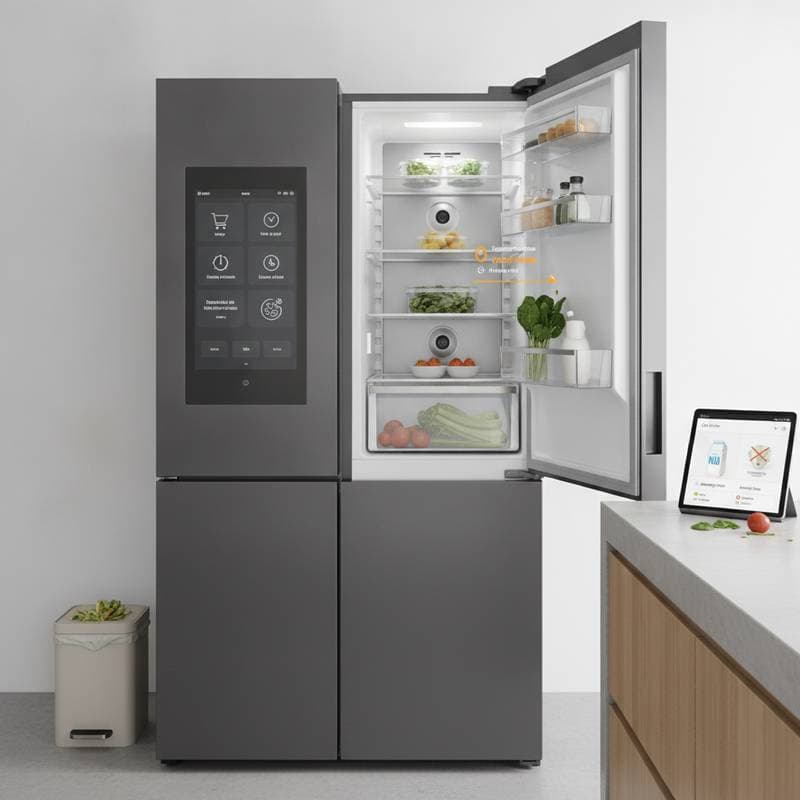
Early smart fridges emphasized convenience features such as touchscreens, cameras, and connected apps. The latest generation adds predictive intelligence. Built-in sensors and cameras track fridge contents. Machine learning models analyze usage patterns over time.
The system learns which items households consume regularly. It identifies how quickly items run out. It also notes preferred recipes. The refrigerator recommends meals based on available items. It creates shopping lists for missing ingredients. It places grocery orders through partnered retailers. The process requires little input once preferences are understood.
Benefits for Busy Households
Grocery management remains one of the most repetitive weekly tasks. Forgetting an ingredient disrupts meal planning. A predictive smart fridge maintains a virtual pantry that updates in real time. These systems adapt to individual cooking styles.
Users who follow specific diets receive tailored recommendations. Portion sizes adjust automatically for families or singles. The goal centers on making better choices easier rather than replacing personal decisions.
Current Market Examples
Samsung Family Hub refrigerators use internal cameras to identify products and connect with online grocery services. LG ThinQ platforms integrate with recipe databases that trigger auto-ordering when ingredients run low. Whirlpool has tested partnerships with delivery platforms connected to inventory systems.
Voice assistants and mobile apps support these integrations. Users approve, modify, or delay orders through simple commands. The fridge functions as a planning assistant that anticipates needs.
Waste Reduction and Cost Savings
Food waste concerns households for environmental and financial reasons. Smart fridges track expiration dates and suggest recipes that use items before spoilage. The technology matches purchases with actual consumption. Ordering only necessary items reduces over-purchasing.
Paired with grocery delivery subscriptions, predictive ordering produces consistent savings. The appliance keeps food fresh and budgets under control.
Addressing Privacy and Compatibility
Privacy and data security remain key considerations. These devices rely on image recognition and purchase history. Manufacturers address concerns through local data processing and transparent settings. Users control how information is shared.
Interoperability requires standard communication between the fridge, grocery services, and other devices. Growing support for universal standards reduces setup complexity across brands.
Enhanced Cooking Experiences
Users decide on dinner and view recipes based on current inventory. The fridge displays options, suggests missing ingredients, and schedules delivery. Recipes adjust to dietary goals. This approach creates an intuitive cooking process.
Families turn meal planning into a shared activity. Children select recipes from the screen. Parents approve orders from phones. The technology adds collaboration to kitchen routines.
Integration in Connected Homes
The smart fridge serves as a central hub that links nutrition, convenience, and sustainability. Predictive algorithms will integrate more deeply with systems that manage lighting, temperature, and energy. Homes will adjust environments automatically during dinner preparation.
Consumers gain simplified routines through intelligent assistance that remains natural. The kitchen functions as both the heart and the operational center of the home.