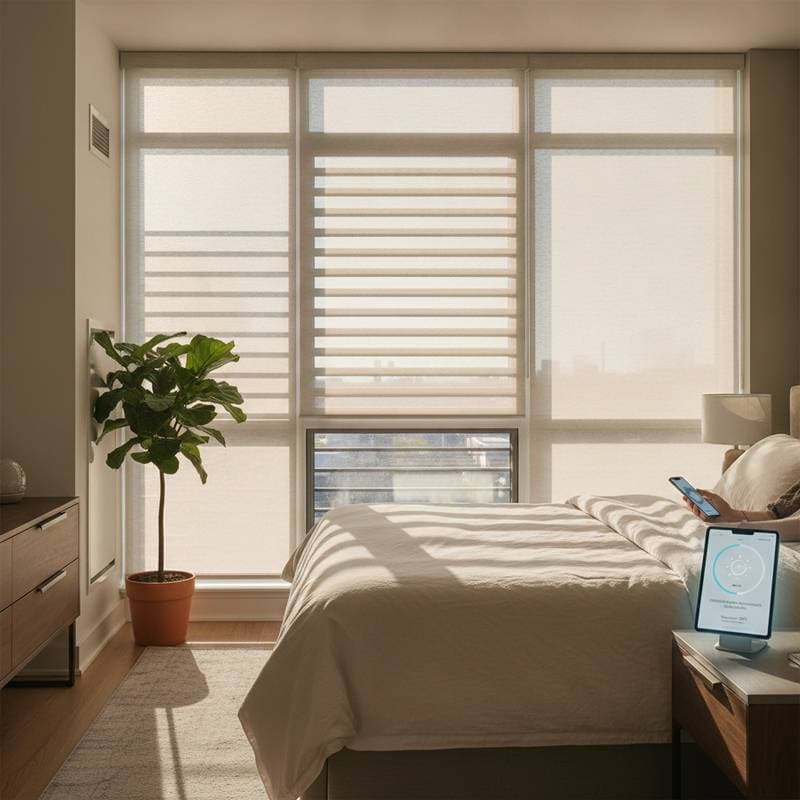
Smart Blinds Align with Circadian Rhythms to Improve Sleep
Nearly half of homeowners now own at least one smart device. This trend points to homes that adapt to human needs. Smart blinds that match circadian rhythms stand out among recent advances. They improve sleep quality, mood, and daily energy levels. These products move beyond basic automation to support biological patterns that govern rest and alertness.
Picture the blinds opening gradually at dawn. Light intensity rises in step with the sun. The room brightens without sudden glare or sound based alarms. In the evening the same system closes the blinds on schedule. Blue light exposure drops and melatonin production can begin without interference.
How Circadian Rhythms Respond to Light
The circadian rhythm functions as an internal clock. Light detected by the eyes tells the brain to reduce melatonin. Darkness reverses the signal and allows melatonin to rise. Indoor living and constant screen use often weaken these cues. Smart blinds restore timing by tracking outdoor light levels and adjusting window coverage automatically.
Evolution from Automation to Health Features
First generation smart blinds offered remote control and scheduled movement. Later models add sensors and learning algorithms. They record wake times, bedtimes, and typical activity patterns. The system then creates light schedules that follow personal rhythms instead of fixed clock times.
Impact on Sleep Quality
Consistent natural light exposure during the day helps people fall asleep faster at night. Smart blinds manage the amount and timing of light that enters each room. This control compensates for limited daylight in offices and apartments. Users report steadier energy and fewer mid afternoon dips.
Circadian Lighting Across the Full Day
Morning settings favor cooler, brighter light to support alertness. Midday tones remain neutral for sustained focus. Evening settings shift toward warmer, lower intensity light. When blinds coordinate with smart bulbs the entire room follows the same progression.
Current Product Capabilities
Manufacturers now combine light sensors, weather data, and sleep tracker input. Blinds can open minutes before a set alarm to ease the transition to wakefulness. Cloudy forecasts trigger supplemental indoor lighting. Nighttime closure happens automatically and connected lights dim in sequence.
Connection to Full Home Systems
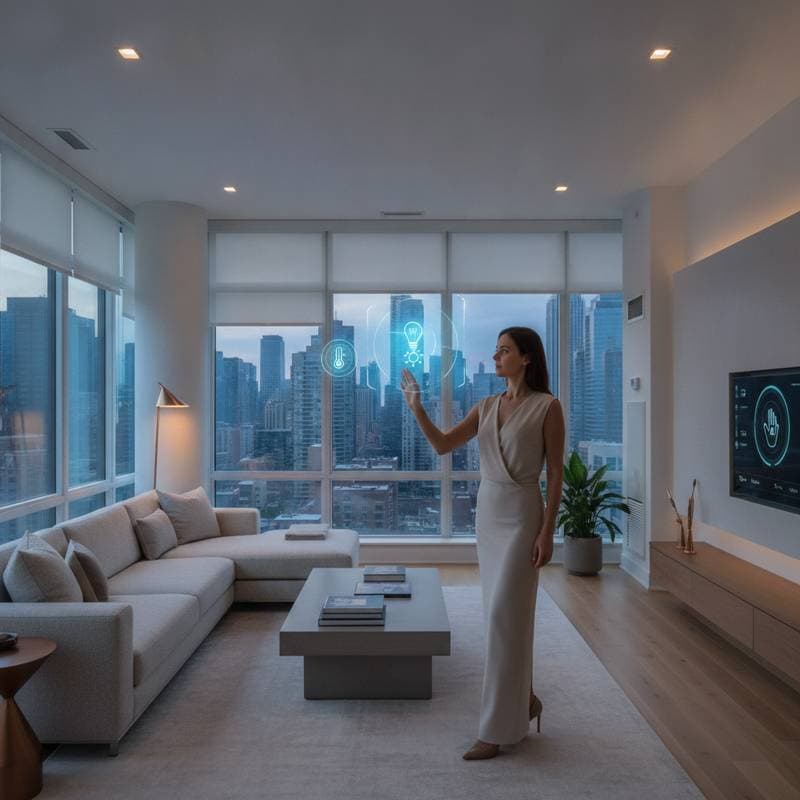
One blind improves light control on its own. Greater benefit appears when the device joins a larger network. Voice commands can trigger a sequence that closes blinds, lowers temperature, and reduces lighting together. The Matter standard allows products from separate brands to operate on the same platform.
Additional Practical Advantages
Automated blinds reduce heating and cooling loads by blocking or admitting sunlight at optimal times. They also limit ultraviolet exposure that fades fabrics and flooring. Privacy settings close coverings at dusk when interior lights turn on. These functions operate without repeated manual input.
Data Driven Adjustments
Wearable devices supply sleep data that refines blind schedules. Later than usual bedtimes prompt earlier evening closure. Users retain manual override options through mobile apps. Custom settings accommodate different preferences for brightness ramp speed.
Addressing Cost and Installation
Higher prices and wiring requirements slow adoption in some homes. Battery powered units and solar options reduce installation complexity. Market growth continues to lower entry costs. Messaging from retailers now highlights health outcomes alongside convenience.
Human Centered Product Design
Recent development places biological needs ahead of pure automation. Light, temperature, and sound are tuned to support mood and performance. Smart blinds exemplify this direction by converting a standard window treatment into an active wellness element.
Selection Criteria
- Confirm compatibility with existing voice assistants and hubs.
- Verify automatic response to sunlight intensity and time of day.
- Check for learning functions that adapt to recorded routines.
- Evaluate battery life and motor noise levels before purchase.
Daily Experience After Installation
Wake up periods feel smoother because light intensity builds gradually. Evening wind down starts earlier as the room darkens on schedule. Irregular work hours become easier to manage when light cues remain consistent. Families notice steadier bedtimes for children when the same patterns repeat each day.
Expanding Role in Future Homes
Materials that change opacity in response to cloud movement are already in testing. Health platform connections will allow blinds to react to real time biometric readings. The result is an environment that coordinates multiple factors to match natural daily cycles.