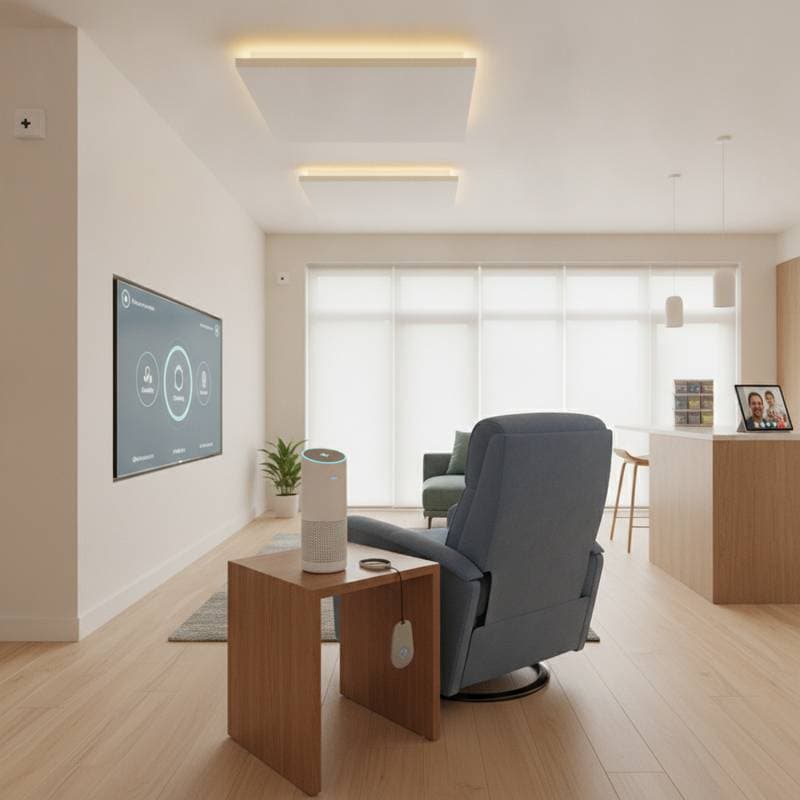
Elderly Care Smart Homes: Becoming the New Standard
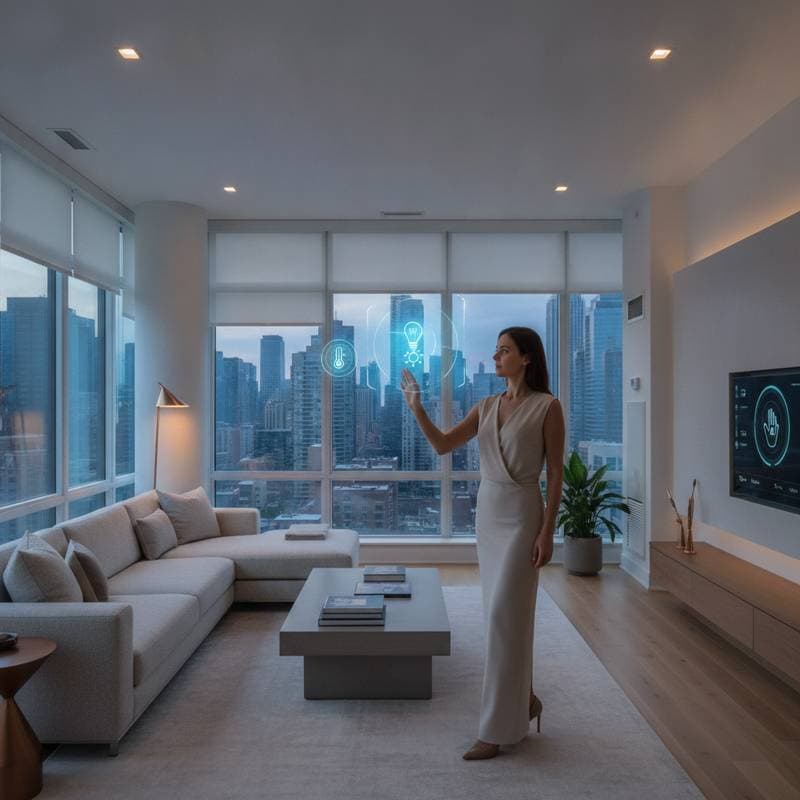
Imagine walking into a home where lights adjust automatically to movement, temperatures stay comfortable, and quiet alerts notify loved ones of unusual activity. For families supporting older relatives, these capabilities represent practical solutions rather than distant possibilities. Smart homes designed for elderly care now serve as a standard approach to safe and independent living.
Addressing Risks of Living Alone
Many families face the tension between a parent's desire to remain at home and concerns about falls, medication adherence, or isolation. Basic modifications such as grab bars provide limited support. They do not track health patterns or initiate automatic responses. Smart home systems fill this gap by combining everyday comfort features with reliable monitoring.
Aging in place continues to grow as a preferred option. Technology now makes this choice more manageable for seniors and their families.
Core Functions of Smart Homes for Aging in Place
Effective systems rest on three elements: safety monitoring, daily comfort adjustments, and clear communication channels. Sensors observe movement and vital signs. Automation handles routine tasks such as lighting and temperature control. Voice interfaces allow simple interaction without complex screens.
Fall detection now operates through radar or thermal sensors instead of wearable buttons. Thermostats maintain consistent temperatures that ease joint stiffness. Kitchen appliances can power down after periods of inactivity. These layers work together to reduce worry.
Practical Steps to Create a Supportive Environment
-
Install reliable presence sensors first.
Systems that detect motion without requiring worn devices form the base layer. The Aqara FP2 Presence Sensor uses millimeter wave radar and sends alerts after extended inactivity. The CarePredict Tempo Series 3 learns individual movement patterns. Higher end options such as the SafelyYou Vision AI System provide immediate video confirmed alerts. -
Improve lighting with motion activation.
Motion triggered lights reduce nighttime falls. Wyze Bulb Color units offer basic remote control. Philips Hue kits allow zoned brightness settings. Lutron Caseta systems support scheduled scenes and voice commands across major assistants. -
Control temperature and air quality.
The Amazon Smart Thermostat handles basic scheduling. The Ecobee Smart Thermostat Premium adds room occupancy detection and air quality reports. The Nest Learning Thermostat adapts to daily routines and permits remote family adjustments. -
Enable straightforward voice communication.
Amazon Echo Show 8 and Google Nest Hub Max support video calls and medication prompts. These hubs connect to other devices for unified control. Camera functions can be disabled while voice responses remain active. -
Incorporate wearable health monitors.
The Fitbit Sense 2 tracks heart rate and stress indicators. The Apple Watch SE includes built in fall detection. The Withings ScanWatch provides ECG readings and sleep apnea screening with secure data sharing options.
Additional Benefits That Strengthen Daily Life
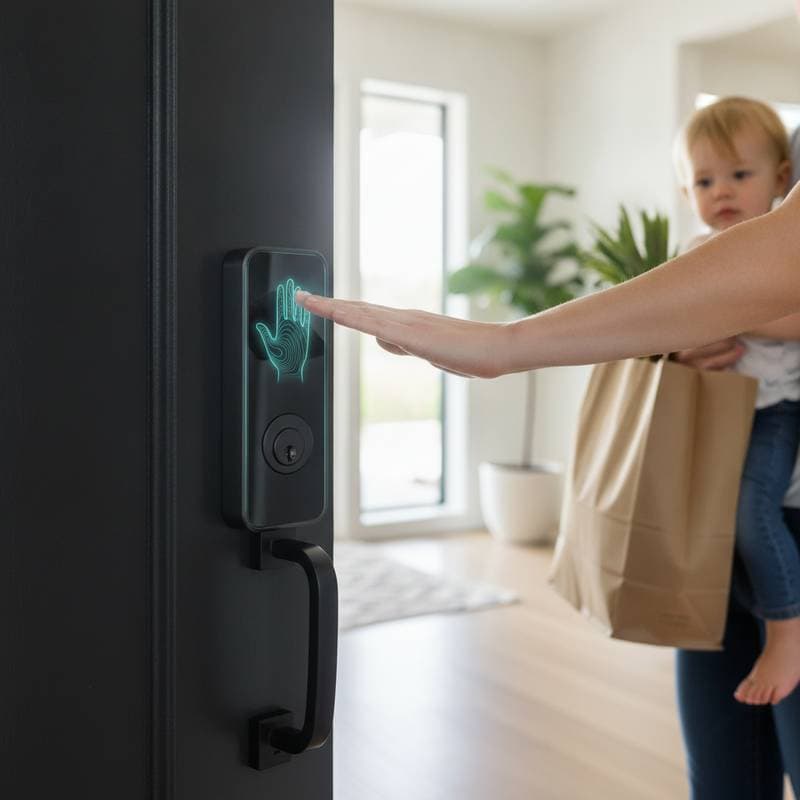
Motion and activity data can reveal gradual changes in routines before problems escalate. Platforms such as CarePredict apply pattern analysis to issue early warnings. Smart locks with scheduled access codes allow caregivers temporary entry without key exchanges.
Budget Planning and Phased Implementation
Entry level packages under 500 dollars cover basic bulbs, a thermostat, and one sensor. Mid range investments between 1000 and 2000 dollars add multi room lighting and voice hubs. Comprehensive setups above 3000 dollars integrate cameras and professional monitoring.
Compatibility checks prevent integration issues. Apple HomeKit works well with Eve and Lutron devices. Alexa platforms pair effectively with Wyze and Ring products. Licensed electricians should handle any wiring requirements.
Privacy Controls and Ongoing Maintenance
Review data sharing settings on every device. Use encrypted networks and limit sensor placement to necessary areas. Test alert functions monthly and apply firmware updates promptly. Most components remain functional for five to ten years with regular software support.
The Personal Value of These Systems
Families maintain contact without constant oversight. Seniors keep control over their schedules while receiving quiet assistance. Automated lights in hallways or hydration reminders reduce daily friction and support dignity.
Starting the Process
Begin with one or two devices and expand after confirming ease of use. Focus on automation that operates in the background. These connected tools protect residents, simplify routines, and maintain privacy at the same time.