Touchless Faucets Reduce Kitchen Water Waste by Half
Smart kitchens continue to advance from novelty toward practical necessity. One upgrade driving this change is the touchless faucet. These motion activated fixtures combine convenience, hygiene, and sustainability. They transform daily cooking and cleaning tasks while cutting water use substantially.
Everyday Water Loss in the Kitchen
Running water during dish washing or produce rinsing appears minor at first. Those extra seconds accumulate across multiple tasks each day. Households lose tens of gallons through repeated small inefficiencies such as leaving the tap on while scrubbing. Traditional manual faucets allow water to flow even when it serves no purpose.
Sensor Technology in Action
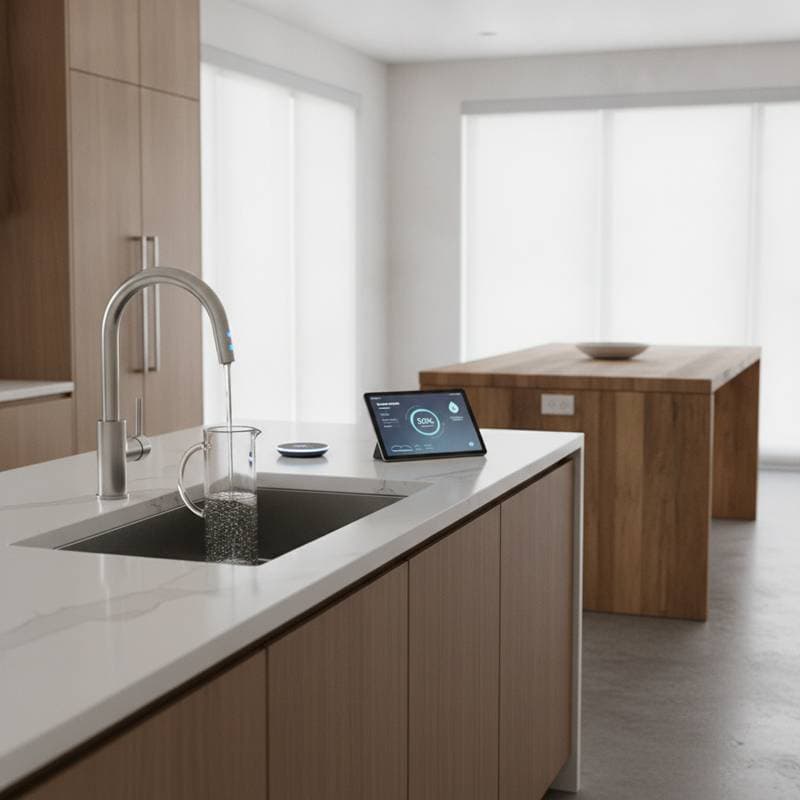
A touchless faucet contains motion sensors that detect a hand or object near the spout. Water begins immediately upon detection and stops when movement ends. This process eliminates the need to touch handles with soiled hands. Many units include adjustable flow regulators and preset temperatures that match common kitchen routines.
Models from established manufacturers pause flow automatically when a pot moves away and resume the same rate upon return. Such control reduces excess water and supports simultaneous tasks. The result is precise management rather than constant flow.
Household Benefits and Savings
Kitchens represent a major portion of total home water consumption. A 50 percent reduction produces noticeable drops in monthly utility costs along with a smaller environmental impact. Families focused on conservation gain a straightforward method that integrates into existing habits. The approach also aligns with ongoing local water conservation programs.
Hygiene improves because users avoid contact with faucet handles. This feature limits transfer of bacteria that collect on frequently touched surfaces. Households that prioritize cleanliness have found particular value in this design.
Connection to Smart Home Systems
Current touchless models integrate with voice assistants and kitchen displays. Commands such as fill the pasta pot produce exact water volumes without manual adjustment. Companion applications display real time usage data that reveals consumption patterns over weeks and months.
These details allow gradual habit adjustments that support lasting conservation. Integration has become a standard expectation in updated kitchens. Future models will likely refine water management through automatic learning of user routines.
Installation and Cost Factors
Replacement of a standard faucet with a touchless unit often requires only basic tools. Battery powered or plug in options avoid any need for new wiring. Initial purchase prices exceed those of manual models, yet water savings and longer product life deliver returns within a few years. Most households report they prefer the hands free operation after the first week of use.
Renters or cautious buyers can start with portable sensor adapters. These attachments fit existing faucets and deliver motion control without permanent changes. The adapters provide an opportunity to test performance before committing to full replacement.
Practical Steps Toward Conservation
Touchless faucets demonstrate that resource savings can occur without added effort or disruption. They deliver accuracy, cleanliness, and ease in one of the busiest areas of the home. Continued development will bring further automated features that respond directly to daily needs.