Smart Kitchens Now Feature Self Diagnosing Appliances
Smart kitchens are entering a new phase of intelligence. The latest appliances no longer just respond to voice commands or automate cooking routines. They can now diagnose their own issues before a human even notices something is wrong. This shift represents a major leap toward kitchens that maintain themselves and save homeowners time, frustration, and costly repairs.
From Smart Control to Smart Awareness
Until recently most connected kitchen devices focused on convenience and control. Users could preheat an oven from a phone, brew coffee automatically, or receive alerts when a fridge door was left open. The conversation is now turning toward predictive maintenance. Appliances sense irregularities, interpret data, and alert users or service providers before a failure occurs.
Self diagnosing technology gives appliances something that feels close to intuition. Sensors collect performance data around temperature, vibration, and energy use. Machine learning models interpret patterns and identify early signs of trouble such as a clogged filter or a motor running outside its normal range. The result is a home that not only reacts but anticipates.
Why Predictive Maintenance Matters
Broken appliances rank among the most inconvenient household surprises. A dishwasher that stops mid cycle or a fridge that fails overnight can disrupt daily life and waste resources. Predictive maintenance addresses this by shifting repair from reaction to prevention.
A growing portion of appliance manufacturers embed diagnostics into their smart product lines. Consumers receive alerts before a malfunction occurs. This approach reduces unnecessary service calls because many issues can be resolved remotely or with a simple maintenance step guided by the appliance itself.
In practical terms it means fewer emergencies and more reliability. An oven might report that its heating element efficiency has dropped and recommend a cleaning cycle or minor part replacement. Action taken that day prevents the discovery of the issue when dinner is half cooked.
Real World Examples Leading the Shift
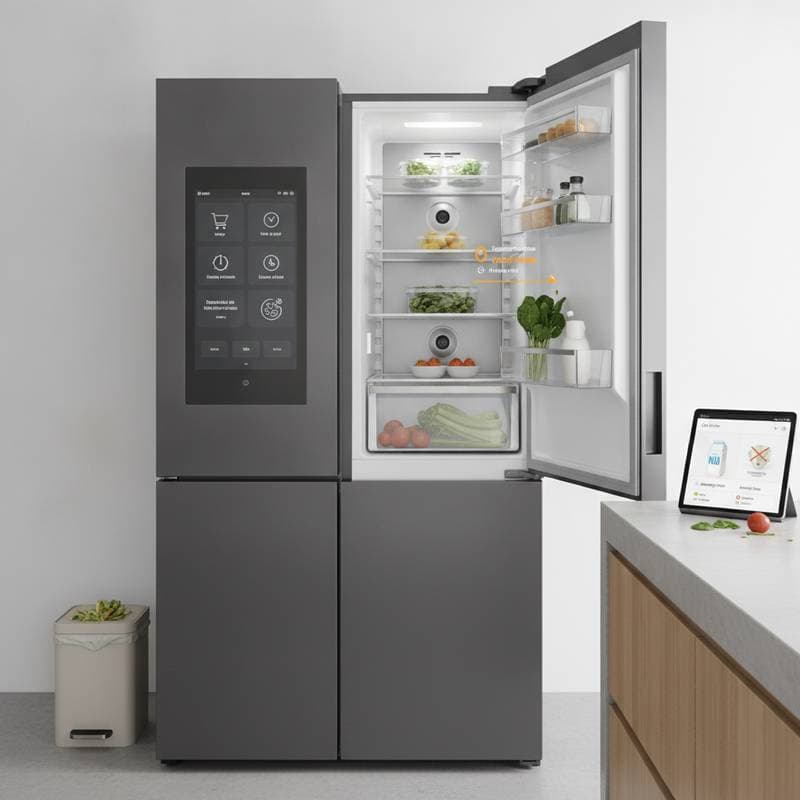
Major manufacturers have already started to showcase this technology in flagship kitchen appliances. Some smart refrigerators detect when a cooling fan draws excessive power and signal early wear. Others alert users if a water filter needs replacing based on actual usage data rather than time alone.
A few connected dishwashers now feature embedded sensors that monitor water pressure and temperature consistency. When readings deviate from normal patterns the system notifies the owner through the companion app and offers a troubleshooting guide or a link to schedule maintenance.
Even smaller kitchen gadgets are evolving. Smart coffee machines track brew cycles and detect mineral buildup. When maintenance is needed they prompt the user with clear instructions that extend the lifespan of the device and ensure better performance.
The Data Behind the Diagnosis
The intelligence driving these appliances depends on continuous data collection and interpretation. Each cycle, temperature shift, or pressure variation becomes part of a growing dataset that helps the appliance understand what normal looks like. When the system detects something unusual it compares the data to models that predict wear or malfunction.
This type of embedded intelligence resembles the systems airlines use to track engine performance. Scaled down for the home it gives everyday users access to professional grade diagnostics without requiring technical expertise.
Consumers are increasingly comfortable with connected devices sharing data when it improves product reliability. Surveys show strong interest in features that reduce downtime and repair costs even among users who describe themselves as cautious about connected technology. The trade off feels worthwhile when the benefit is a kitchen that manages its own maintenance.
Overcoming Adoption Barriers
Despite the promise some challenges remain. Not all appliances communicate seamlessly with one another and diagnostic data can be trapped inside closed ecosystems. Standardization efforts such as the Matter protocol aim to resolve this issue and allow devices from different brands to share information securely.
There is also the question of repair accessibility. A refrigerator that knows what is wrong still needs a technician or replacement part. Some manufacturers address this by integrating direct service scheduling into their apps. Others experiment with modular designs that make user maintenance easier.
Cost is another factor. Advanced sensors and connectivity add to manufacturing expenses. As with most technologies prices are expected to drop as adoption grows. Analysts predict that self diagnosing capabilities will become standard across mid range appliances within a few product cycles.
Everyday Benefits You Can Feel
The biggest advantage of self diagnosing appliances is peace of mind. Instead of reacting to breakdowns homeowners receive clear early information about what needs attention. This prevents frustration while keeping energy use efficient and extending the life of expensive appliances.
There is also an environmental benefit. When maintenance is proactive fewer machines end up discarded due to minor faults. Replacing a sensor or cleaning a filter is far less wasteful than replacing an entire appliance.
For busy households the convenience is undeniable. The idea of a kitchen that quietly monitors itself fits perfectly with modern expectations of seamless living. It saves time, prevents surprises, and brings reliability to one of the most used spaces in the home.
A Glimpse at the Connected Kitchen of Tomorrow
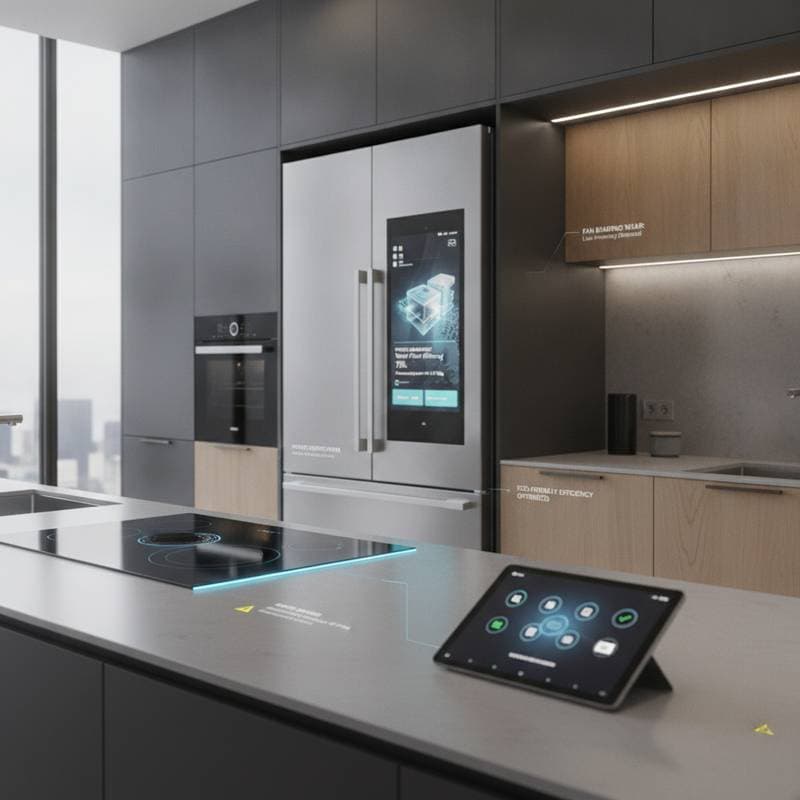
The evolution toward self maintaining appliances forms part of a broader trend toward fully integrated smart homes. Kitchen devices will increasingly communicate with each other and share data that improves efficiency. A smart oven might adjust its preheat time based on how much power the induction cooktop is drawing. A refrigerator could suggest recipes that use ingredients nearing expiration while also monitoring its internal systems for wear.
As appliances continue to learn from their own performance they may eventually coordinate service schedules or reorder replacement parts automatically. The kitchen will become less about managing devices and more about enjoying the experiences they enable.
Steps to Bring These Features Into Your Home
Identify the devices that cause the most maintenance headaches. Refrigerators, dishwashers, and ovens lead the way in self diagnosing features. Look for models with remote monitoring, real time alerts, and app based maintenance guidance.
Integrate them into a unified ecosystem where possible. The more devices share data the smarter and more efficient the system becomes. Update firmware regularly and review diagnostic notifications to keep everything running at peak performance.
Smart kitchens are evolving from responsive to proactive. Everyday appliances become intelligent partners that care for themselves. The result is a home that feels more reliable, more efficient, and more attuned to daily life.