Smart Homes Now Lower EV Charging Costs Automatically
Smart homes are evolving from convenient hubs of connected devices into intelligent energy managers. The latest shift is their ability to automatically lower electric vehicle charging costs. What once required manual scheduling or third party apps now happens seamlessly within your home ecosystem. This change represents a lifestyle improvement that helps homeowners save money, reduce energy strain, and charge more sustainably.
The Energy Challenge Behind EV Ownership
Electric vehicles have become common in driveways everywhere, yet charging them efficiently can still prove tricky. Many owners plug in as soon as they arrive home, often during peak energy hours when rates stand highest. This habit can inflate monthly bills and place pressure on the grid. Even those who attempt overnight charging may forget to set timers or adjust schedules when electricity prices change.
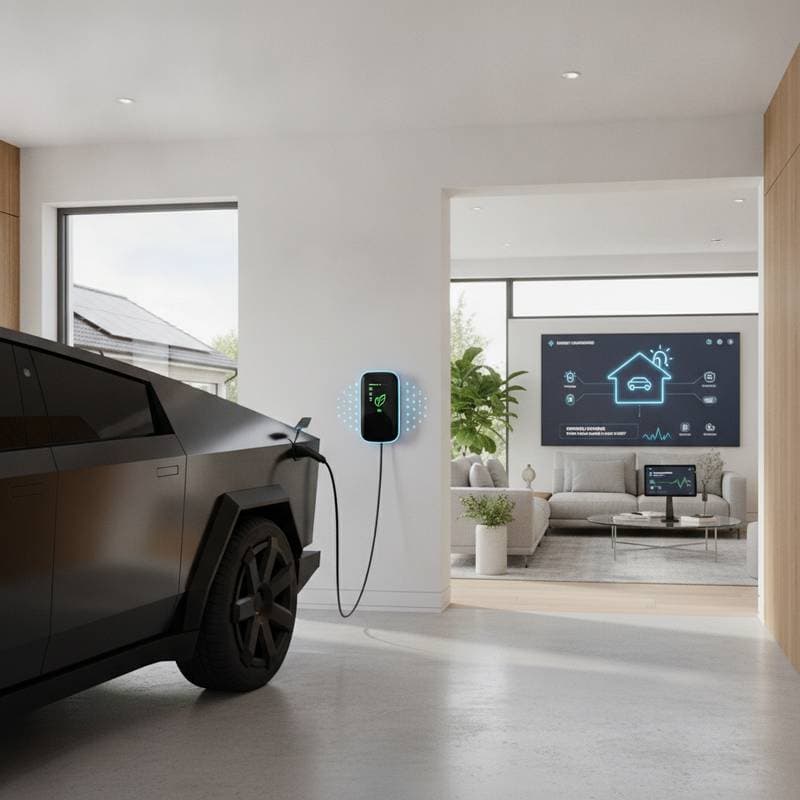
Smart home integration changes that pattern. By connecting EV chargers with home energy management systems, charging can now adapt in real time to fluctuating utility rates and renewable energy availability. The home itself makes the decision about when to draw power. This turns a once passive process into an active optimization tool.
How Smart Systems Make Charging Cheaper
Modern smart homes combine data from the utility grid, local weather forecasts, and personal usage patterns to decide the best time to charge. When energy prices drop, the system automatically activates the EV charger. When demand spikes and costs rise, the system pauses or slows charging until conditions improve. The homeowner does not need to lift a finger.
Some setups integrate with rooftop solar panels or home batteries. If the sun is shining, the home prioritizes solar energy for charging. If stored energy is available, it can be used instead of pulling from the grid. This coordination turns your home into a mini power plant that balances efficiency and savings.
Real World Examples of Smart Charging in Action
Companies like Tesla, ChargePoint, and Schneider Electric already offer connected chargers that sync with smart home platforms. Tesla systems link the car, charger, and Powerwall battery. This allows homeowners to draw automatically from the cheapest or cleanest available energy source. ChargePoint apps integrate with voice assistants so users can monitor charging and costs through simple commands. Schneider Electric energy systems analyze household consumption and recommend ways to cut costs beyond EV charging.
Utility companies offer time of use plans that reward smart charging behavior. Homes equipped with automated systems adapt easily to these pricing models. This makes it simple to save without constant manual adjustments.
The Broader Lifestyle Advantage
The convenience of automatic charging forms only part of the story. These systems also create peace of mind. Drivers wake up to a fully charged vehicle every morning, knowing the process was as cost efficient as possible. Energy conscious families can align EV charging with their broader sustainability goals. This reduces reliance on fossil fuels and supports cleaner grids.
Beyond savings, this integration represents a step toward total home intelligence. Lights, thermostats, and appliances already work together to manage comfort and consumption. Adding EV charging to that mix completes the circle. Energy management becomes an invisible, effortless routine.
Integrating Smart Charging Into Your Home
Smart home charging is not a futuristic concept. It is happening now. As more devices communicate through unified platforms, homeowners can expect even greater control over costs and consumption. The next evolution will likely bring predictive systems that learn driving habits, weather patterns, and household routines. These systems will fine tune charging with almost no input at all.
For anyone considering a new EV or upgrading home technology, energy optimization should form part of the plan. The real promise of smart living lies in intelligent systems that actively look out for your wallet and the planet.