Imagine Falling Asleep Effortlessly Every Night
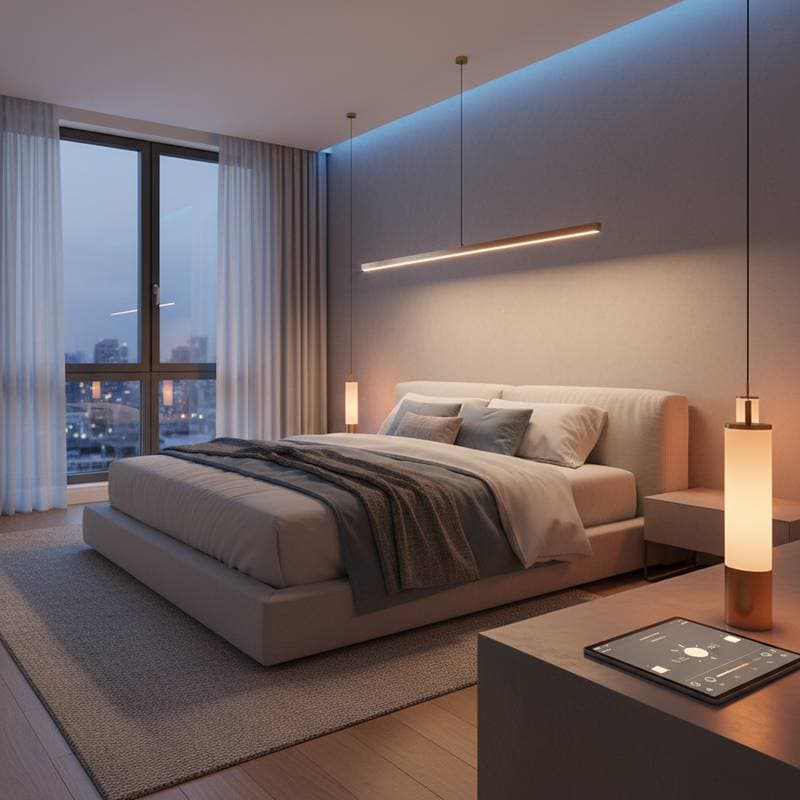
You settle into bed, the room bathed in a soft amber glow that evokes a sunset over a calm beach. Within minutes, your body relaxes, your mind drifts, and sleep arrives naturally. No scrolling through devices, no tossing and turning, no need to count sheep. Circadian smart lighting systems aim to deliver this restorative rest directly into your home.
For many individuals, sleep becomes a nightly challenge. Bright screens, extended work hours, and intense overhead lights disrupt the body's internal clock. This leads to fragmented rest, morning grogginess, and energy dips throughout the day. Fortunately, appropriate lighting can realign your rhythm and promote deeper, more reliable sleep.
Why Your Lighting May Be Working Against You
The body operates on a circadian rhythm, a 24-hour cycle that governs sleep, energy levels, and hormone release. Light serves as the primary signal to maintain this rhythm. Exposure to morning light prompts cortisol production for wakefulness, while evening dim, warm light encourages melatonin synthesis for sleep preparation.
Challenges emerge when home lighting delivers cool, intense illumination well past sunset. Such lights deceive the brain into perceiving ongoing daylight, which inhibits melatonin and postpones sleep. Even subtle illumination from a phone or tablet screen can unsettle this equilibrium.
Circadian smart lighting counters these issues by automatically restoring harmony. It modulates color temperature and intensity to replicate natural sunlight cycles. This creates an environment that nurtures your biological rhythm instead of opposing it.
The Big Picture: How Circadian Smart Lighting Boosts Sleep
These systems employ tunable white LEDs that transition from cool daylight shades to warm evening tones. Sensors or programmed schedules manage these shifts to synchronize with your internal clock. Users frequently describe quicker sleep onset, refreshed awakenings, and sustained daytime energy.
The strength of these systems rests in their effortless integration into routines. Manual bulb changes or dimmer adjustments become unnecessary. The lighting adapts to your habits, fostering an optimal setting without conscious effort. From simulated sunrises to soothing evening illumination, circadian lighting turns your home into a wellness-oriented space.
Step-by-Step: Building a Circadian Smart Lighting Setup
-
Evaluate Your Current Lighting
Identify key rooms impacting sleep, such as bedrooms, living areas, and bathrooms, where evening activities occur. Document existing bulb types, intensity levels, and usage patterns during twilight hours. -
Choose Tunable Bulbs or Fixtures
Select products capable of varying color temperature and brightness. Target a spectrum from 2700K for warm evening amber to 6500K for crisp morning white. -
Create Daylight and Nighttime Profiles
Configure schedules via a smart home application. Program cool white for morning alertness, followed by a progressive shift to warmer hues post-sunset. -
Integrate with Smart Sensors and Voice Control
Pair with motion detectors and voice assistants for seamless operation. A command like "Good night" can initiate dimming, color changes, and complementary actions such as lowering smart blinds. -
Fine-Tune for Personal Comfort
Recognize that individual rhythms vary. Adjust timing and intensity through trial to achieve a personalized, intuitive feel.
Product Recommendations by Budget
Effective circadian setups remain accessible across price points. Consider these options:
-
Budget Option: Wyze Bulb Color ($14.99 each)
These bulbs provide tunable white and RGB capabilities. They connect with Alexa and Google Home, suiting beginners interested in sleep-enhancing illumination. -
Mid-Range Option: Philips Hue White Ambiance Starter Kit ($129.99)
This kit features precise color temperature control and robust app functionality. The included hub ensures stable connections, with automations that replicate natural light progressions. -
Premium Option: Ketra S38 Smart Bulb (starting at $80 each)
Integrated into the Lutron ecosystem, Ketra offers expert-level circadian adjustments. It delivers fluid transitions in color and brightness, compatible with systems like Control4 or Lutron HomeWorks.
Insider Tip: For Lutron Caséta users, incorporate Ketra or Philips Hue layers to enhance circadian features without overhauling dimmers. This method yields strong outcomes with limited electrical modifications.
The Science Behind the 45% Sleep Improvement
Research indicates that exposure to well-calibrated circadian lighting enhances sleep efficiency by approximately 45%. This translates to reduced time to fall asleep, extended deep sleep phases, and minimized interruptions. The gains stem from synchronizing internal cues with expected natural light signals.
Proper evening lighting facilitates timely melatonin release, enabling organic sleep transitions. The body soon anticipates rest periods, stabilizing the rhythm in mere days. Subsequent morning bright, cool light solidifies this cycle, sharpening alertness and concentration.
Practical Considerations Before You Begin
-
Budget and Scale
Expect costs from $200 to $1,500 for a typical home installation, varying by brand and extent. Begin with bedroom upgrades before extending to communal spaces. -
Electrical Compatibility
Standard sockets accommodate most smart bulbs, though advanced fixtures might require expert setup. For integrations with fans or recessed lights, engage a qualified electrician. -
App and Ecosystem Choices
Align with your current smart home framework. Philips Hue, LIFX, and Nanoleaf pair effectively with Alexa, Google Assistant, and Apple Home. Ketra and Lutron suit sophisticated configurations. -
Network Reliability
Dependence on Wi-Fi or Zigbee demands stable signals. In expansive homes, deploy mesh networks or bridges for uninterrupted performance. -
Safety and Compliance
Adhere to guidelines for bulb placement near moisture or heat. Seek professional assistance for any wiring uncertainties or fixture mismatches.
Insider Secrets for Better Results
- Use Layered Lighting: Blend overhead fixtures with table lamps or task lighting. This approach refines control, minimizing pre-sleep glare.
- Automate Gradual Dimming: Program a 30-minute progressive reduction in evening light. Such gradual cues signal the brain to prepare for rest.
- Pair with Smart Shades: Eliminate external light intrusion to amplify benefits. Brands like Serena or Eve MotionBlinds sync readily with lighting protocols.
- Avoid Blue Light in Late Hours: Smart bulbs alone may not suffice against screens. Implement filters or enforce device pauses one hour prior to bedtime.
Measuring Success and Adjusting Over Time
Monitor sleep patterns for two weeks post-installation using wearables or apps that track duration and quality. Identify trends to refine schedules, shifting them earlier or later as needed.
Some individuals benefit most from intensified morning light for vitality, while others favor extended evening fades. Personalization defines effectiveness over rigid prescriptions.
With evident progress, extend the system to additional areas. Early-morning or late-evening use in kitchens and bathrooms also influences overall rhythm.
Reclaim Rest Through Aligned Lighting
Adopting circadian smart lighting extends beyond gadgets to reclaiming vitality. When home illumination harmonizes with your biology, daily performance elevates. Expect heightened daytime sharpness, swifter sleep entry, and emotional steadiness.
Initiate with modest changes, test variations, and allow the system to mirror your habits. From single bulbs to comprehensive networks, progress leads to rhythmic wellness. For intricate projects, explore certified installer quotes via smart home platforms.
Superior sleep underpins all aspects of well-being. Convert your sleeping area into a supportive retreat attuned to your physiology. Anticipate profound renewal, vibrant starts, and equilibrated days ahead.
FAQs
1. What is circadian smart lighting?
Circadian smart lighting automatically adjusts brightness and color temperature throughout the day to match natural sunlight patterns, supporting your body’s sleep-wake cycle.
2. How does it improve sleep quality?
By reducing blue light exposure at night and increasing daylight tones in the morning, it helps regulate melatonin production, which promotes deeper and faster sleep.