Robotic Arms Now Cook Your TikTok Meals at Home
Smart kitchens evolve rapidly, bringing robotic arms into everyday homes to prepare viral TikTok recipes with precision. These systems handle measuring, stirring, and plating tasks, much like a professional chef. They integrate into connected living spaces, offering convenience from basic appliances to full automated setups.
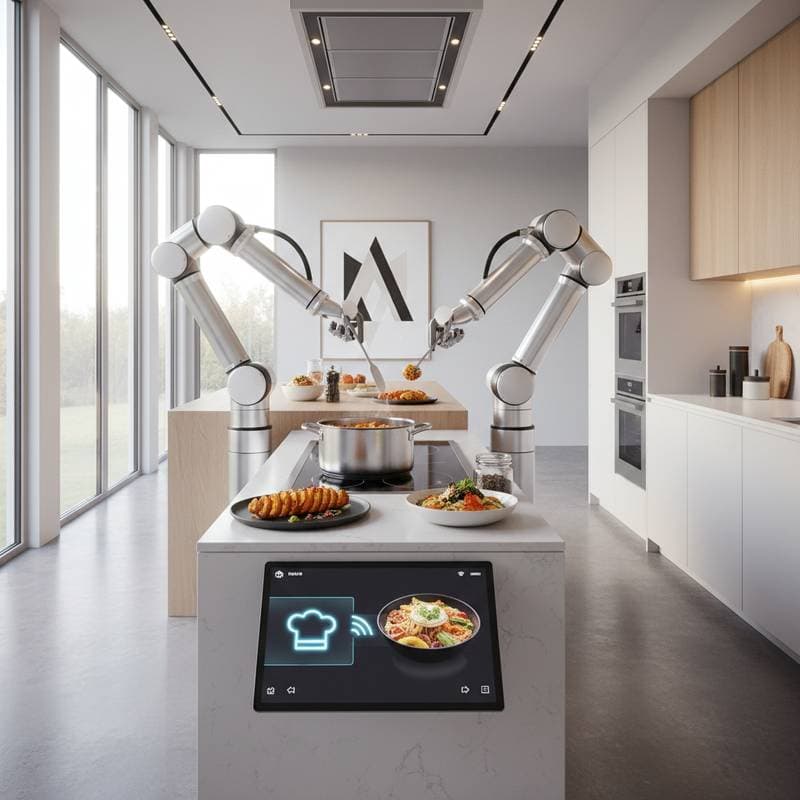
Options range from affordable devices to high-end installations. Consider the Suvie for compact spaces in rentals or urban apartments; it automates batch cooking without dominating counter space. The Multo appeals to amateur chefs seeking partial automation, allowing users to oversee key steps while the machine manages repetitive actions. For affluent households or technology aficionados, the Moley system delivers a complete robotic kitchen as a centerpiece, complete with dual arms that execute complex recipes.
A top-tier setup features two robotic arms programmed for hundreds of dishes. Premium configurations incorporate custom cabinetry, intelligent storage for ingredients, and seamless dishwasher connectivity.
Insider Tip: When selecting premium models, inquire about modular components. Certain systems permit upgrades to robotic limbs or firmware independently of the core structure, which preserves investments and avoids costly overhauls.
Integrating With Your Smart Home Ecosystem
Robotic kitchens perform optimally within an expansive smart home framework. Picture the robot initiating meal preparation as automated shades descend and the heating system sets a welcoming ambiance for dinner. Such linkages also bolster security; a linked smoke alarm detects unusual warmth and halts operations promptly.
Compatibility extends to major platforms including Google Home, Amazon Alexa, and Apple HomeKit. Users activate routines like Dinner Time, which synchronizes illumination, audio selections, and environmental controls.
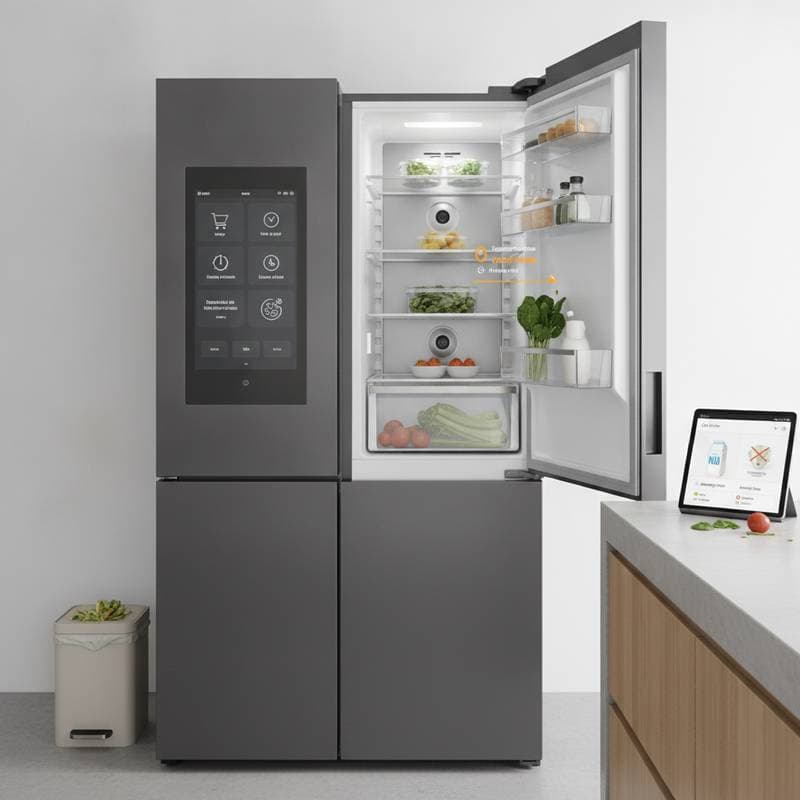
Beyond orchestration, connectivity supports inventory oversight. Devices such as the LG InstaView ThinQ refrigerator transmit stock details to the robotic unit, recommending dishes from available items. Advanced configurations link to e-commerce platforms for automatic replenishment of essentials.
Practical Considerations and Safety
Adopting robotic cooking demands careful planning across several areas.
1. Space and Power: These units necessitate stable bases and ample room for operation. Allocate power akin to that for embedded ovens, often requiring isolated circuits.
2. Cleaning: Robotic elements manage tools during use but demand manual intervention for thorough sanitation. Detachable components suit dishwasher cycles or hand washing. Higher-end variants rinse post-session, yet routine inspections remain essential.
3. Maintenance: Schedule yearly professional visits for oiling mechanisms, aligning sensors, and installing updates. Contracts for such services usually cost several hundred dollars annually.
4. Safety Compliance: Engage certified installers exclusively. Faulty electrical setups or insecure fixtures pose significant risks. Verify credentials in robotic and intelligent appliance assembly.
5. Privacy: Wi-Fi and imaging features raise data concerns. Opt for providers emphasizing on-device storage or secure transmissions; scrutinize policies beforehand.
What It Feels Like to Use One
Observing robotic arms assemble a meal evokes a sense of wonder. Motors whir softly, utensils tap rhythmically, and stirring follows a steady cadence, forming an innovative auditory backdrop in the kitchen. Monitor progress via transparent panels or remote applications.
Reliability stands out as a key advantage. Recipes yield identical outcomes each execution, from flawless soufflés to precisely emulsified sauces, eliminating manual timing pressures.
Owners often report communal enjoyment. Visitors find the process captivating, while children participate by selecting menus. The setup promotes nutritious choices through preset balanced formulas and automated serving sizes.
The Learning Curve and Customization
Mastering the system involves initial effort, particularly in capturing personal recipes. Arms replicate motions with exactitude after training sessions. Stored formulas enable effortless repetition of favorites.
Emerging technologies employ visual recognition to adapt on the fly. Substituting proteins prompts recalibration of durations and heats, maintaining relevance.
Pro Tip: Capture custom recipes under optimal illumination. Clear visibility enhances sensor accuracy and movement mapping, minimizing subsequent inaccuracies.
The Social Media Connection
Social networks like TikTok fuel culinary fads, such as airy loaves or cheese-infused bakes. Robotic platforms execute these trends methodically. Select manufacturers offer clip importation, converting videos into operational directives.
This synergy redefines recipe dissemination. Viewers progress from passive observation to instant replication, bridging digital ideas with tangible results swiftly.
Budgeting and Long-Term Value
Initial expenses for robotic kitchens appear formidable, yet enduring benefits offset them. Precise dosing curtails waste, while error-free cooking preserves ingredients. Frequent home meals diminish reliance on external services, yielding financial relief.
Enhancements typically arrive via digital patches, extending functionality without physical alterations. Ongoing recipe libraries and method innovations integrate seamlessly, amplifying the system's utility over years.
Frequently Asked Questions
What is the typical cost range for robotic cooking systems? Entry-level options like the Suvie start around $400, while full installations such as Moley exceed $300,000, depending on customization.
Do these systems work with all recipes? Most handle standard techniques, but complex or multi-vessel preparations may require adaptations. Start with provided libraries for best results.
How long does setup take? Basic units install in hours; comprehensive kitchens demand days, including professional wiring and calibration.
Can I use them for baking? Yes, many models support oven integration or dedicated baking arms for consistent results in pastries and breads.
What if the robot malfunctions during cooking? Built-in sensors pause operations and alert users via app notifications, preventing mishaps.