Smart Mirrors Spot Health Issues While You Brush
Nearly half of households now own at least one smart device, and the bathroom emerges as the next frontier for connected living. Among the newest innovations, smart mirrors stand out as both stylish design upgrades and powerful health companions. These reflective surfaces no longer simply display your morning face; they analyze it, track subtle changes, and even identify early signs of potential health issues while you brush your teeth.
The concept may appear futuristic, yet smart mirrors function as practical wellness tools that integrate seamlessly into daily routines. By combining sensors, cameras, and artificial intelligence, they transform the simple act of looking in the mirror into a real-time health assessment.
The Bathroom Becomes a Health Hub
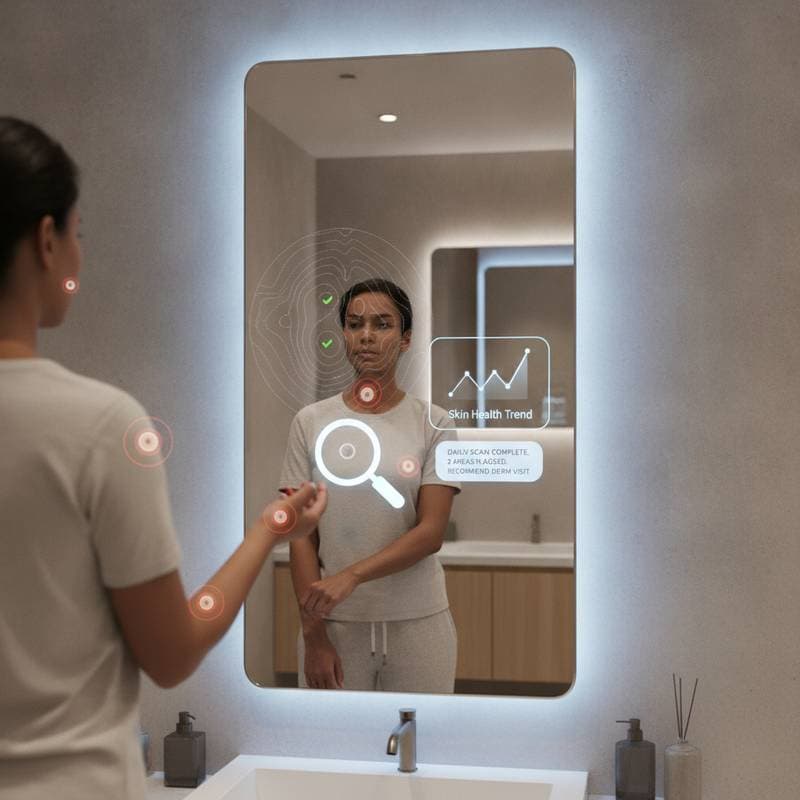
The bathroom mirror has traditionally served as a place for self-assessment, but now it evolves into a genuine diagnostic platform. Smart mirrors equipped with high-resolution cameras and infrared sensors detect variations in skin tone, hydration levels, or blood flow beneath the surface. Certain models identify indicators associated with stress, fatigue, or respiratory changes.
This technology contributes to a broader shift toward preventive health monitoring at home. Rather than waiting for symptoms to manifest, these systems gather daily data to reveal patterns over time. A mirror that observes slight discoloration or eye puffiness can alert users to rest, hydrate, or schedule a medical checkup before minor issues develop into significant problems.
How the Technology Works
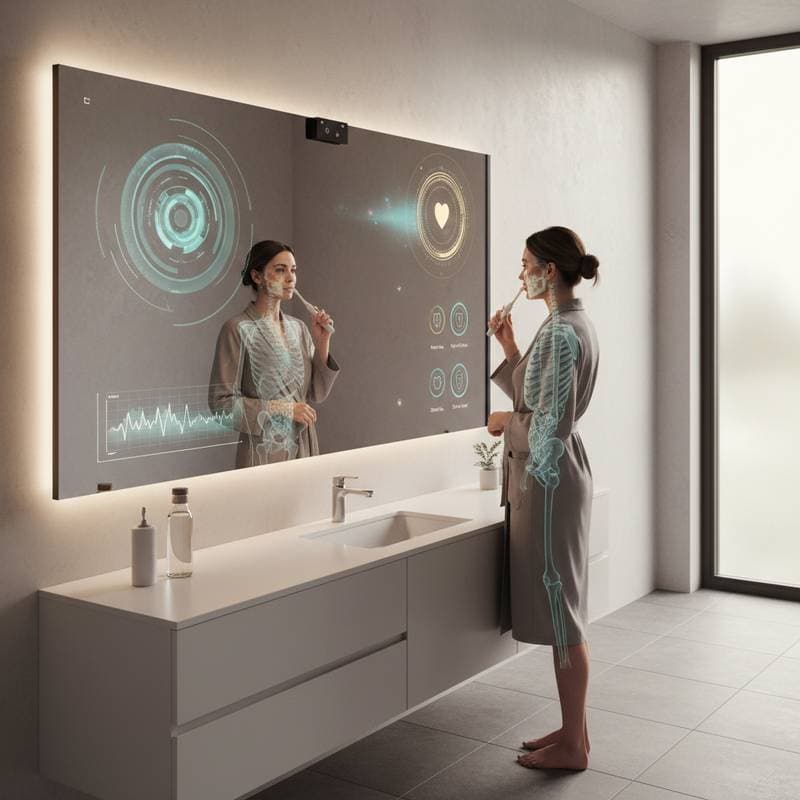
A smart mirror employs a combination of embedded sensors, ambient light adjustments, and computer vision software to analyze facial features. When you stand before it, the mirror's camera captures minute details that the human eye might overlook. Algorithms then compare these readings against previous scans to identify trends, such as an elevated heart rate or reduced oxygenation levels.
Some models integrate with smart scales, electric toothbrushes, or fitness trackers to form a comprehensive view of personal health. This setup turns brushing your teeth into an opportunity to synchronize vital data. Consider a mirror that notifies you of low skin hydration or how poor sleep quality impacts your complexion; the analysis occurs discreetly in the background, providing insights without requiring additional effort.
Everyday Benefits Beyond the Science
The appeal of smart mirrors lies not only in the underlying technology but also in their subtle integration into daily life. They deliver wellness insights without demanding deliberate action. Users need not log into an application or remember to wear a wristband; the reflection itself serves as the interface.
For busy households, this convenience proves invaluable. A mirror that reminds you to drink water or monitors your posture during brushing enhances self-care with minimal disruption. Parents may value features that track a child's hygiene routines, while older adults benefit from alerts about early health changes that provide reassurance.
Brands Leading the Way
Several companies compete to shape the smart mirror market. Fitness brands offer full-length mirrors that function as workout coaches, whereas healthcare startups emphasize facial diagnostics. One prominent example involves a bathroom mirror that pairs with a virtual health assistant to measure pulse through facial color variations, evaluate skin temperature, and transmit anonymized summaries to a linked wellness application.
Luxury bathroom brands enter the space as well. Their mirrors feature built-in lighting that aligns with circadian rhythms, voice-activated reminders, and air quality sensors. These enhancements convert the bathroom into a customized wellness sanctuary.
Privacy and Data Considerations
Like any connected health device, smart mirrors raise valid privacy concerns due to the collection of sensitive biometric data. Secure data handling remains essential. Reputable manufacturers address these issues with encrypted storage, on-device processing, and optional cloud features. Users generally control which information to share and when to erase it.
Transparency regarding data usage fosters trust. Many consumers willingly provide limited data for improved health insights or precise tracking. The priority involves empowering users with control, ensuring the mirror acts as a personal assistant rather than a monitoring device.
A Step Toward Preventive Wellness
The rise of self-monitoring technology mirrors a larger trend in healthcare, where individuals seek deeper understanding of their bodies without frequent clinic visits. Smart mirrors advance this goal by embedding health awareness into routines. They detect concerns like dehydration, poor circulation, or stress before escalation occurs.
Research from a digital health organization indicates that regular biometric monitoring enhances preventive care results. Paired with smart mirrors, this method reimagines passive areas like bathrooms as dynamic wellness centers. Such tools complement professional medical advice by equipping users with timely insights and ongoing motivation.
What Comes Next for Smart Mirrors
Future iterations of smart mirrors promise integration of advanced sensing capabilities. Developers investigate non-invasive glucose detection, thermal imaging for muscle recovery assessment, and facial analysis for emotional state recognition to bolster mental health support. Seamless connections within smart home networks lie ahead as well.
Envision a mirror that senses elevated stress and prompts your lighting to dim for relaxation or initiates soothing music playback. Interoperability drives this evolution. As protocols like Matter standardize device communication, mirrors will interact fluidly with other home products, evolving the bathroom into a cohesive, health-responsive environment.
Adopting Smart Mirrors for Daily Use
For those interested in acquiring a smart mirror, the process begins with clarifying objectives. Do you seek basic functions like adjustable lighting and weather displays, or do you prefer in-depth health analytics? Entry-level options provide voice commands and preset lighting, while advanced models include biometric sensors and application links.
Installation mirrors that of a conventional unit: secure the frame and connect to Wi-Fi. Maximize benefits by combining it with complementary devices, such as a smart toothbrush or digital scale. Consistent use accumulates data that reveals wellness trends over time.
Smart mirrors introduce a fresh layer to self-care, merging technology with routine reflection. They render health monitoring instinctive and woven into natural habits. As development continues, these devices will likely rival smartphones in ubiquity, offering unobtrusive guidance for enhanced well-being during morning preparations.