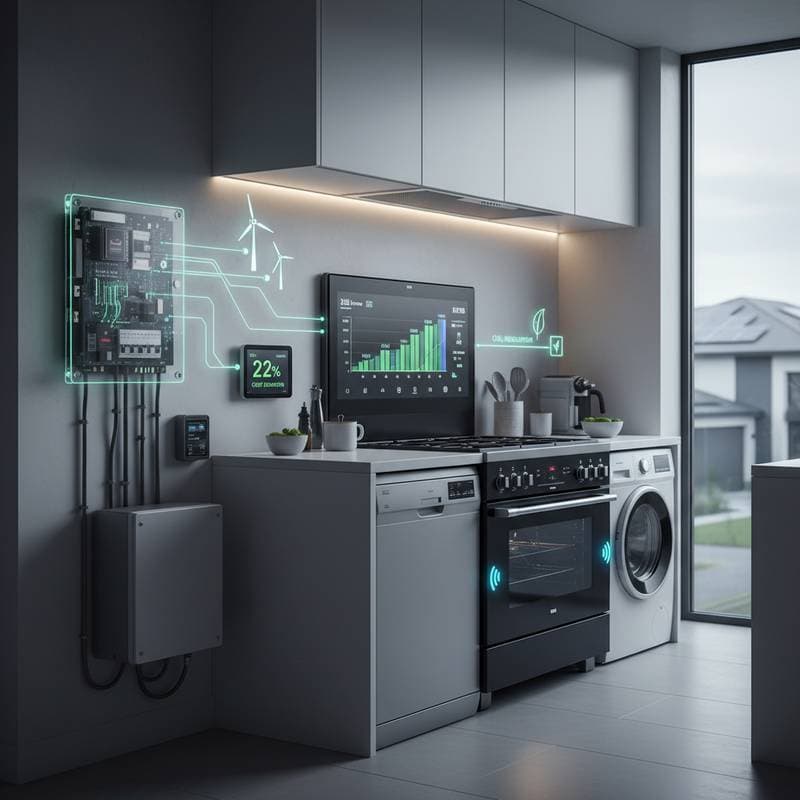
Imagine Your Home Working With the Grid, Not Against It
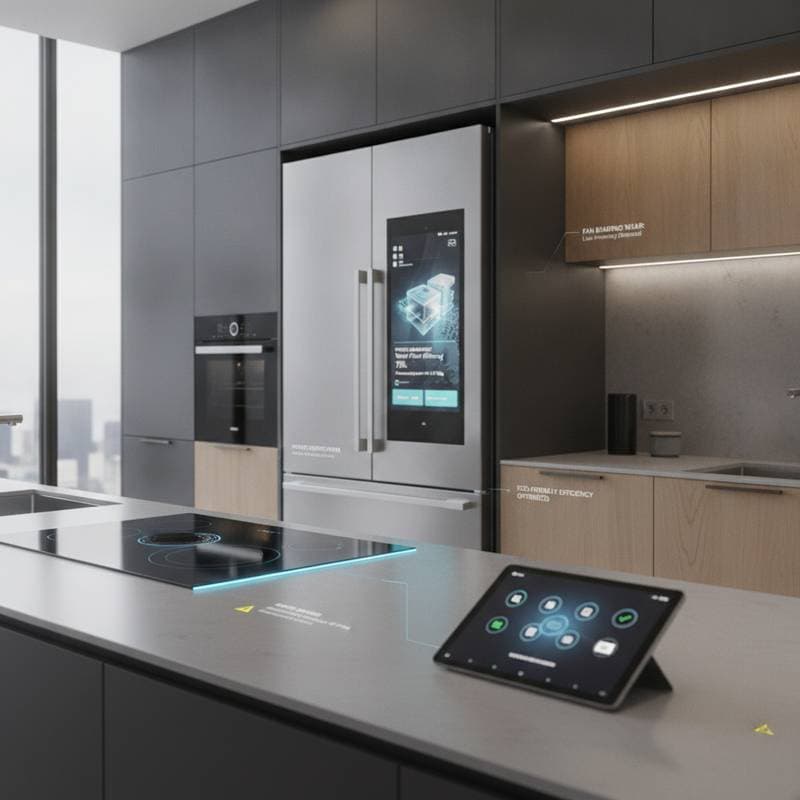
You walk into your kitchen on a sunny afternoon and notice your dishwasher humming quietly. It operates not because you pressed start, but because your local energy grid signaled that electricity costs less and generates cleaner power at this moment. Your smart appliances received the message, adjusted their timing, and began saving money without any effort from you. This scenario represents the promise of grid-connected smart appliances, a reality already available in prepared homes.
For many homeowners, energy costs and sustainability goals often conflict. Lower bills appeal, yet reducing fossil fuel use matters equally. Smart appliances that communicate with the grid resolve this tension by automatically adjusting electricity usage timing and methods.
The Challenge of Energy Timing
Electricity pricing varies throughout the day. Utilities apply dynamic models that increase charges during peak demand and decrease them during off-peak periods. Most households, however, operate washers, dryers, and ovens at routine times, frequently aligning with higher rates.
This misalignment stresses the grid and elevates expenses. The solution involves shifting consumption to periods of abundant renewable energy and lower demand. Manual adjustments prove challenging, yet smart appliances handle these changes seamlessly.
How Smart Appliances Communicate With the Grid
Smart appliances incorporate built-in wireless modules that link to home Wi-Fi and interact with cloud-based energy management systems. These systems process real-time signals from utilities regarding demand, pricing, and grid status. Upon receiving a signal, a grid-enabled refrigerator or water heater modifies its operation to curb or postpone consumption while preserving performance.
This bidirectional exchange typically forms part of a demand response program. Participants consent to minor operational tweaks during peak times, earning reduced energy costs or bill credits in return.
Insider Tip
Many homeowners overlook that demand response signals integrate via third-party platforms such as Sense or Emporia, compatible with smart devices. This approach enables grid coordination benefits even without a utility-specific program.
The Broader Impact: Fostering a Smarter Energy Ecosystem
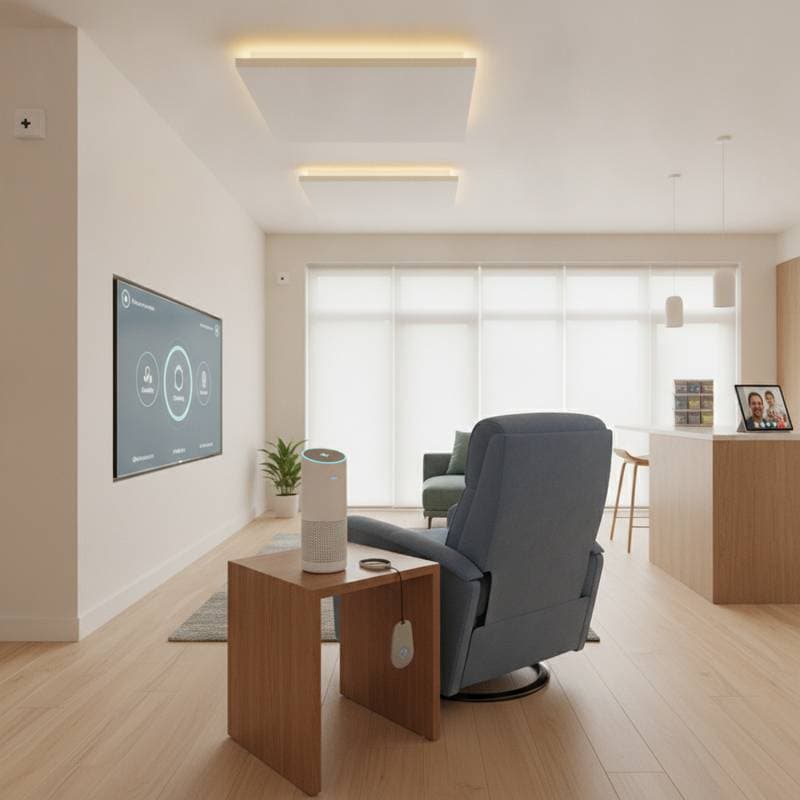
When appliances heed grid signals, homes join a network of adaptable energy consumers. The grid gains stability, and households shrink their carbon emissions. Beyond financial gains, this participation supports a cleaner, more efficient energy framework.
Automation drives the value. Systems learn household patterns, align with grid needs, and decide on adjustments that harmonize comfort, expense, and environmental goals.
Selecting Suitable Smart Appliances
To integrate grid-aware devices, seek products supporting demand response or certified under the ENERGY STAR Connected Appliance standard. Consider these three options across price levels.
-
Budget Choice: GE Profile Smart Front Load Washer (approximately $899)
This washer links via the SmartHQ app and accommodates utility coordination where offered. It modifies cycles according to energy demand and notifies users of off-peak savings. -
Mid-Range Choice: LG ThinQ Smart Refrigerator (approximately $1,699)
The ThinQ platform enables grid communication and compressor optimization. It also connects with other LG appliances for comprehensive home management. -
Premium Choice: Samsung Bespoke AI Oven (approximately $2,999)
AI Energy Mode tracks grid signals and alters cooking or preheating schedules for peak efficiency. It integrates with SmartThings Energy for detailed analytics.
Compatibility with smart home hubs like Alexa, Google Home, or Apple Home ensures cohesive data sharing and grid responses. Prioritize ecosystem integration for sustained adaptability.
Steps to Establish Your Smart Energy Network
-
Evaluate your existing setup.
Determine which appliances connect already and support energy-saving functions. -
Consult your utility.
Inquire about demand response programs or incentives for grid-connected devices. Rebates often range from $50 to $200 per appliance. -
Deploy a smart energy management system.
Options like the Emporia Vue or Sense Energy Monitor track usage live and link with compatible appliances. -
Configure automation settings.
Via appliance apps or hubs, define savings intensity. For instance, permit a water heater to pause for 30 minutes during peaks. -
Monitor and refine.
Observe performance and comfort levels. Adjust settings as needed to achieve balance.
Cost and Practical Factors
Adopting grid-interactive appliances requires modest investment. Begin with high-consumption items like water heaters or dryers. Installation expenses span $100 for plug-in units to $500 or higher for wired setups needing experts.
Prioritize safety. Licensed technicians should handle appliances tied to electrical circuits or water lines. For older panels, have an electrician assess load capacity prior to additions.
Savings and incentives typically yield returns within a year. Homeowners often see 5 to 15 percent electricity cost drops after implementing demand response pairings.
Insider Tip
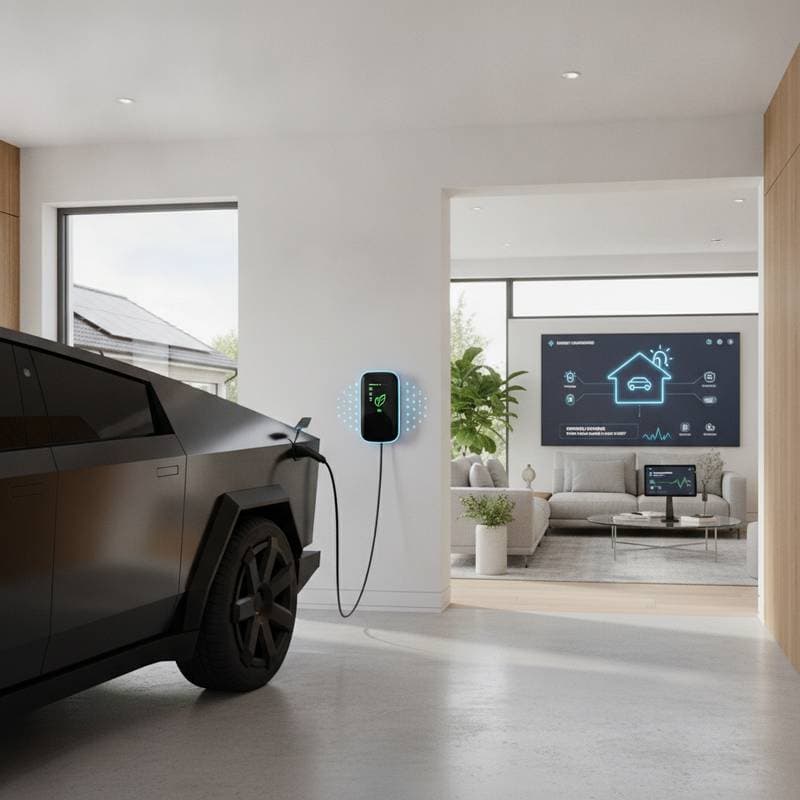
With rooftop solar, align grid-responsive appliances to your inverter for maximized self-use. Devices activate automatically during excess panel output, minimizing grid dependence.
Harmonizing Comfort, Control, and Savings
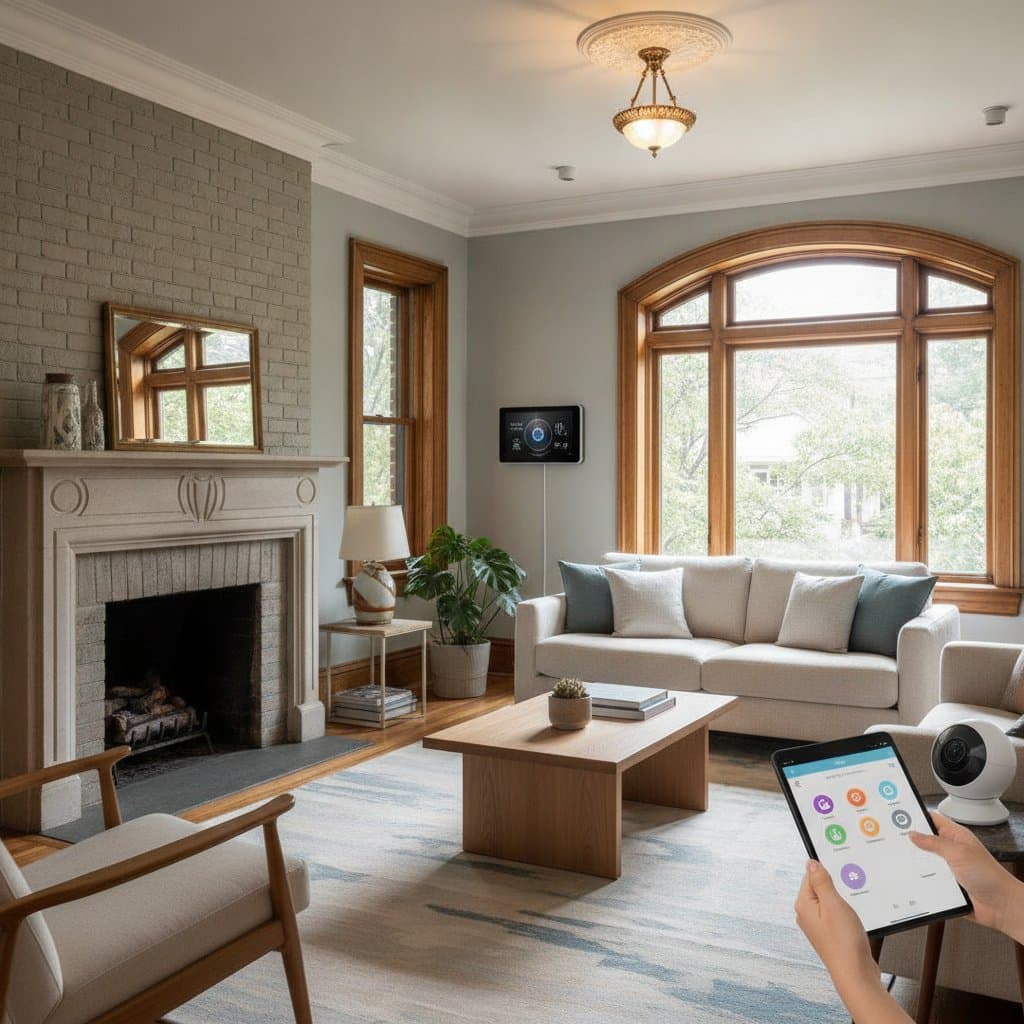
A common concern views energy automation as control loss. Systems actually permit overrides at any time. Override a delayed dryer cycle instantly via smartphone for immediate operation.
Management focuses on incremental shifts with cumulative effects. A refrigerator compressor delaying two minutes or a water heater briefly pausing contributes significantly across widespread adoption.
Implementing Your Smart Energy Setup
Initiation proves straightforward. Marketplaces link homeowners to certified installers skilled in smart energy systems. Use platforms like HomeAdvisor or Angi to secure vetted experts for installation, setup, and maintenance.
After activation, review app data closely. Track usage shifts from grid signals and refine routines accordingly. Active engagement amplifies system benefits.
Grid-aware smart appliances advance homes toward cooperative energy roles. They deliver lower bills, ethical assurance, and resilience. This integration fosters alignment between daily life and powering infrastructure.
Frequently Asked Questions
What does grid-connected mean for an appliance?
It indicates the appliance receives signals from utilities or providers to adapt operations based on grid conditions.