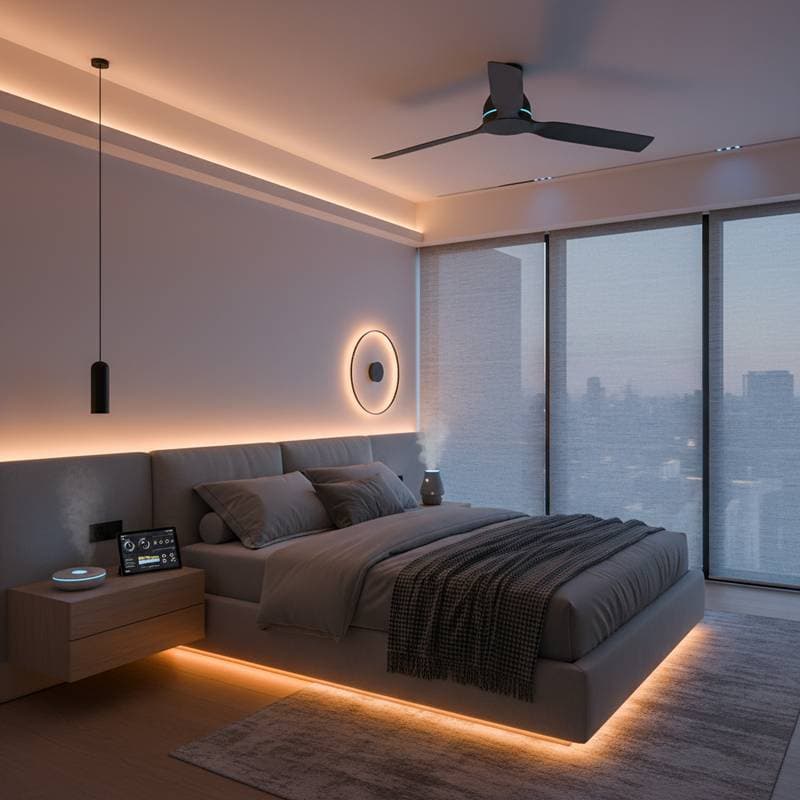
Why Sleep Optimization Systems Are Gaining Widespread Adoption
Discussions about improving sleep quality are common, but few people fully appreciate the extent to which technology now shapes this pursuit. Purchasing a comfortable mattress or heavy curtains once sufficed; today, sleep involves data analysis, sensor monitoring, and environmental adjustments. Smart sleep optimization systems integrate seamlessly into connected homes, combining scientific principles of wellness with automated features to promote deeper rest and energized mornings.
This trend extends beyond mere devices. It stems from increased recognition of sleep's impact on daily productivity, emotional stability, and sustained health. Innovators in smart home technology respond by developing systems that observe personal patterns, modify surroundings, and encourage beneficial sleep behaviors. The bedroom emerges as the latest domain for intelligent home management.
Intelligent Sleep Tracking
Sleep monitoring has advanced from wearable gadgets to comprehensive setups that observe rest without physical attachments. Contemporary systems employ sensors embedded in mattresses, placed under beds, or utilizing radar to capture movements, respiration, and heart rate. Such information generates a comprehensive profile of sleep stages and identifies potential interruptions.
Personalization elevates the utility of this technology. Systems convert data into practical recommendations, such as earlier bedtimes, cooler room temperatures, or pre-sleep light dimming. Withings and Eight Sleep integrate these capabilities directly into bedding for a streamlined process. Users experience enhanced sleep with minimal involvement, which accelerates widespread use.
Circadian Rhythm-Supportive Lighting
Lighting influences more than visibility; it guides the body's natural cycles. Systems designed for circadian alignment replicate daylight variations to stabilize internal rhythms. Exposure to bright, cool illumination in the morning enhances wakefulness, whereas evening shifts to warm hues facilitate relaxation and melatonin production.
Smart bulbs and overhead fixtures now operate in synchronization with individual schedules. Philips Hue and Nanoleaf provide preset modes that progressively reduce intensity and filter blue light as bedtime approaches. Pairing these with automation ensures the space transitions effortlessly to restful conditions, eliminating the need for manual interventions.
Precision Climate Regulation for Optimal Sleep
Room temperature significantly affects sleep onset and maintenance. Advanced climate systems dynamically calibrate heating, cooling, and bed surface warmth using live sleep metrics. This responsiveness maintains ideal conditions throughout the night.
The BedJet, for instance, circulates controlled airflow beneath sheets to establish personalized temperature zones for each occupant. Sleep Number's Climate360 targets specific bed sections for warming or cooling as needed. When linked to a smart thermostat, the entire room aligns with sleep phases, fostering an enveloping comfort that supports prolonged, restorative sleep.
Adaptive Sound Environments
Ambient noise profoundly shapes sleep experiences, comparable to lighting and temperature effects. Modern optimization platforms incorporate sound control features, including white noise production and dynamic audio that neutralizes external disturbances. Sensors identify disruptions and modulate output to preserve serenity.
Endel and Calm applications blend calming audio with physiological feedback, tailoring frequencies to stress indicators or heart variability. Integrated smart speakers function as evening aides, delivering fading ambient tracks. This fusion of acoustics and analytics crafts a serene setting attuned to unique sleep preferences.
Automated Bedtime Sequences
Automation elevates disparate tools into unified sleep frameworks. Platforms such as Apple Home, Google Home, and Alexa enable the creation of routines that coordinate lighting adjustments, door securing, thermostat settings, and audio initiation through voice commands or timers. These sequences simplify evening preparations and promote regularity.
A standard routine might involve gradual light reduction, temperature lowering, and white noise activation at a designated time. Consistent execution conditions the body to associate these changes with sleep onset. The environment effectively serves as an unobtrusive aide, handling adjustments in the background.
Insights for Habit Formation
Sleep systems extend beyond physical adjustments by providing guidance for behavioral changes. Interfaces display patterns in rest duration, efficiency, and regularity. Integrated applications issue prompts for relaxation initiation or propose modifications like limiting caffeine intake or minimizing evening screen exposure.
The appeal derives from observable progress. Visualizing enhancements sustains engagement. Oura and Fitbit render this information intuitive and motivating, positioning sleep as a skill to refine rather than an inevitable process.
Connections to Comprehensive Wellness Platforms
Sleep metrics increasingly interface with fitness, dietary, and psychological health tools. This linkage yields a holistic health overview. A system noting suboptimal rest might recommend moderated exercise or guided meditation through affiliated applications.
Industry leaders emphasize interconnected solutions over standalone products. Enhanced compatibility allows lights, climate controls, and trackers to collaborate in regulating daily cycles. Such cohesion directs the home toward unified objectives of rejuvenation and equilibrium.
Broadening Access and Popularity
Technologies once confined to high costs or complex setups now offer entry points for diverse users. Basic options like intelligent bulbs or monitoring mats provide straightforward introductions. Advanced configurations deliver comprehensive automation and analytics for those desiring detailed oversight.
Major retailers stock these items alongside conventional sleep aids, enhancing visibility. This placement underscores the transition from specialty to everyday essential, akin to smart assistants or networked heating systems.
Evolving Perspectives on Recovery
Individuals increasingly view rest as integral to vitality. Heightened understanding of sleep's role in health prompts greater allocation of resources to this area. Research indicates preferences for sleep enhancements surpassing those for physical training or leisure devices.
Demand surges for solutions that quantify, customize, and refine rest. Wellness dialogues now encompass restoration alongside activity and sustenance. Forward-thinking brands craft offerings that yield verifiable health gains beyond mere utility.
Emerging Developments in Bedroom Intelligence
Future iterations will unify diverse technologies into cohesive networks. Envision a space that detects approaching drowsiness, refines illumination and warmth preemptively, and monitors respiration for anomalies. Collected data might integrate with remote medical consultations to flag issues promptly.
Evolving voice interfaces will anticipate needs based on calendars, suggesting optimal sleep timings. Improved protocols will facilitate smoother interactions among brands. The intelligent bedroom will adapt continuously, refining responses to nightly variations.
Aligning Daily Life with Restorative Practices
Sleep optimization systems achieve prominence by addressing fundamental needs for enhanced recovery through informed design. They blend empirical wellness knowledge with reliable automation, converting bedrooms into tailored sanctuaries. The outcome for users is heightened equilibrium and energy, not merely added complexity.
Initiation requires no extensive overhaul; a single smart fixture or outlet can initiate positive shifts. Focus on steady implementation yields compounding benefits. As interfaces grow more instinctive, these aids will integrate silently, harmonizing with innate biological processes.
Forward-looking homes will anticipate requirements for renewal, extending support beyond directives. Adopting these innovations upgrades not only sleeping quarters but also subsequent days of heightened performance.