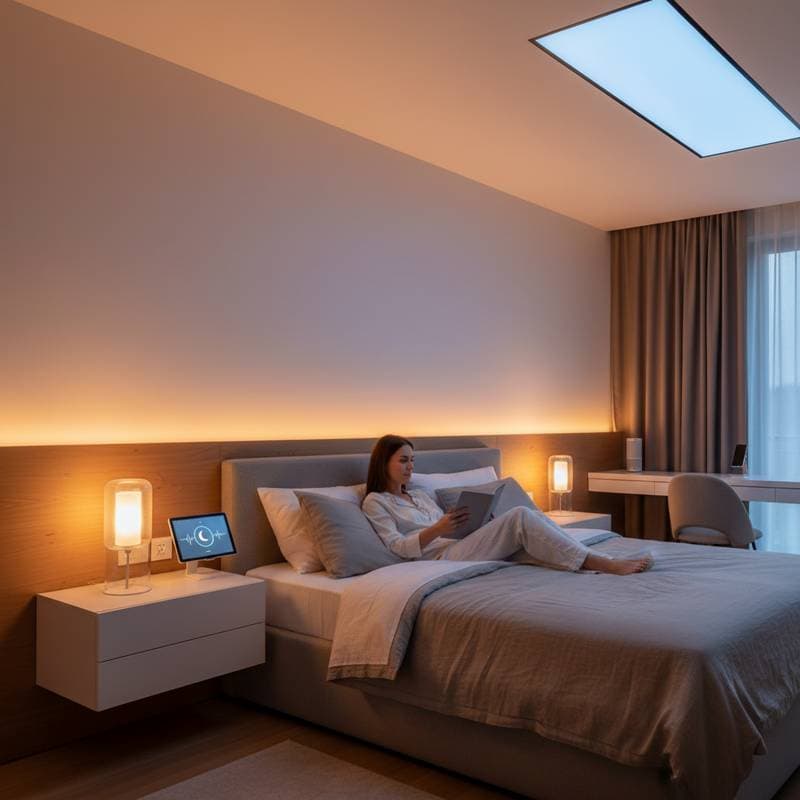
Enhance Sleep Quality by 45 Percent Using Circadian Smart Lighting
Smart homes evolve beyond mere convenience to actively promote health and vitality. Circadian smart lighting stands at the forefront of this evolution, replicating natural daylight cycles to foster superior sleep, sustained energy, and heightened focus. Individuals facing irregular sleep patterns or evening screen exposure may find this advanced lighting solution delivers improvements in rest quality reaching 45 percent.
The Fundamentals of Circadian Smart Lighting
Circadian smart lighting operates in harmony with the body's internal clock, the circadian rhythm. This rhythm governs periods of alertness and drowsiness, primarily through exposure to light. Conventional lighting interferes with this rhythm, maintaining mental alertness well past dusk. Circadian smart bulbs, however, dynamically modify brightness and color temperature to emulate sunlight variations.
During morning hours, lights emit cooler, brighter tones to stimulate wakefulness. Toward evening, they transition to warmer hues that facilitate melatonin synthesis, signaling the body to prepare for sleep. Such alignment creates an illumination setup that complements biological processes rather than opposing them.
How Light Influences Sleep Patterns
Light exerts a direct influence on melatonin production, the hormone responsible for inducing sleepiness. Evening exposure to intense blue light suppresses melatonin, complicating the onset of sleep. Circadian smart lighting mitigates this by shifting to warmer tones automatically as night falls.
Wellness technology specialists note that adopters of circadian lighting observe quantifiable gains in sleep length and depth. These enhancements extend beyond faster sleep initiation to include fewer awakenings and greater morning refreshment. Consequently, daily mood, attention, and vitality receive positive reinforcement.
Seamless Integration in Smart Home Ecosystems
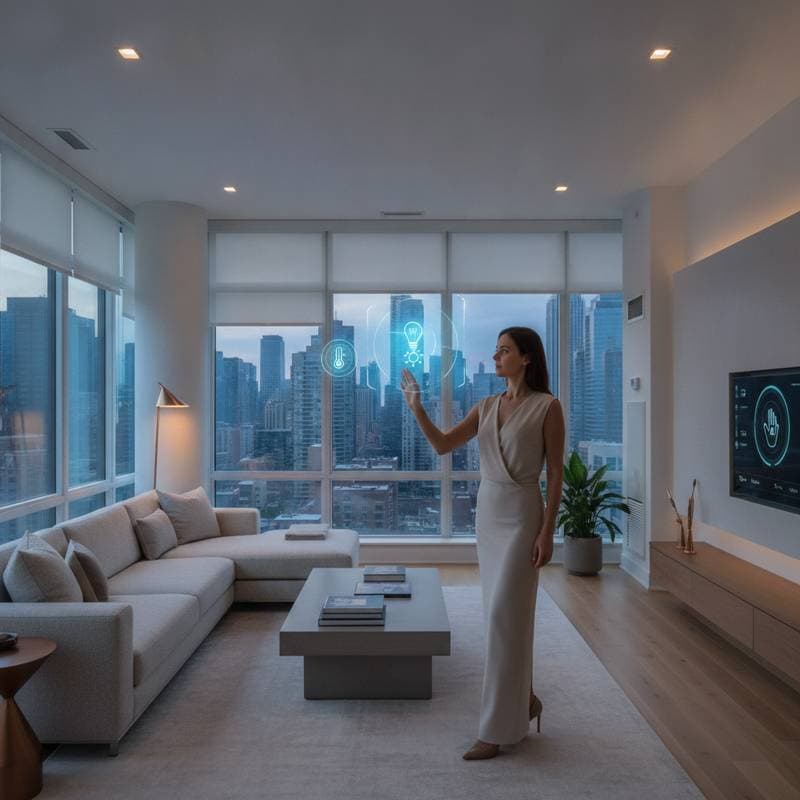
The true strength of this technology lies in its effortless incorporation into interconnected home networks. Circadian smart bulbs connect with voice-activated speakers, climate controls, and sleep monitoring devices to orchestrate a unified setting. For example, as lights soften, the thermostat adjusts to optimal sleep temperatures, and electronics enter silent operation.
This automation removes the burden of manual evening routines. The home emerges as a proactive ally in wellness, responding to personal schedules and guiding toward natural relaxation.
Practical Implementations of Circadian Lighting Systems
Various ecosystems embody this innovation effectively. Philips Hue provides modes such as Natural Wake-Up and Relax, which progressively alter color temperatures according to daily progression. Nanoleaf and LIFX incorporate comparable functionalities, enabling programmed shifts that nurture healthy cycles.
Brands specializing in sleep also contribute. Hatch and Casper offer lamps that simulate sunrise and sunset progressions. When integrated with smart outlets or central hubs, these units synchronize with broader lighting arrangements, establishing uniform patterns that cultivate improved sleep behaviors.
Scientific Evidence Supporting 45 Percent Sleep Gains
Emerging research in wellness underscores the link between circadian lighting and enhanced rest. Studies among households employing adaptive systems indicate up to 45 percent better subjective sleep quality. Participants report quicker sleep onset, reduced interruptions, and increased morning vigor.
These outcomes stem from precise light timing as well as the soothing psychological effects of a tranquil evening ambiance. Progressive dimming cues both physiological and cognitive slowdown. Consistent application reinforces the circadian rhythm, yielding more reliable and nourishing sleep over time.
Transitioning to Circadian Lighting in Your Residence
Upgrading to circadian lighting demands no extensive overhaul. Compatible smart bulbs fit into existing fixtures with ease. Upon linking to a central hub or mobile application, users program automatic variations or rely on embedded sensors attuned to regional daylight.
Beginners should target sleep-influential areas first. Prioritize bedrooms and living spaces, which define evening atmospheres. Configure lights to evolve from crisp morning whites to gentle amber evenings. Post-sunset, favor diffused lamp glow over harsh ceiling fixtures for optimal comfort.
Extending Benefits to Overall Wellness
Improved sleep represents only one facet of circadian lighting's potential. Regulated daily light exposure aids energy balance, work efficiency, and emotional equilibrium. Remote professionals or those in dim settings benefit from countermeasures against artificial light-induced exhaustion and disposition fluctuations.
Designers and wellness authorities increasingly highlight light's role in mental health. As smart homes proliferate, lighting assumes a core position in comprehensive layouts. It transcends illumination and aesthetics to nurture inherent bodily cadences.
Addressing Common Adoption Challenges
Despite evident advantages, concerns over intricacy or expense deter some. In practice, smart bulb costs decline steadily, and installation simplifies through intuitive interfaces. Systems interface with voice controls and apps that provide step-by-step guidance.
The adaptation period proves brief, with benefits evident after several evenings. Like other habit shifts, regularity matters. Persistent alignment of lighting with circadian needs trains the body for optimal responses.
Establish Circadian Lighting Habits for Lasting Rest
Circadian smart lighting marks a progression toward residences that subtly safeguard inhabitants. By fusing scientific insights with seamless controls, these setups cultivate spaces primed for innate recovery and renewal.
For those enduring disrupted sleep or lethargic dawns, initiate changes through lighting. Substitute select bulbs, implement schedules, and monitor shifts in rest dynamics. Smart homes advance from utilitarian tools to supportive frameworks, prioritizing foundational elements like restorative sleep.