Robotic Kitchen Assistants Now Under $500 for Home Cooks
Smart homes extend beyond voice controlled lights and connected thermostats. The kitchen now incorporates automation that was once limited to professional settings. Robotic kitchen assistants handle chopping, stirring, and recipe execution at prices below 500 dollars. These tools deliver convenience and consistency for everyday meal preparation.
Everyday Cooking Made More Efficient
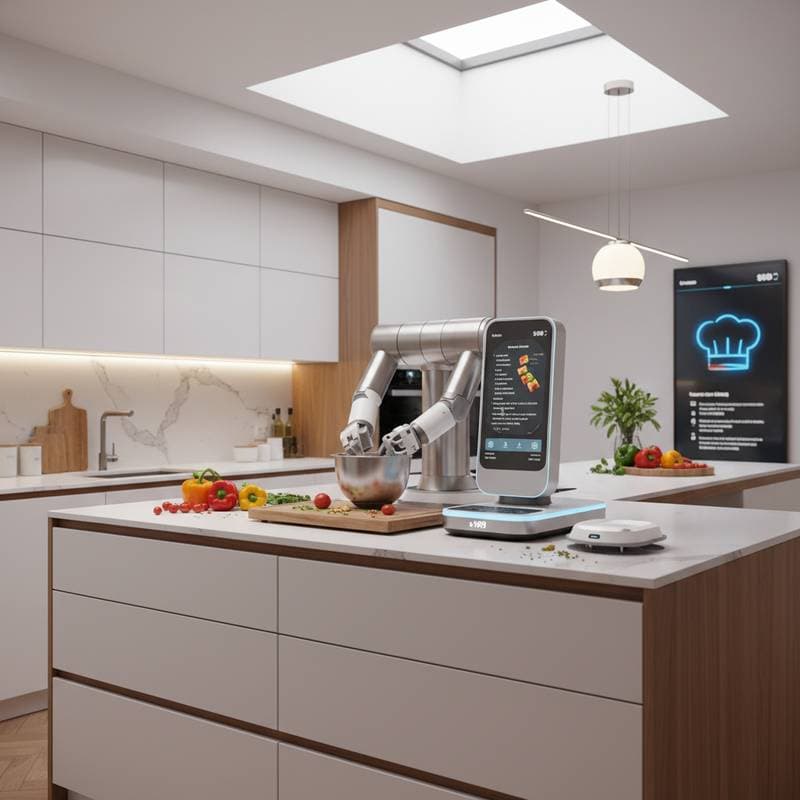
Many households struggle with the time demands of healthy meal routines. Robotic assistants address this by managing repetitive steps such as ingredient measurement and temperature monitoring. A single countertop unit can follow programmed sequences while adapting to user preferences through companion applications. This setup functions like a reliable digital helper that maintains focus throughout the process.
Recent Price Reductions Expand Access
Earlier models carried price tags in the thousands, which restricted ownership to commercial kitchens. Advances in sensors and control software have lowered costs substantially. Surveys indicate rising interest among younger homeowners who prioritize time savings. The new price point turns these devices into practical upgrades rather than distant possibilities.
Compact Countertop Units for Multiple Tasks
Countertop robots occupy limited space yet perform several cooking functions. They can saute vegetables, stir sauces, and steam grains according to preset cycles. Interchangeable attachments replace separate appliances such as mixers or processors. Households in smaller living spaces gain both storage relief and operational simplicity.
Automated Preparation Stations
Chopping and portioning remain labor intensive steps for many cooks. Dedicated prep robots use sensors to adjust cutting speed based on food texture and size. Uniform vegetable pieces reduce cooking inconsistencies and minimize waste. Integration with recipe applications allows the device to prepare ingredients in the exact sequence required by a chosen dish.
Stirring Devices That Maintain Consistent Results
Stove top monitoring often interrupts other kitchen activities. Battery powered stirring tools attach directly to pots and operate at set intervals. Even heat distribution prevents scorching while users attend to other tasks. Bluetooth connectivity permits remote speed adjustments through a mobile application.
Recipe Platforms That Guide Automation
Companion applications translate written instructions into device commands. Selection of a dish prompts automatic control of temperature, duration, and motion patterns. Novice cooks achieve repeatable outcomes without constant oversight. Regular software updates expand the range of supported recipes over time.
Kitchen Cleaning Robots in the Same Price Range
Post meal cleanup receives support from compact robotic cleaners designed for counters and light dish loads. Targeted jets and brushes handle daily residue without requiring a full size dishwasher. These units complement cooking assistants to complete an automated cycle from preparation through tidying.
Integration With Existing Smart Home Systems
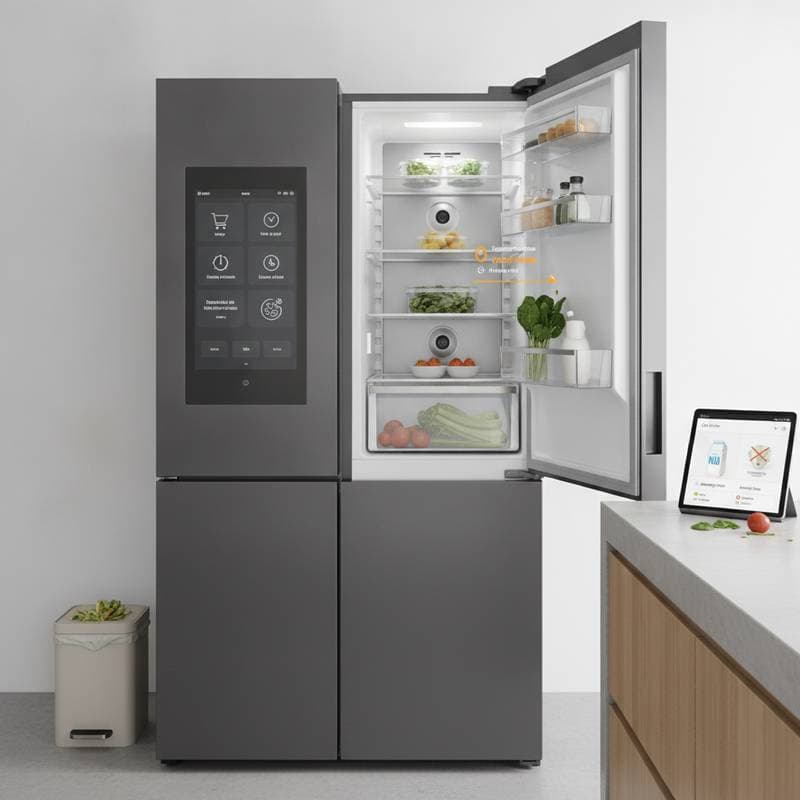
Newer models connect with voice assistants and other connected appliances. Users can initiate prep sequences while finishing work or schedule start times in advance. Coordinated operation allows one device to stir while another monitors progress through a shared interface. This compatibility turns isolated gadgets into a unified kitchen workflow.
Additional Advantages for Health and Efficiency
Precise control reduces overcooking and ingredient waste. Some units log nutritional data or recommend serving sizes to support balanced intake. Optimized heating cycles lower overall energy use compared with conventional methods. These features contribute to more sustainable daily routines.
Points to Evaluate Before Purchase
Compatibility with current smart platforms varies across models. Entry level units may lack power for dense doughs or large batches. Manufacturers address these gaps through firmware improvements delivered automatically. Most users find that consistency gains outweigh remaining limitations.
Selecting a Suitable Model
Prioritize devices that receive ongoing software support and offer clear integration options. Review user feedback on real world performance with common household recipes. Start with core functions and add accessories as needs develop. This measured approach builds an effective setup without unnecessary expense.