The Future of Smart Kitchens: Robot Vacuums Integrate with AI Cooking Systems
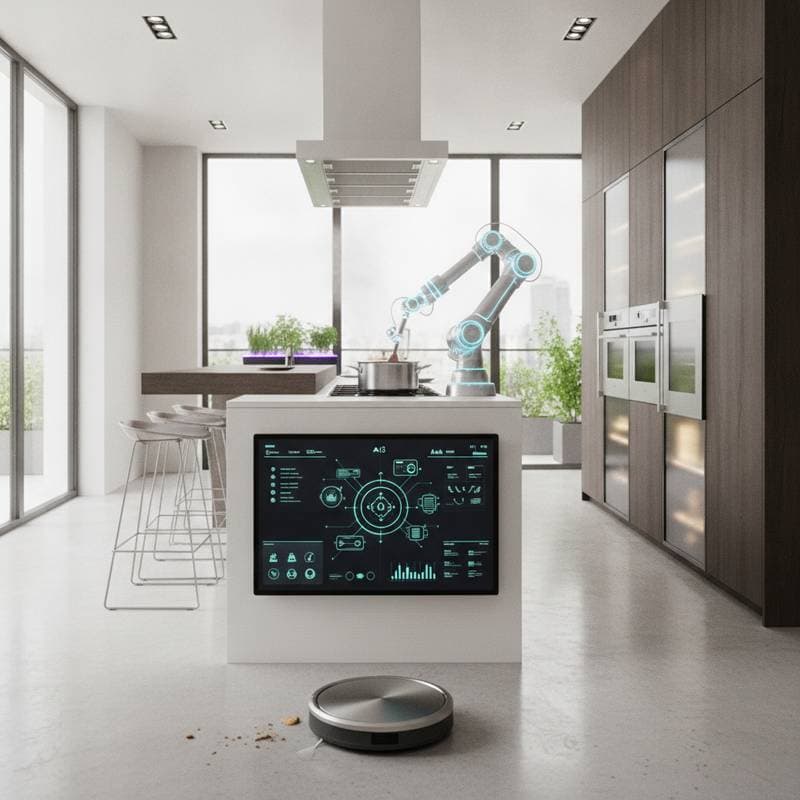
A clean kitchen floor after dinner no longer requires manual effort. Your robot vacuum activates at the right moment because it receives signals from your smart oven. This coordination turns separate appliances into one responsive system that manages cooking and cleaning together.
Modern homes now link these devices through shared platforms. The result is a kitchen that anticipates needs rather than reacting to commands. Manufacturers achieve this through common standards that allow data exchange between brands.
Connected Devices Replace Isolated Tools
Earlier smart appliances operated alone. An oven might accept voice commands while a vacuum followed its own schedule. New platforms let both systems share timelines and sensor data.
Your AI cooking assistant tracks recipes and ingredient use. At the same time the robot vacuum maintains a map of the same floor space. When linked, the oven signals when cooking ends so the vacuum can clean without crossing active zones.
Benefits of Shared Data and Timing
Separate apps create extra steps for users. Integration removes that friction by letting devices follow one schedule. The vacuum stays out of the kitchen during active cooking. The oven pauses certain cycles if the vacuum reports a spill still present.
Standards such as Matter now support direct communication. This reduces reliance on cloud services and improves response speed. Homes with strong Wi-Fi see reliable performance across multiple devices.
How Coordination Functions Step by Step
- Data exchange occurs over the home network so the oven shares meal completion times with the vacuum.
- Mapping tools create temporary no-clean zones near heat sources during preparation.
- Sensors in the cooking system detect smoke or moisture and request cleaning support.
- Power management balances loads so the vacuum charges only after the oven cycle finishes.
These steps produce a kitchen that adjusts to daily routines without constant user input.
Options Across Price Ranges
Entry Level
Select the Eufy RoboVac G30 for reliable suction at a modest cost. Pair it with the Instant Pot Smart WiFi model. Use built-in routines in Alexa or Google Home to trigger vacuum runs after a set cooking timer ends.
Mid Range
The Roborock Q7 Max offers room-specific mapping. Combine it with Samsung SmartThings Cooking on a compatible range. Program the vacuum to start once the oven enters keep-warm mode.
Higher Investment
The iRobot Roomba Combo j9+ adds mopping and self-emptying. Match it with a GE Profile Smart Range that includes guided cooking. Both support Matter for direct local communication that avoids cloud delays.
Timing and Sensor Advantages
Fixed vacuum schedules often interrupt meals. Linked systems learn when cooking finishes and delay cleaning until surfaces cool. Air quality sensors in premium ovens detect grease particles and activate the vacuum earlier to limit odor spread.
Planning Requirements
Confirm both devices support the same protocol before purchase. Upgrade to a mesh network if signals drop in the kitchen area. Keep the vacuum away from hot zones until surfaces reach safe temperatures. Budget between one thousand and five thousand dollars for a complete setup. Certified installers can handle hub configuration when needed.
Resource and Energy Gains
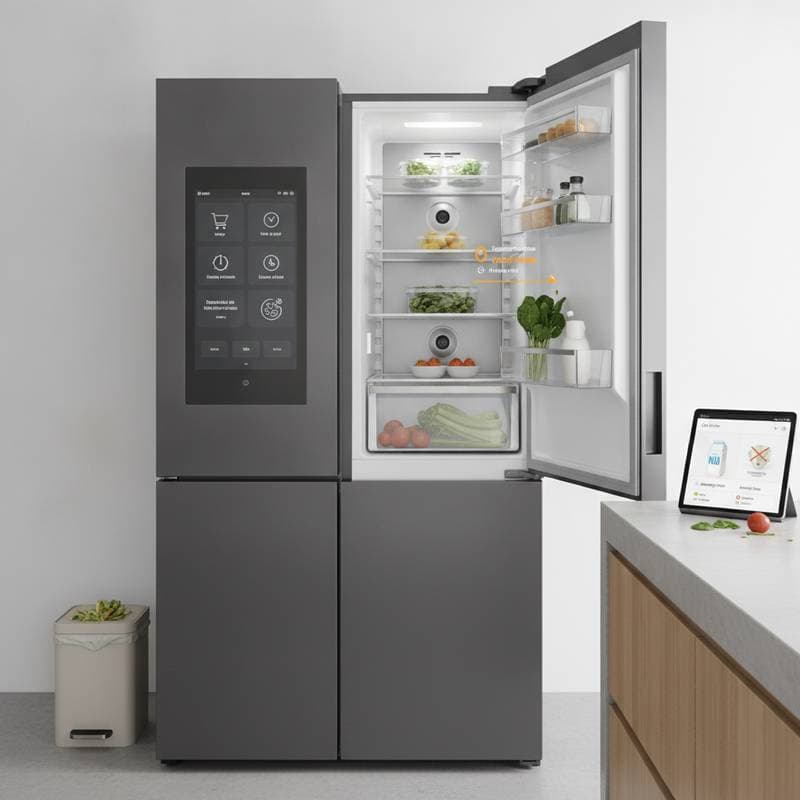
Coordinated operation lowers peak power draw. The vacuum delays charging during high oven use. Some cooking systems recognize leftover ingredients through cameras and suggest recipes that reduce food waste. The vacuum reports debris levels so cleaning focuses only on needed areas.
Next Developments
Future models may let the vacuum carry ingredients from storage to the counter. Refrigerators could already order replacements and then request a cleaning pass after delivery. These features build on existing industrial automation now moving into homes.
First Steps for Users
Link current devices through one voice platform and test a single routine that starts cleaning after cooking. Add lighting or air quality monitors once the basic link proves stable. Devices that exchange information directly create smoother daily operation than any collection of standalone gadgets.