When a Viral Recipe Becomes Dinner
Imagine watching one of those mesmerizing cooking videos online. The sizzling sounds, the perfect knife work, and the graceful stir of sauce in a pan catch your attention. You think that the dish looks incredible, yet the ingredients, timing, and mess make it far less appealing in your own kitchen. Now imagine a robotic kitchen arm moving in to follow that same recipe and prepare it with perfect precision.
This scenario is becoming reality in smart kitchens. Robotic systems blend sensors, cameras, and motors to handle the cooking process. They translate visual cues from videos into precise actions that deliver consistent results.
The New Frontier of Automated Cooking
Smart appliances already handle tasks such as brewing coffee or baking bread. Robotic cooking arms extend this capability by managing the full cooking sequence. These systems measure ingredients, stir contents, flip items, and plate meals according to chef standards. Some models interpret short-form video recipes and convert them into executable steps.
Home cooks who enjoy experimentation often face challenges with cleanup and timing. This technology supports restaurant-quality outcomes with reduced effort. It preserves creative input while automation manages repetitive actions.
How Robotic Kitchen Arms Work
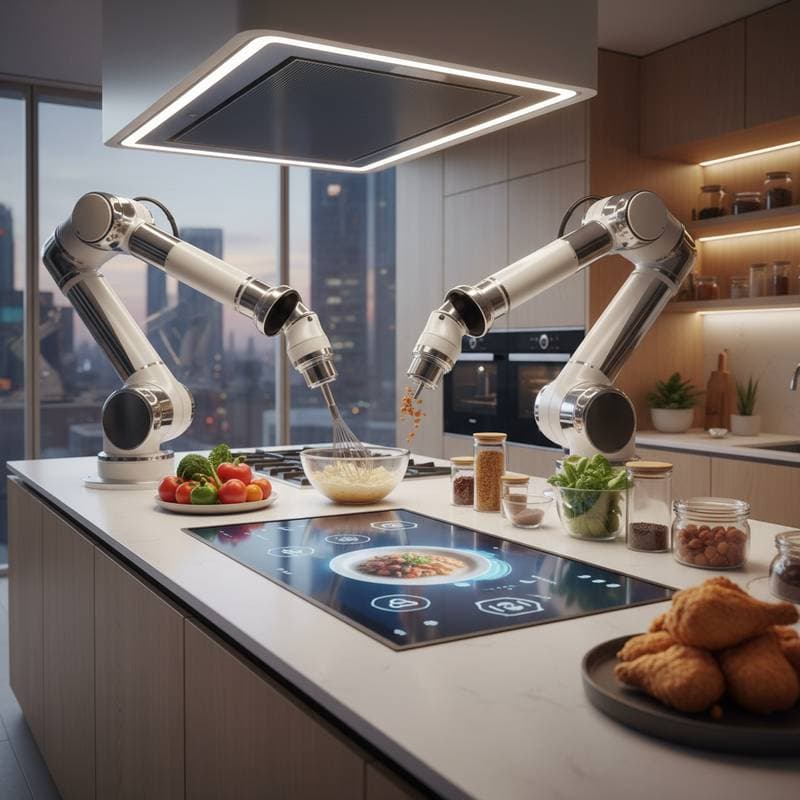
A typical system features articulated arms with heat-resistant grippers and touch sensors. These arms link to a central hub that processes recipes from video uploads or guided applications. Cameras monitor ingredient positions, and motion algorithms copy human gestures during cooking.
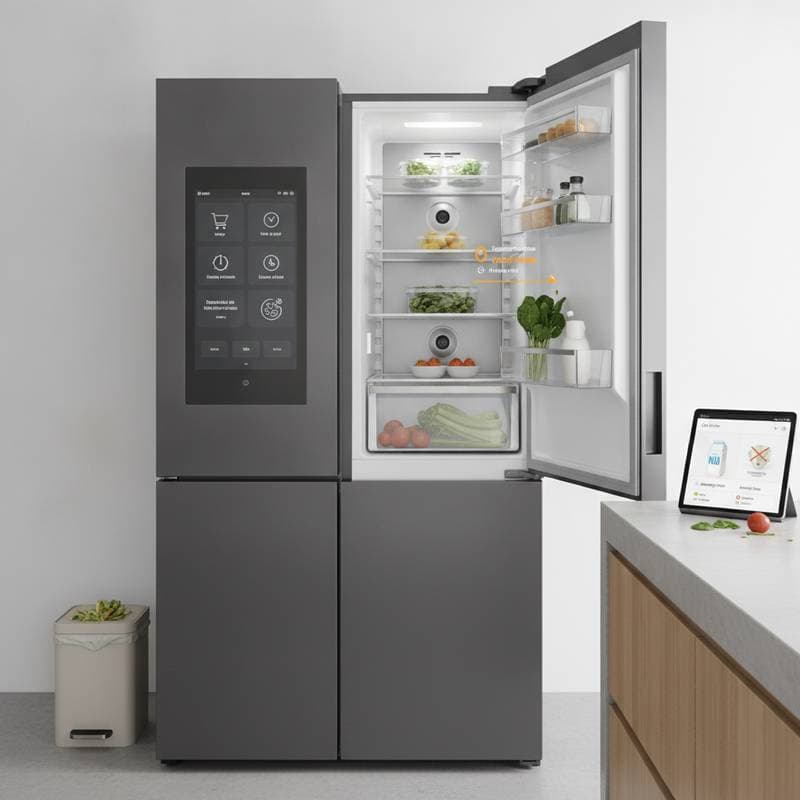
Advanced models apply machine vision to detect steps such as sauteing or folding batter. Integration with ovens, cooktops, and refrigerators creates a connected setup that oversees an entire meal. The most capable units learn from repeated use and refine temperature and timing across sessions.
Top Options for Every Budget
-
Budget Pick: CookingPal Multo. This countertop unit costs around 999 dollars and includes a chopping blade, induction cooker, and recipe app. It controls temperature and stirring speed to simulate automation in compact spaces.
-
Mid-Range Choice: Suvie 3.0 Smart Meal Station. Priced near 1200 dollars, the system manages multi-zone cooking for proteins, vegetables, and grains. It works with pre-loaded kits or app recipes as a step toward fuller automation.
-
Premium Pick: Moley Robotic Kitchen. This option reaches 300000 dollars and features dual robotic arms above a smart surface. It reproduces thousands of recipes, mimics chef techniques, and cleans the workspace afterward.
Practical Considerations Before You Invest
Full-scale robotic systems require reinforced cabinetry, dedicated power circuits, and compatible appliances. Professional installation typically spans several days. Check food-safe certifications and local standards prior to purchase.
Budget-conscious users can begin with modular upgrades. Start with a smart induction cooktop and add a robotic stirring attachment later. Maintenance involves cleaning joints, performing calibration checks, and installing software updates. Remote diagnostics help, yet repairs for premium models remain costly.
The Social Side of Robotic Cooking
These systems alter how families approach cooking together. Participants select recipes, prepare ingredients, or plate finished dishes instead of one person managing the stove. Children can engage safely and learn about food without exposure to burns or spills.
Social creators now explore direct sharing of recipe files. A viral pasta dish viewed online can soon convert to a digital file that a robotic kitchen executes exactly. Streaming a recipe moves from concept to practical option.
Making It Happen in Your Kitchen
Begin with voice assistants such as Amazon Alexa or Google Home paired with current appliances. Add tools like the Instant Pot Duo Crisp or Anova Precision Cooker to automate timing and temperature. Progress to compact units such as the Multo or Suvie once comfortable.
Homeowners planning remodels should consult certified smart kitchen installers. These professionals evaluate wiring, ventilation, and layout for seamless integration. Compare estimates on trusted marketplaces before final decisions.
Robotic kitchen arms remove routine stress while preserving the enjoyment of cooking. They support consistent weeknight meals and faithful recreation of online recipes. The future kitchen assists users in cooking with greater precision and less effort.