AI Catches Appliance Failures Before They Happen
Understanding Predictive Maintenance for Home Appliances
Predictive maintenance represents a shift in how households manage appliances. Traditional approaches rely on reactive repairs after failures occur, often leading to unexpected expenses and disruptions. In contrast, predictive maintenance uses advanced technology to forecast potential issues before they escalate.
This method integrates sensors and data analytics into everyday devices such as refrigerators, washing machines, and HVAC systems. By monitoring performance metrics in real time, the system identifies patterns that signal impending problems. Homeowners receive timely notifications, allowing for preventive actions that extend appliance life and reduce downtime.
The Role of AI in Detecting Early Warning Signs
Artificial intelligence serves as the core engine for predictive maintenance. AI algorithms process vast amounts of data from embedded sensors, which track variables like vibration, temperature, and energy consumption. These inputs reveal subtle anomalies that human observation might overlook.
For instance, a slight increase in motor vibration within a dishwasher could indicate bearing wear. The AI correlates this data with historical patterns and manufacturer benchmarks to generate accurate predictions. Over time, machine learning refines these models, improving precision and reducing false alerts.
Integration with smart home ecosystems enhances this capability. Devices connect through platforms like Wi-Fi or Zigbee, enabling centralized monitoring via apps on smartphones or tablets. Users gain access to dashboards that display health status, predicted failure timelines, and recommended maintenance schedules.
Key Benefits of AI-Driven Appliance Monitoring
Implementing AI predictive maintenance delivers tangible advantages for homeowners. Financial savings emerge as a primary benefit, with early detection preventing major repairs that could cost hundreds of dollars. Studies indicate that proactive strategies can cut maintenance expenses by up to 30 percent.
Convenience plays an equally important role. Instead of scheduling routine inspections, owners address issues on their terms, minimizing interference with daily routines. This approach also promotes energy efficiency, as optimized appliances consume less power and contribute to lower utility bills.
Safety improvements round out the value proposition. Faulty appliances pose risks such as electrical hazards or gas leaks in ovens and dryers. AI alerts enable swift interventions, safeguarding families and property from potential accidents.
- Cost Reduction: Avoid emergency service calls by addressing problems proactively.
- Longevity Boost: Extend appliance lifespan through timely upkeep.
- Efficiency Gains: Optimize performance to save on energy costs.
- Peace of Mind: Receive notifications that keep surprises at bay.
Practical Examples Across Common Appliances
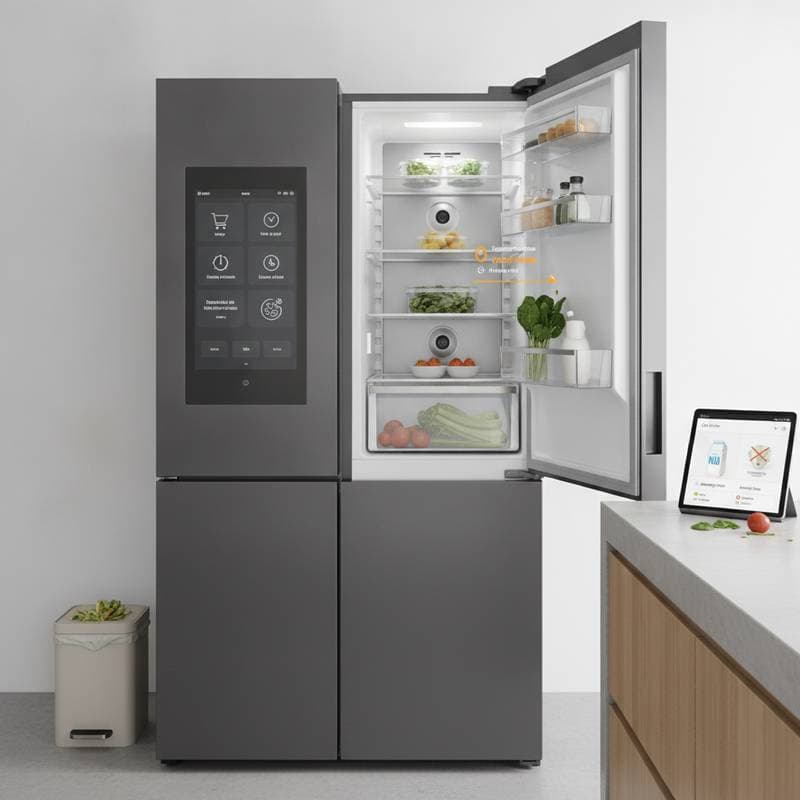
Consider a smart refrigerator equipped with AI sensors. The system monitors compressor cycles and door seal integrity. If it detects irregular cooling patterns, an alert prompts cleaning the condenser coils or replacing seals, averting food spoilage and compressor failure.
Washing machines benefit similarly. Vibration sensors track drum balance and motor strain during cycles. AI identifies imbalances from uneven loads or worn suspension components, suggesting adjustments or part replacements before leaks or breakdowns occur.
HVAC units represent another critical application. Temperature and airflow sensors feed data to AI, which predicts filter clogs or refrigerant issues. Homeowners can then schedule professional servicing during off-peak seasons, ensuring comfortable indoor climates year-round.
Even older appliances can join this ecosystem through retrofit kits. Affordable sensor add-ons attach to existing models, connecting them to AI platforms. This accessibility democratizes the technology, making it viable for budgets of all sizes.
Steps to Implement AI Predictive Maintenance
Begin by assessing current appliances for smart compatibility. Review manufacturer specifications to identify models with built-in sensors or upgrade options. For non-smart devices, explore third-party retrofit solutions that install easily without voiding warranties.
Next, select a reliable AI platform. Choose systems from established providers that offer user-friendly apps and robust data security. Ensure compatibility with your home network to facilitate seamless integration.
- Inventory appliances and note their ages and usage patterns.
- Purchase sensors or upgrade kits as needed.
- Install and configure the AI monitoring software.
- Set up notification preferences for alerts via email or app.
- Monitor initial reports and adjust settings for optimal accuracy.
Regular software updates keep the system current with new algorithms. Engage with community forums or manufacturer support for troubleshooting, ensuring long-term effectiveness.
Looking Ahead to Smarter Home Ecosystems
The evolution of AI in appliances points toward fully autonomous maintenance. Future integrations may include robotic repairs or automated part ordering, further simplifying home management. As standards like Matter unify smart device protocols, interoperability will expand, creating cohesive networks.
Homeowners who adopt these technologies position themselves at the forefront of innovation. The result is not only reliable appliances but also homes that adapt intelligently to needs. This proactive stance transforms maintenance from a chore into a seamless background process.
Realize Savings and Reliability in Your Connected Home
AI predictive maintenance empowers users to maintain control over their living spaces. By leveraging data-driven insights, households achieve greater efficiency and reduced stress. Embrace this technology to ensure appliances serve reliably, supporting lifestyles with minimal interruptions.