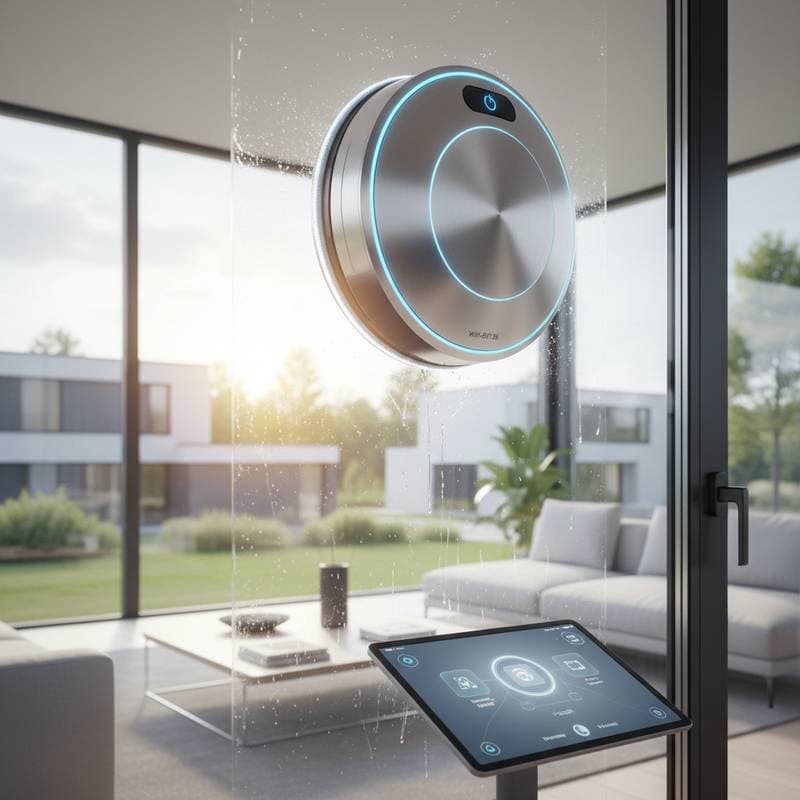
Why Robotic Window Cleaners Outperform Ladders in Safety and Efficiency
Smart homes evolve beyond basic controls like lights and thermostats. Automation now addresses overlooked chores such as window cleaning. Robotic window cleaners emerge as practical solutions that combine safety, precision, and ease. Homeowners gain tools that simplify upkeep while enhancing daily living.
Challenges of Traditional Window Cleaning
Window cleaning demands significant time and effort. Large panes, skylights, and high windows often require ladders, which pose fall risks. In multi-story homes or apartments, access proves difficult without hiring professionals. Manual methods lead to streaks and uneven coverage despite repeated attempts.
Robotic cleaners resolve these issues through automation. They employ suction or magnetic mechanisms to adhere to glass. Devices move systematically, scrubbing with microfiber pads for streak-free results. This approach eliminates physical strain and hazards associated with climbing.
Advanced Navigation for Thorough Cleaning
Contemporary models incorporate sensors to scan and navigate surfaces. Robots detect edges and obstacles, such as handles or stickers, to prevent mishaps. They follow predefined paths, covering vertical and horizontal areas with gyroscopic stability.
Suction-based units maintain firm attachment, while magnetic pairs secure both sides of the glass. For instance, Ecovacs models utilize algorithms to optimize routes and notify users upon completion. These features ensure comprehensive cleaning without constant supervision.
Core Advantages of Robotic Cleaners
Safety stands as the primary benefit, as devices operate independently without ladders. Consistent paths yield uniform results across expansive surfaces like sunrooms or high-rise windows. Homeowners reclaim time for priorities such as family or professional commitments.
Clean windows boost natural light, which lowers energy use from artificial sources. This efficiency supports brighter interiors and reduced utility costs. Overall, these tools align with preferences for automated household management.
Seamless Integration into Smart Homes
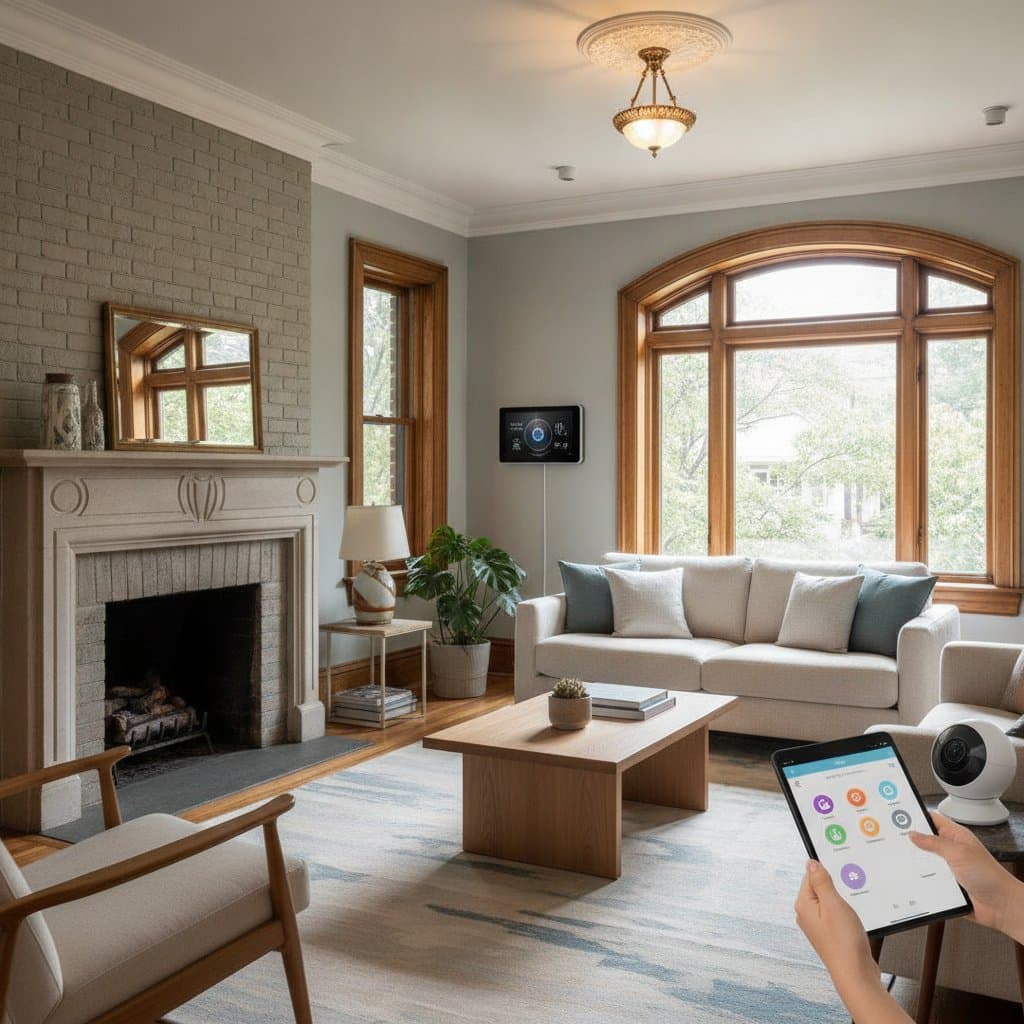
Many cleaners connect via apps for remote monitoring and scheduling. Voice assistants enable commands to initiate or halt sessions. Integration with hubs allows coordination, such as triggering cleaning after curtain adjustments.
Wi-Fi connectivity fosters interoperability with existing systems. Users set routines that automate maintenance alongside lighting or security. This connectivity minimizes manual oversight and promotes scheduled upkeep.
Key Factors in Selecting a Model
Assess compatibility with window types, including framed, frameless, or mirrored surfaces. Evaluate suction strength for varying glass thicknesses. Battery duration and safety cords provide reliability during operation.
Opt for washable pads and accessible replacements. Prioritize units with anti-fall sensors for added security. Mid-range options often match professional outcomes, offsetting costs compared to service fees.
- Measure window dimensions to confirm fit.
- Review battery life for session length.
- Check app features for customization.
Real-World Operation and Benefits
Activation involves simple setup and app pairing. The device attaches securely and proceeds with quiet, methodical movements. Users observe progress through notifications or direct viewing.
Routine use maintains cleaner windows longer, reducing dust buildup. In urban or coastal areas, frequent grime demands less intensive intervention. Monthly time savings accumulate, easing overall home care.
Innovations Driving Adoption
Brands enhance designs with ultrasonic sprays for deeper cleaning. Quieter motors and compact forms improve usability around edges. Voice integration expands hands-free control.
As costs decrease, accessibility grows. Like floor vacuums, these cleaners shift from optional to essential through proven reliability.
Broader Impacts on Health and Sustainability
Increased sunlight from clean glass elevates mood and productivity. Natural light exposure aids sleep patterns without extra effort. Automation sustains these advantages consistently.
Devices minimize chemical use with reusable pads and low-fluid methods. This reduces waste and supports eco-conscious practices. Homeowners achieve cleaner environments with less environmental footprint.
Embracing Automated Home Upkeep
Robotic window cleaners advance self-maintaining homes. They extend automation to essential tasks once reliant on labor. Integration promises effortless clarity for living spaces.
Future developments will refine capabilities and affordability. These assistants transform routine maintenance into seamless routines, much like automated security or climate control.