Smart Mirrors Enable Home Skin Cancer Detection
Smart homes extend beyond basic automation to address personal health needs. Technologies that manage lighting and temperature now support skin health monitoring. Bathroom mirrors evolve into diagnostic tools that identify early signs of skin cancer through routine use.
The Rise of Health-Conscious Smart Homes
Smart home devices initially focused on comfort, such as automated lights and adaptive thermostats. Current developments emphasize wellness, including air purifiers and sleep analyzers. Homeowners prioritize these features, according to recent surveys.
Bathroom mirrors occupy a key position in daily habits. Individuals use them for grooming and initial health checks. Embedding cameras and sensors turns this surface into a seamless health tool, eliminating the need for additional devices.
How Smart Mirrors Detect Skin Cancer
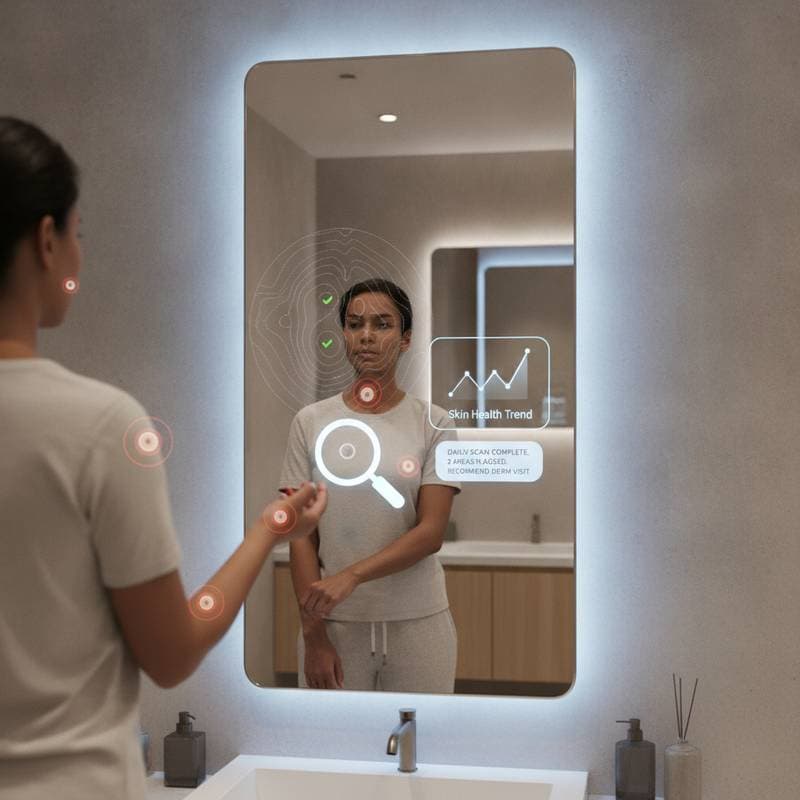
These mirrors employ high-resolution cameras and AI algorithms for skin analysis. During daily glances, the system records images and tracks variations in moles or pigmentation. Software identifies anomalies like irregular shapes or color shifts.
Upon detection, the mirror notifies users and assigns risk levels. It recommends consulting a dermatologist if necessary. This method replicates professional exams but integrates into everyday routines without appointments.
Early identification improves treatment outcomes for skin cancer. Many cases progress unnoticed due to overlooked symptoms. Consistent monitoring by the mirror addresses this gap effectively.
Why It Matters for Everyday Health
Smart mirrors enhance accessibility to preventive care. Barriers like scheduling conflicts or expenses often delay dermatology visits. Daily scans provide ongoing vigilance without extra effort.
Families with skin condition histories benefit from routine checks. Parents track children's skin, while those with mobility issues receive convenient monitoring. The device acts as a proactive wellness aid during morning preparations.
Example: The Connected Health Mirror
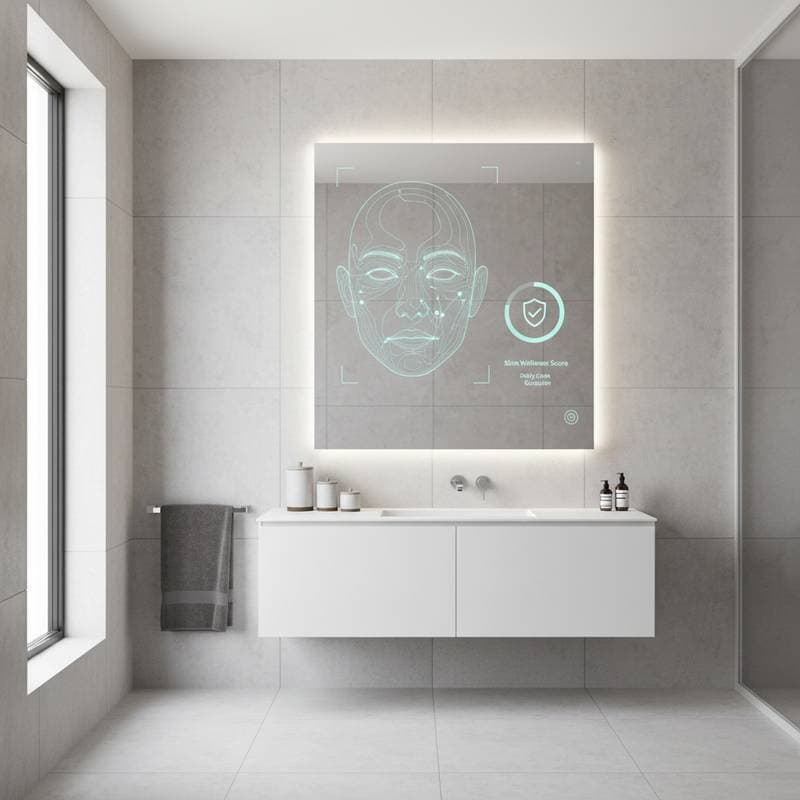
Innovators develop mirrors with multispectral imaging for subsurface detection. This approach spots changes invisible to the naked eye, offering advanced insights. Users gain detailed reports on skin status.
Certain models link to telehealth services. Detected issues trigger secure image uploads to specialists. This connection streamlines transitions from home screening to expert review.
The Role of Artificial Intelligence and Machine Learning
AI processes images against vast datasets of skin conditions across diverse tones. Algorithms differentiate benign spots from concerning ones with increasing precision. Systems update through ongoing training.
Personalization tailors detection to individual baselines. The mirror adjusts alerts based on user-specific patterns, minimizing errors. Each interaction refines its understanding of normal variations.
Overcoming Challenges of Accuracy and Privacy
Reliability remains essential for health devices. Developers partner with dermatologists to test and certify performance. Regular software updates enhance detection rates and reduce inaccuracies.
Privacy protections include on-device processing and encryption. Users control data access and sharing options. These measures build trust in sensitive health monitoring.
Beyond Skin Cancer Detection
Core technology supports additional analyses, such as hydration levels or acne progression. Mirrors suggest product adjustments based on observed improvements. This expands their utility in skincare management.
Integration with devices like smart scales creates unified health profiles. Displays show combined metrics, including sleep and activity data. Bathrooms emerge as centralized wellness centers.
Consumer Readiness and Adoption Trends
Interest in wellness tech rises among consumers. Devices that align with existing habits, like mirrors, appeal broadly. No learning curve or extra steps encourage uptake.
Tech enthusiasts lead adoption, followed by general users as costs decrease. Retail integrations signal growing availability. Market shifts position these tools as standard home features.
Expert Perspectives on the Future
Analysts forecast expansion in home diagnostics. Mirrors provide intuitive interfaces for health data. Dermatologists anticipate higher screening compliance in underserved areas.
Education ensures proper use. Professionals stress that mirrors supplement, rather than substitute, clinical visits. Combined approaches yield optimal results through early intervention.
Integrating Smart Mirrors Into Your Routine
Installation involves Wi-Fi connection and app setup. Create a skin profile for baseline imaging. Position the mirror in consistent lighting to optimize scans.
Perform daily checks under uniform conditions. Review app reports for trend insights. Sync with home systems for reminders and enhanced functionality.
Advancing Personal Wellness
Smart mirrors mark a shift in health technology integration. They convert routine reflections into vital screenings. Users gain empowerment through proactive detection.
Future enhancements promise greater precision and connectivity. Households benefit from effortless health integration. This innovation elevates daily care into informed prevention.