Smart Appliances Cut Your Bills by Talking to the Grid
Smart appliances represent a significant advancement in home energy management. These devices connect directly to the electrical grid through utility programs, allowing them to adjust operations based on real-time energy demands. This integration not only lowers household bills but also contributes to a more stable power supply for communities.
Homeowners benefit from automated adjustments that shift high-energy tasks to off-peak hours. For instance, a smart washing machine might delay its cycle until electricity rates drop. Such features promote efficiency without requiring constant user intervention.
How Smart Appliances Communicate with the Grid
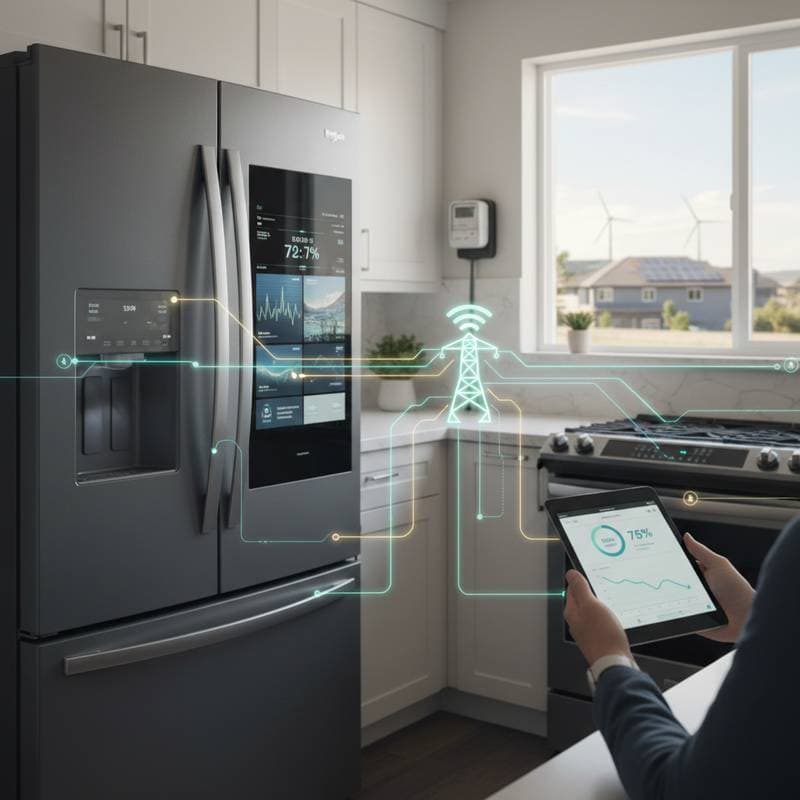
Utilities employ demand response programs to balance electricity supply and demand. Smart appliances participate by receiving signals from these programs via Wi-Fi or dedicated networks. When demand peaks, the appliances reduce or postpone usage, easing pressure on the grid.
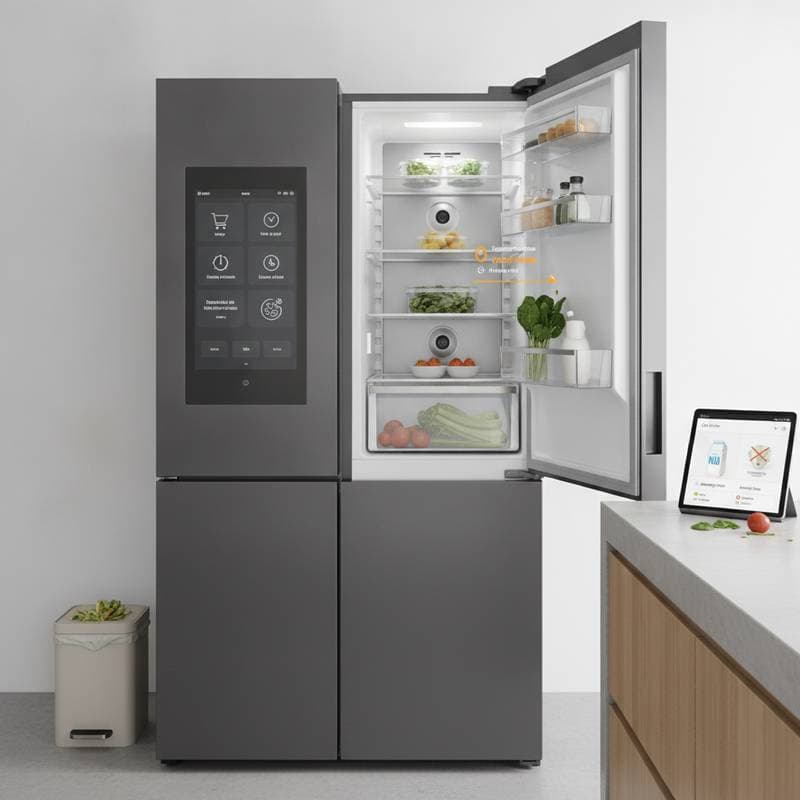
This communication relies on secure protocols that ensure privacy and reliability. Devices like refrigerators and dryers can throttle their compressors or heating elements temporarily. The result is smoother integration of renewable sources, such as solar and wind, which fluctuate with weather conditions.
Open standards facilitate widespread adoption. Initiatives like the Matter protocol enable interoperability among devices from different manufacturers. This compatibility ensures that a smart thermostat from one brand works seamlessly with an oven from another.
Real-World Examples of Energy Savings
Consider a smart thermostat that learns household patterns and aligns them with utility pricing. During high-demand periods, it raises temperatures slightly when no one is home, saving up to 10 percent on cooling costs annually. Users report noticeable reductions in monthly bills without sacrificing comfort.
Electric vehicle chargers offer another example. These devices schedule charging sessions during low-rate windows, often overnight. Integration with grid signals prevents overloading local transformers, benefiting the entire neighborhood.
Dishwashers and water heaters also play a role. A connected dishwasher might run its heating cycle when excess renewable energy is available. This approach maximizes the use of clean power while minimizing expenses.
The Role of Incentive Programs
Many utilities provide rebates for installing smart appliances. These incentives offset initial costs and encourage participation in grid-balancing efforts. Programs often include free software updates that enhance device capabilities over time.
Government initiatives further support adoption. Tax credits for energy-efficient homes cover qualifying smart devices. Local regulations may mandate utility partnerships, ensuring broad access to these technologies.
Consumers should check with their providers for available options. Enrollment in demand response typically involves a simple app setup. The long-term savings often exceed program fees, making it a worthwhile investment.
Steps to Integrate Smart Appliances in Your Home
Begin by assessing your current appliances for smart compatibility. Many older models support add-on modules that enable grid connectivity. Select devices certified for energy management standards to guarantee performance.
Next, connect your home network to utility services. Download the provider's app and link compatible devices. Test the setup during a low-stakes period to verify smooth operation.
Monitor usage through built-in dashboards. These tools display savings and grid contributions in real time. Adjust settings as needed to optimize for your lifestyle and local rates.
Benefits Beyond Bill Reduction
Adopting smart appliances fosters environmental responsibility. By supporting renewable integration, households reduce carbon footprints. Grid stability prevents blackouts, enhancing community resilience.
Health and convenience improve as well. Automated adjustments maintain ideal indoor conditions while conserving resources. Families gain peace of mind knowing their homes operate efficiently around the clock.
In summary, smart appliances transform routine energy use into a strategic advantage. They deliver cost savings, promote sustainability, and simplify modern living. Embrace this technology to power your home wisely.