Grid-Interactive Smart Appliances: Earning Rewards from the Energy Network
Homes equipped with intelligent devices are shifting from mere consumers of electricity to contributors in a balanced energy system. These appliances connect directly to the power grid, exchanging data to align operations with real-time supply and demand. This integration, known as the grid-interactive smart appliance framework, enables households to lower costs, support grid stability, and receive financial incentives.
The technology relies on secure communication standards that allow devices to receive signals from utility providers. For example, when renewable energy sources like solar or wind produce surplus power, appliances can activate to utilize it efficiently. This not only cuts individual expenses but also reduces the overall strain on infrastructure, benefiting entire communities.
Understanding Grid Communication in Daily Home Operations
Consider a typical household routine enhanced by grid connectivity. A smart thermostat detects low-demand periods and adjusts heating or cooling to run during off-peak hours, when electricity rates are lower. Similarly, an electric vehicle charger postpones full charging until excess renewable energy is available, potentially saving dozens of dollars monthly.
These adjustments occur seamlessly via protocols such as OpenADR, which utilities use to send pricing and demand signals. Homeowners gain visibility through companion apps that display savings and participation status. Studies from energy efficiency organizations indicate that such systems can reduce annual electricity bills by 10 to 20 percent, depending on local rates and device adoption.
Beyond cost savings, the system promotes energy equity. In regions with variable renewable output, grid-interactive appliances help distribute power more evenly, preventing blackouts and minimizing reliance on expensive peaker plants.
Building Virtual Power Plants with Home Devices
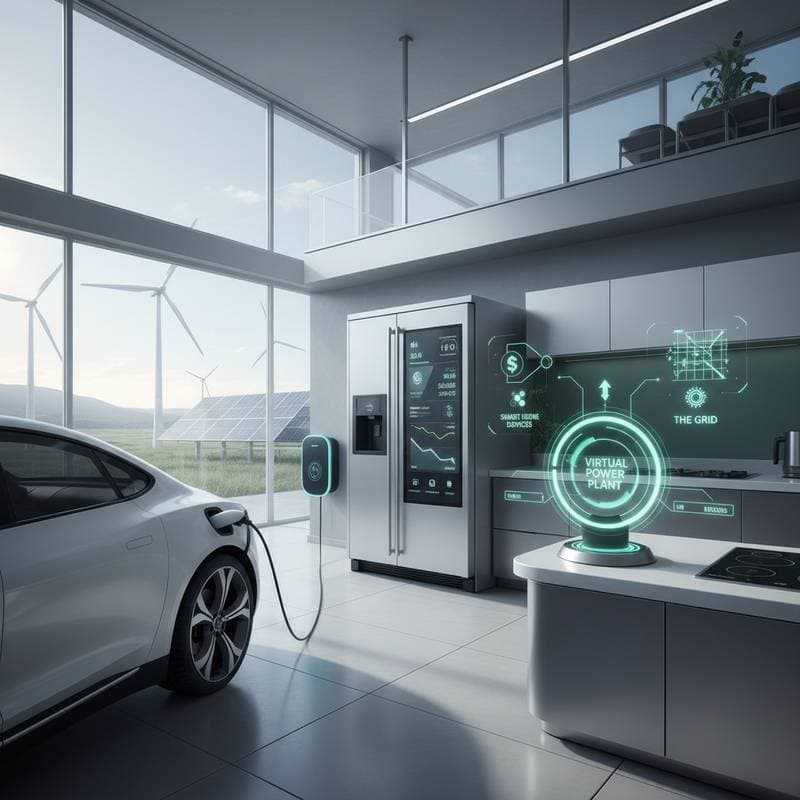
Virtual power plants aggregate distributed resources like home batteries, solar panels, and smart appliances into a unified network. Utilities coordinate these assets to mimic the output of a traditional power station, dispatching stored energy during high-demand events.
Participation often involves enrolling in utility programs that offer tiered rewards. For instance, a household might receive bill credits for allowing a smart pool pump to pause during evening peaks, freeing capacity for others. Leading providers in California and Europe have piloted such initiatives, reporting grid reliability improvements of up to 15 percent.
To join, homeowners select compatible devices and opt into programs through their utility portal. Incentives vary by location but commonly include upfront rebates for equipment upgrades and ongoing payments based on energy shifted or stored.
Key Appliances Equipped for Grid Interaction
Several everyday devices now feature built-in grid responsiveness. Smart washing machines, for example, schedule cycles based on time-of-use rates, completing loads when power is cheapest and cleanest.
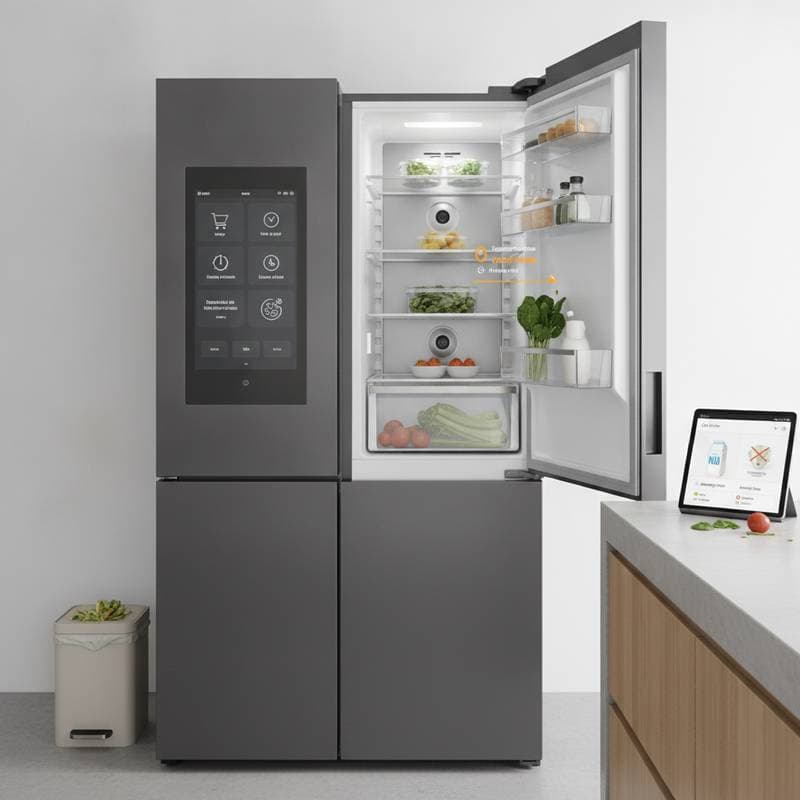
Refrigerators with advanced controls optimize compressor activity to avoid peak times, while maintaining food safety. Electric water heaters, which account for a significant portion of home energy use, can preheat using forecasted low-cost periods and insulate to retain warmth longer.
Integration across brands is facilitated by standards like the Matter protocol, ensuring a dishwasher from one manufacturer works alongside a thermostat from another. Utilities often provide free firmware updates to enable these features, making adoption straightforward.
- Assess your current appliances for grid compatibility using manufacturer apps.
- Contact your utility to explore available demand response programs.
- Start with high-impact devices like water heaters or EV chargers for quickest returns.
Financial and Environmental Benefits for Households
The ultimate reward is achieving net energy credits, where exported or shifted power offsets bills entirely. A home with solar panels and a battery system, paired with interactive appliances, can sell surplus during high-price windows, turning utility statements into gains.
Environmentally, this setup accelerates the transition to renewables. By prioritizing green energy for appliance operation, households cut carbon emissions equivalent to planting hundreds of trees annually. Grid stability also decreases the need for fossil fuel backups, aligning personal finances with planetary health.
Early adopters report additional perks, such as priority access to renewable energy blocks and community recognition in sustainability rankings.
Steps to Integrate Grid-Interactive Appliances Today
Begin by evaluating your home's energy profile through a utility audit, which identifies prime devices for upgrades. Invest in certified models from reputable brands, focusing on those with proven VPP integration.
Monitor progress with dashboards that track savings and contributions. As more homes connect, the network effect amplifies benefits, creating resilient local grids.
This evolution positions households as partners in energy management. By enabling appliances to engage with the grid, you secure lower costs, earn tangible rewards, and contribute to a sustainable future.